

 The Belonging Blueprint: Data-Driven Experiences to Support Mental Wellness for the Next Generation of Renters
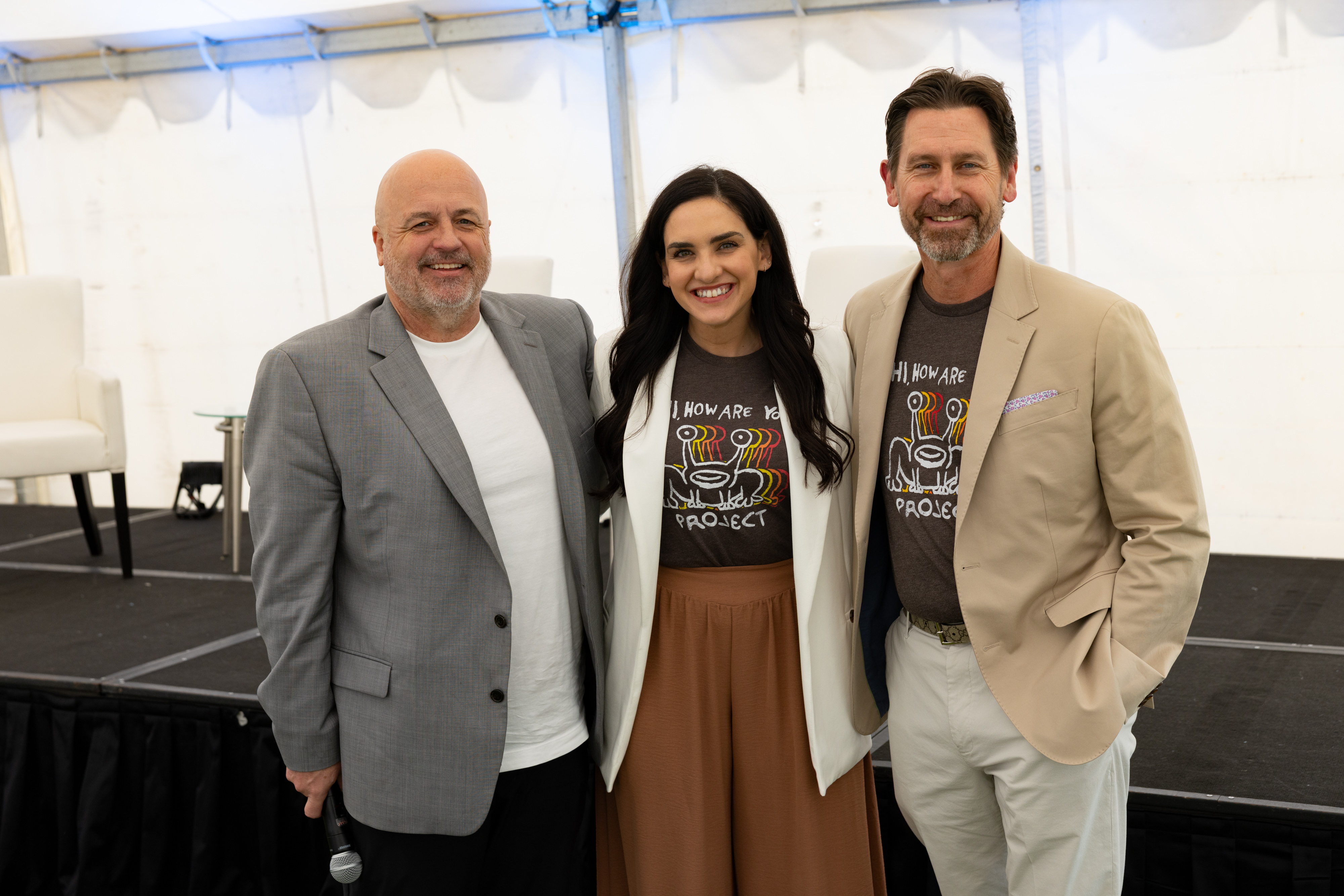
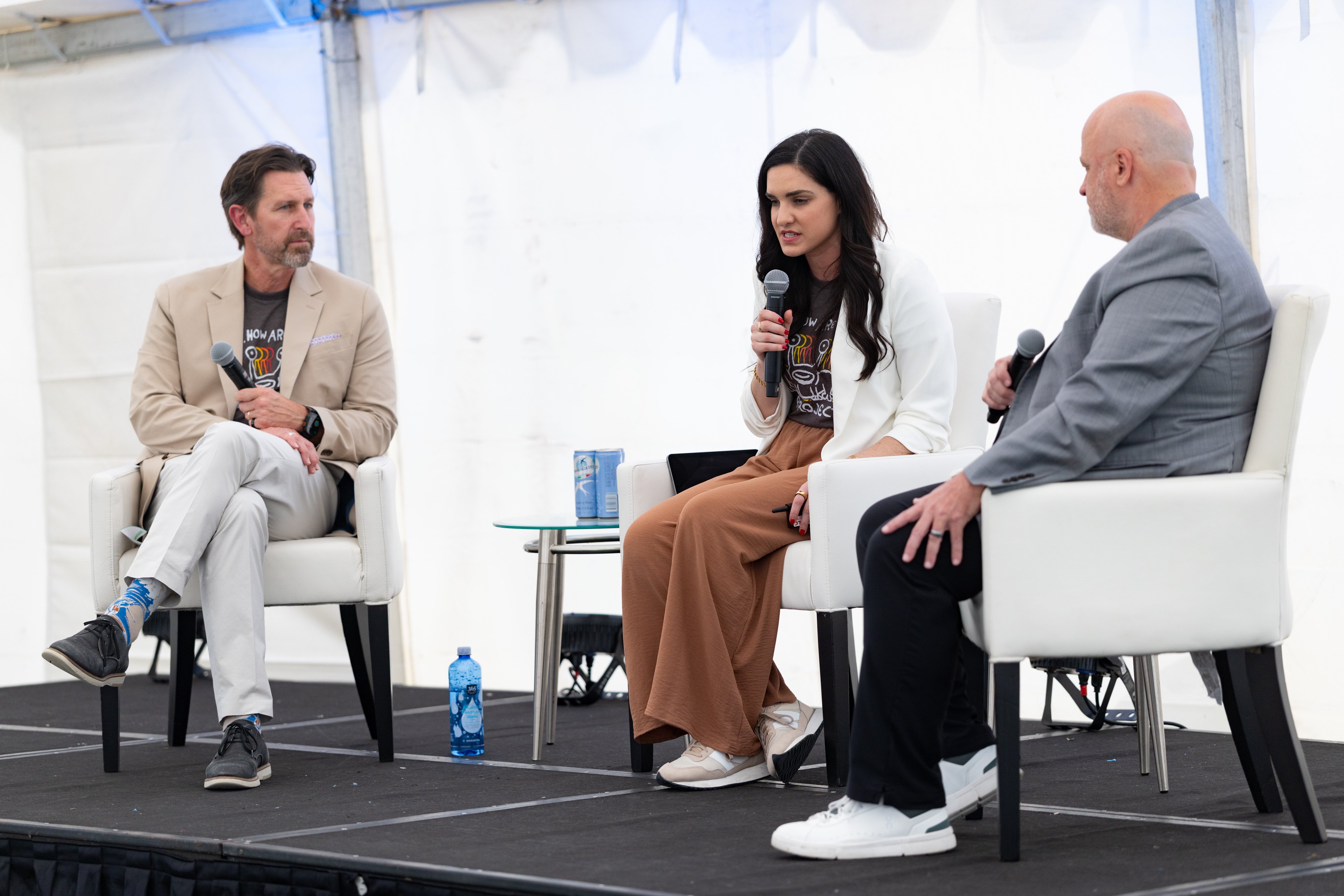
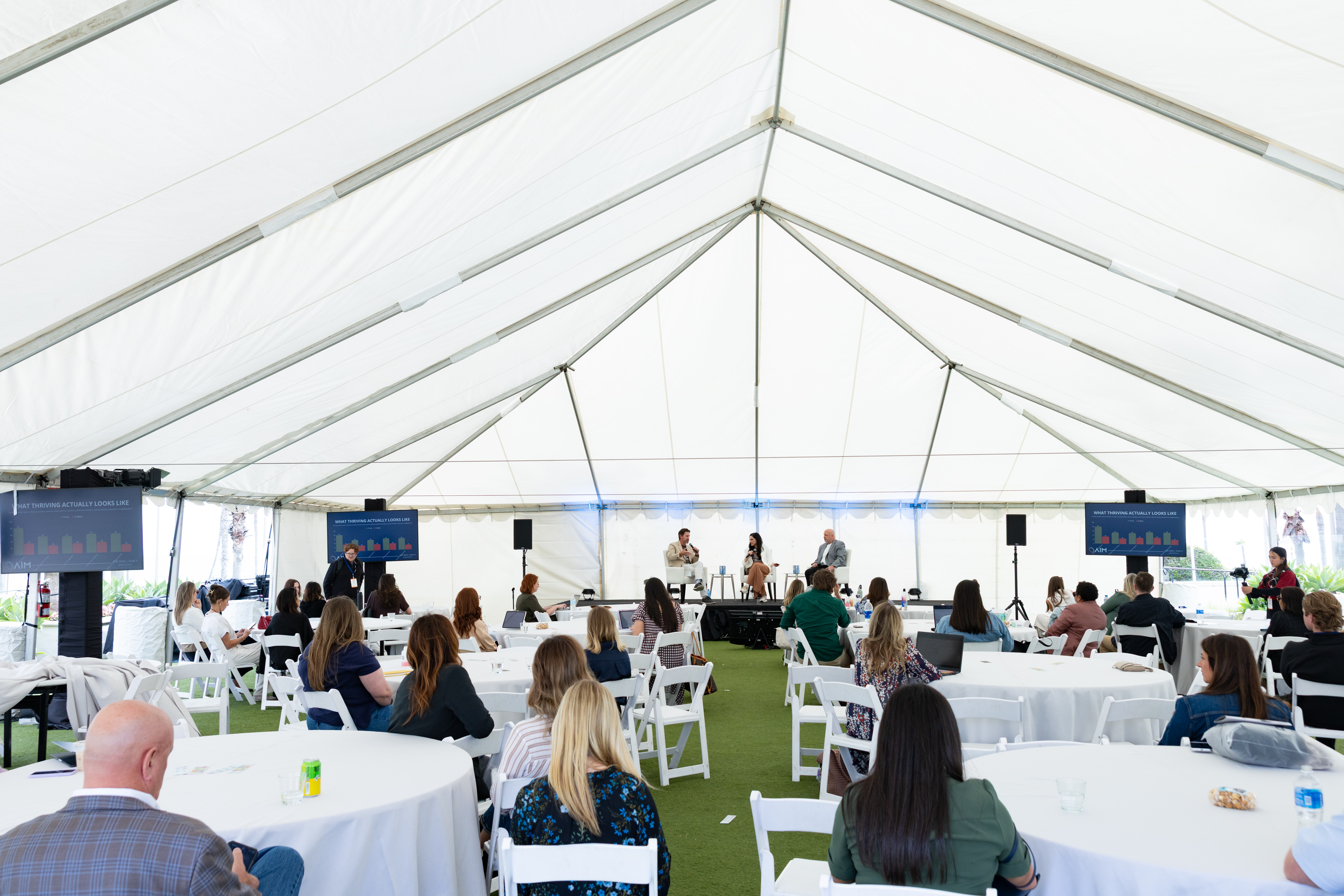
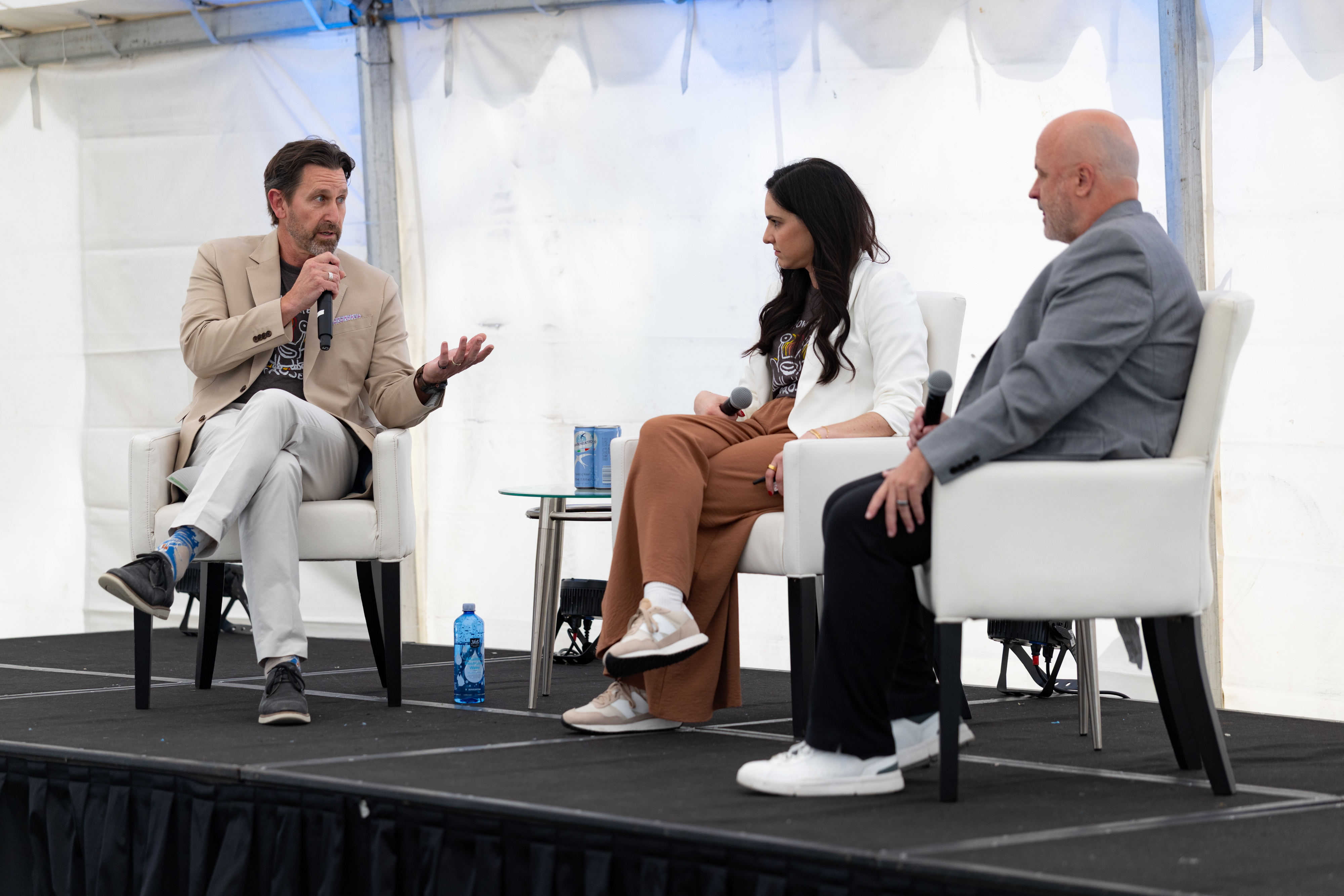
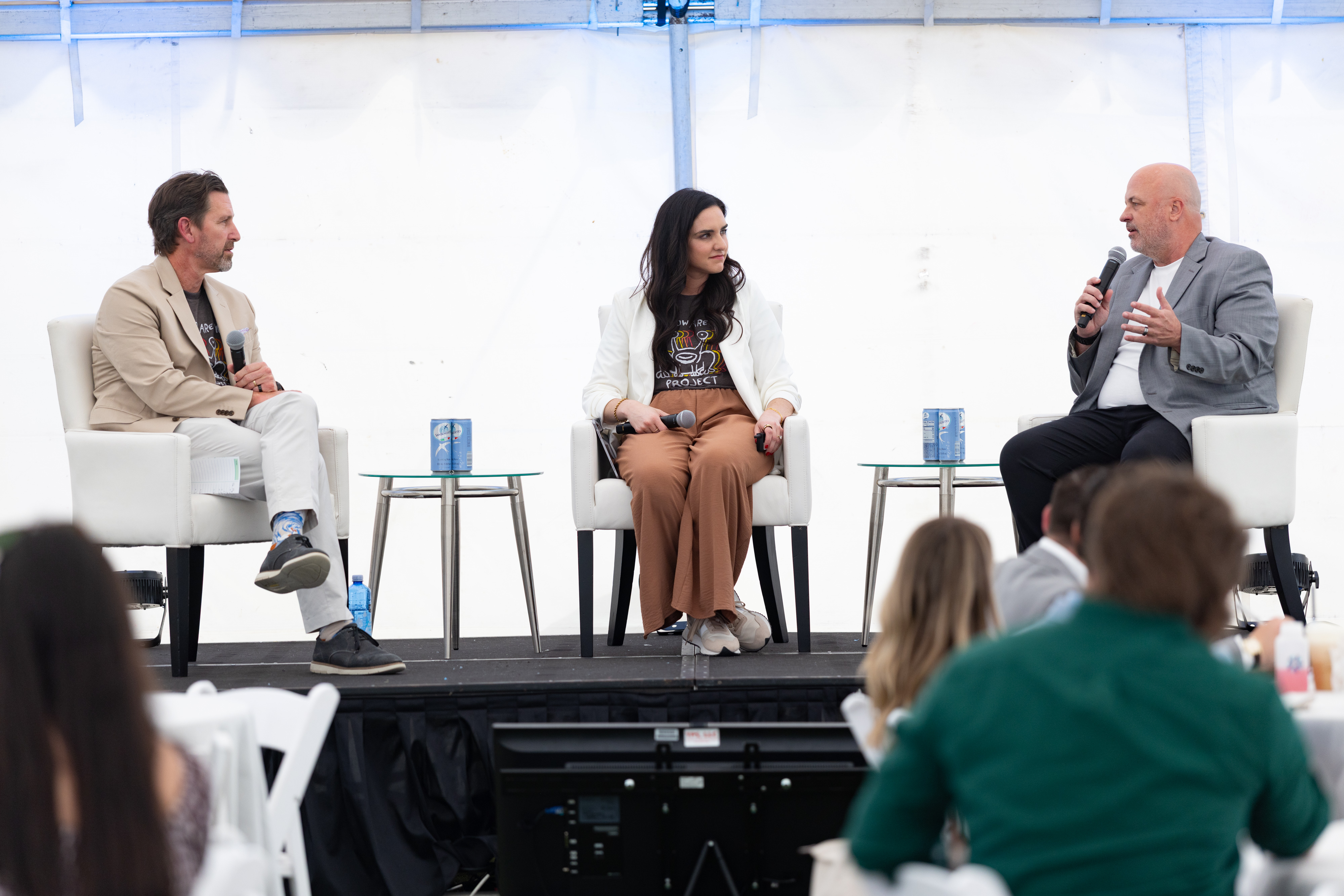
Kadi, Peter, and Andrew opened the session by addressing loneliness, mental health, and suicide through both industry data and deeply personal experiences. Their central challenge to multifamily was to recognize the power—and responsibility—that comes with operating the places people call home.
Student housing provides an early look at the needs of the next generation of conventional renters and employees. Research shared during the session found that 93% of surveyed students consider mental health important, yet 44% said fear or judgment discourages them from seeking help. While 77% reported access to social opportunities, 41% were unsure whether mental health support existed where they lived.
The strongest theme was connection. Socialization with friends and family was identified as a leading factor associated with thriving students. Other positive habits included sleep, exercise, time outdoors, creativity, learning, mindfulness, and gratitude.
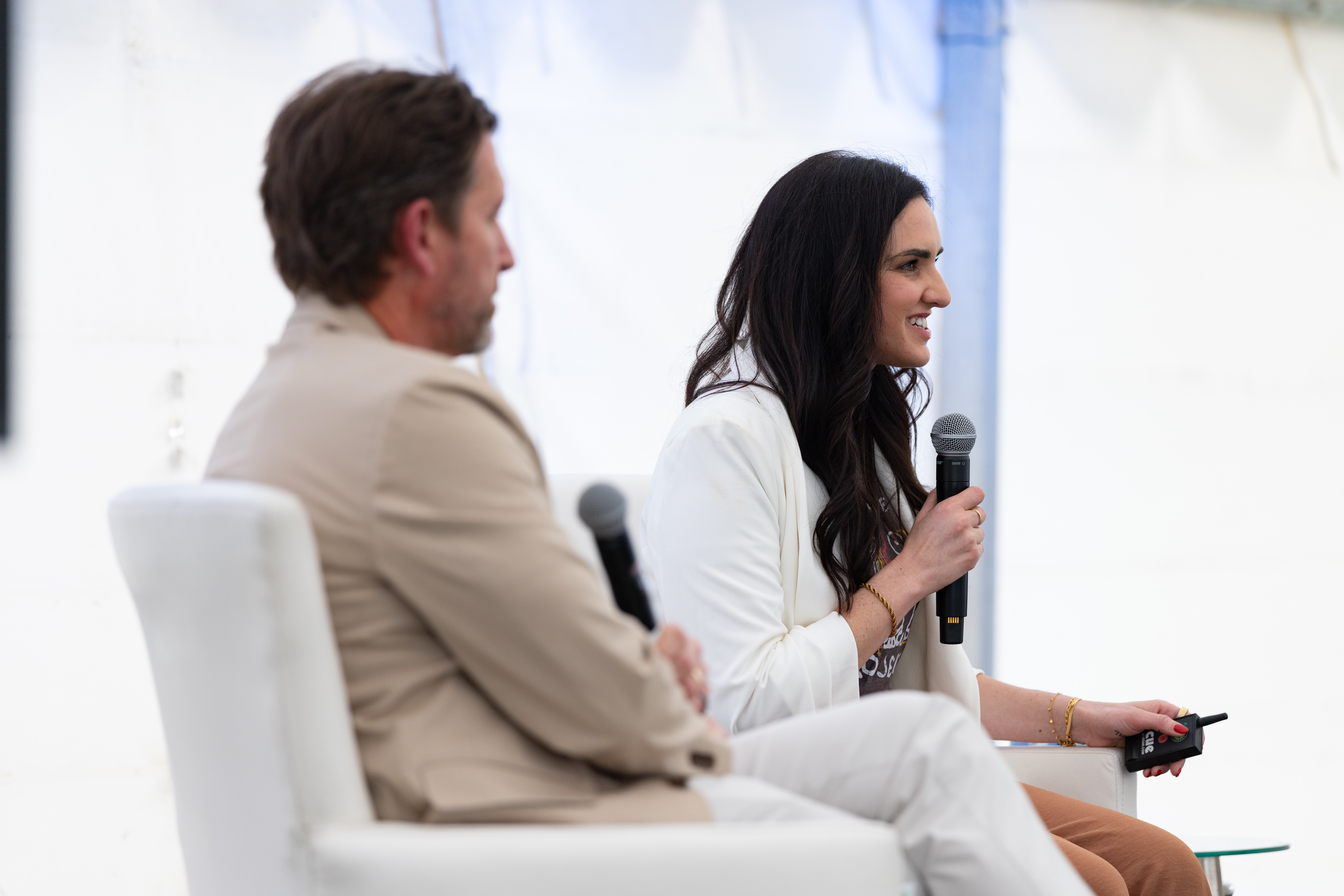

Importantly, community can also affect property performance. The panel cited research showing residents who reported having no friends at their property renewed 29% of the time, compared with 47% among residents reporting seven or more friends. That connection potentially translates into lower turnover costs, stronger retention, improved NOI, and greater asset value.
The solution doesn't necessarily require expensive programming. Walk clubs, gratitude walks, creative activities, book clubs, “give or take” walls, and intentional resident-to-resident interactions can create opportunities for connection at little cost. The panel emphasized designing events around residents connecting with one another, rather than simply interacting with property staff.
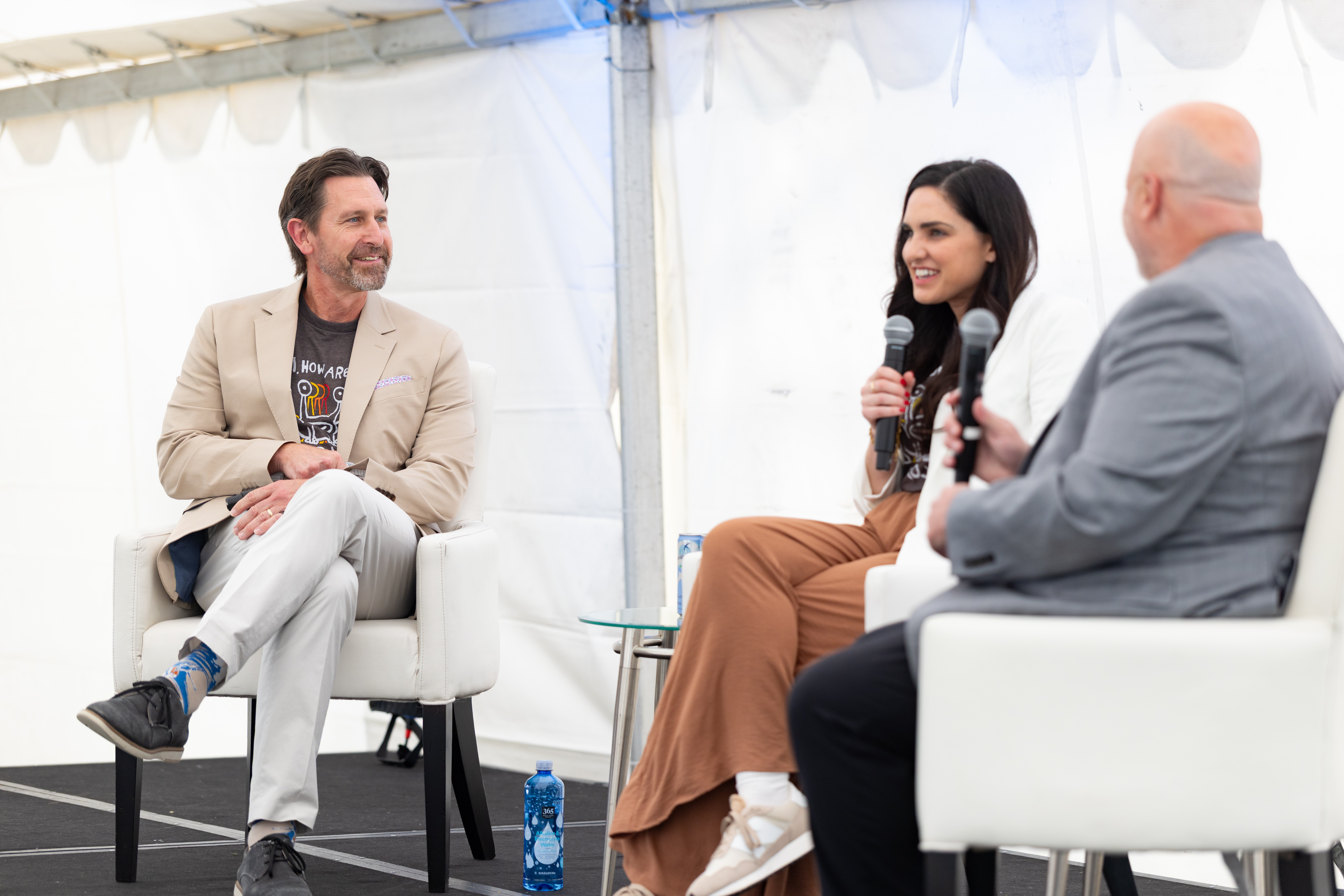
That same philosophy applies internally. Healthy, engaged employees are better equipped to create healthy communities. But onsite teams should not become mental health counselors; operators should provide clear pathways to qualified resources and experts when residents need professional help.
Key Takeaways
- Belonging is part of the resident experience. Housing creates an opportunity to facilitate meaningful human connection.
- Learn from student housing. Today's students are tomorrow's conventional renters and employees.
- Design for resident-to-resident connection. Successful events should help residents form relationships with each other.
- Community can support retention. Stronger social connections may translate into higher renewals and better property economics.
- Start with simple programming. Walks, creativity, gratitude, learning, and recurring gatherings can be inexpensive and effective.
- Support the people supporting residents. Give onsite teams training and resources—but clear boundaries and pathways to professionals when expert help is needed.
Here is the PowerPoint:
Interested in learning more? Check out the other blogs highlighting sessions from AIM 2026:
.gif)