



 Behind the Curtain: How Sharing Anonymized Insights Makes Everyone Smarter
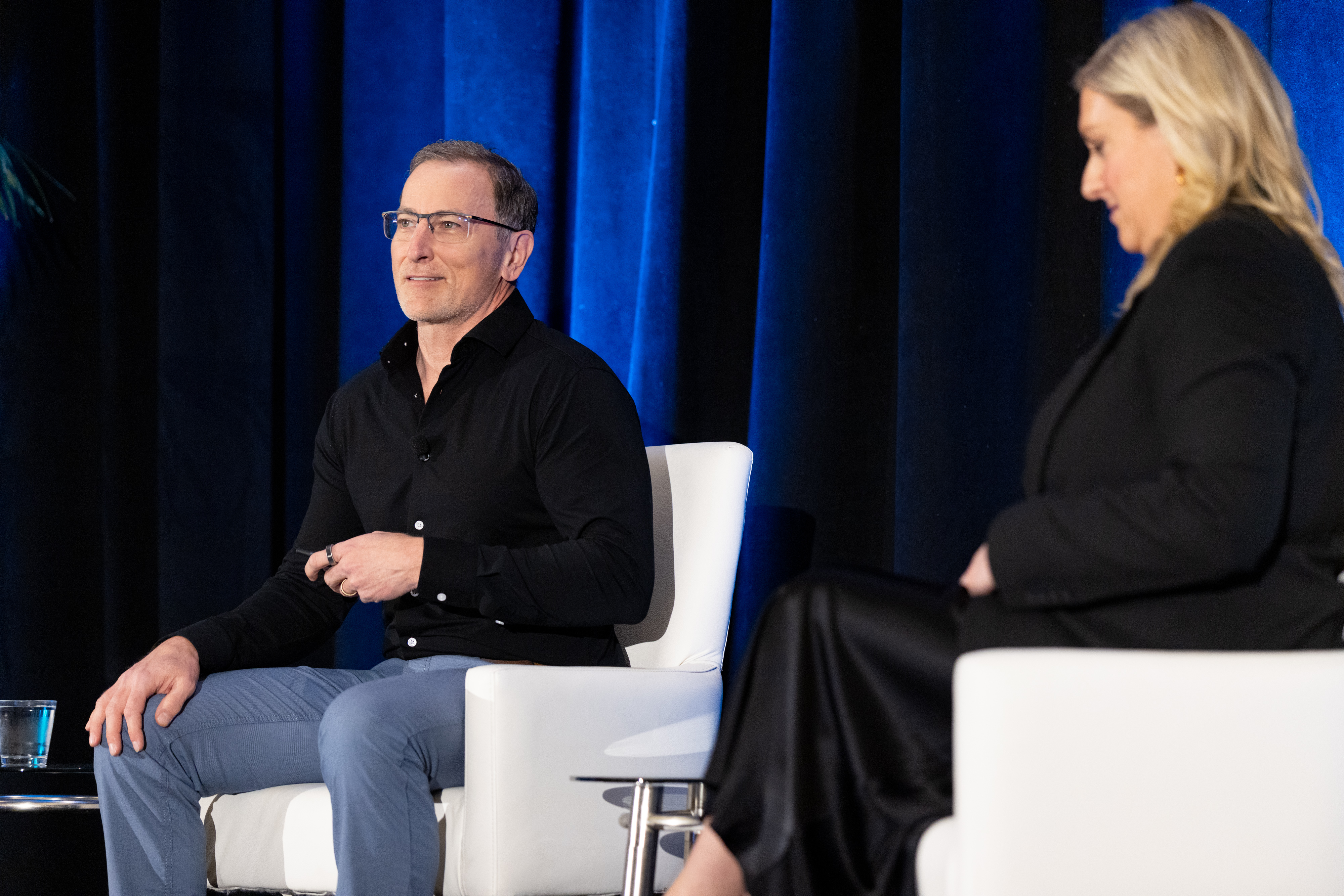
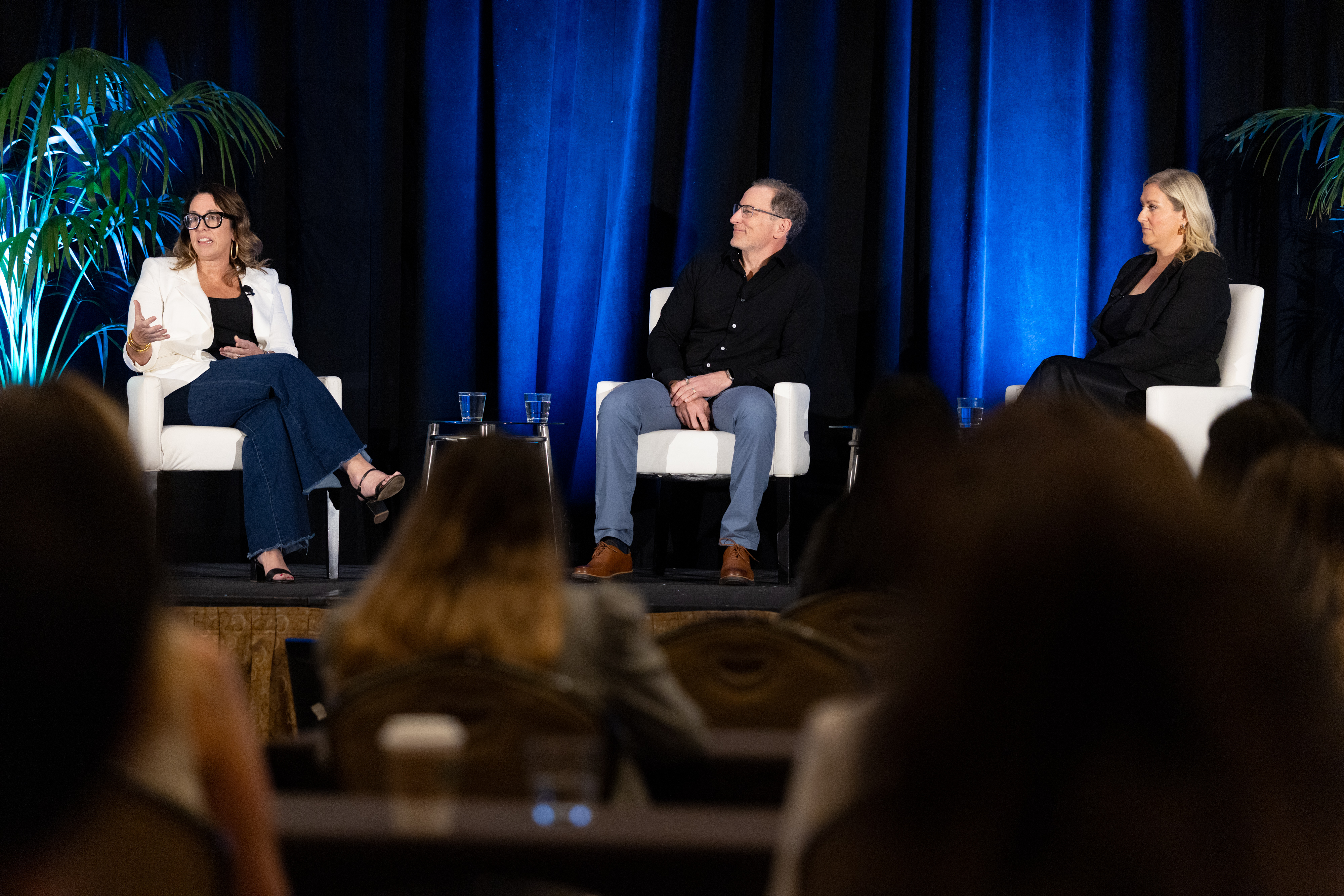
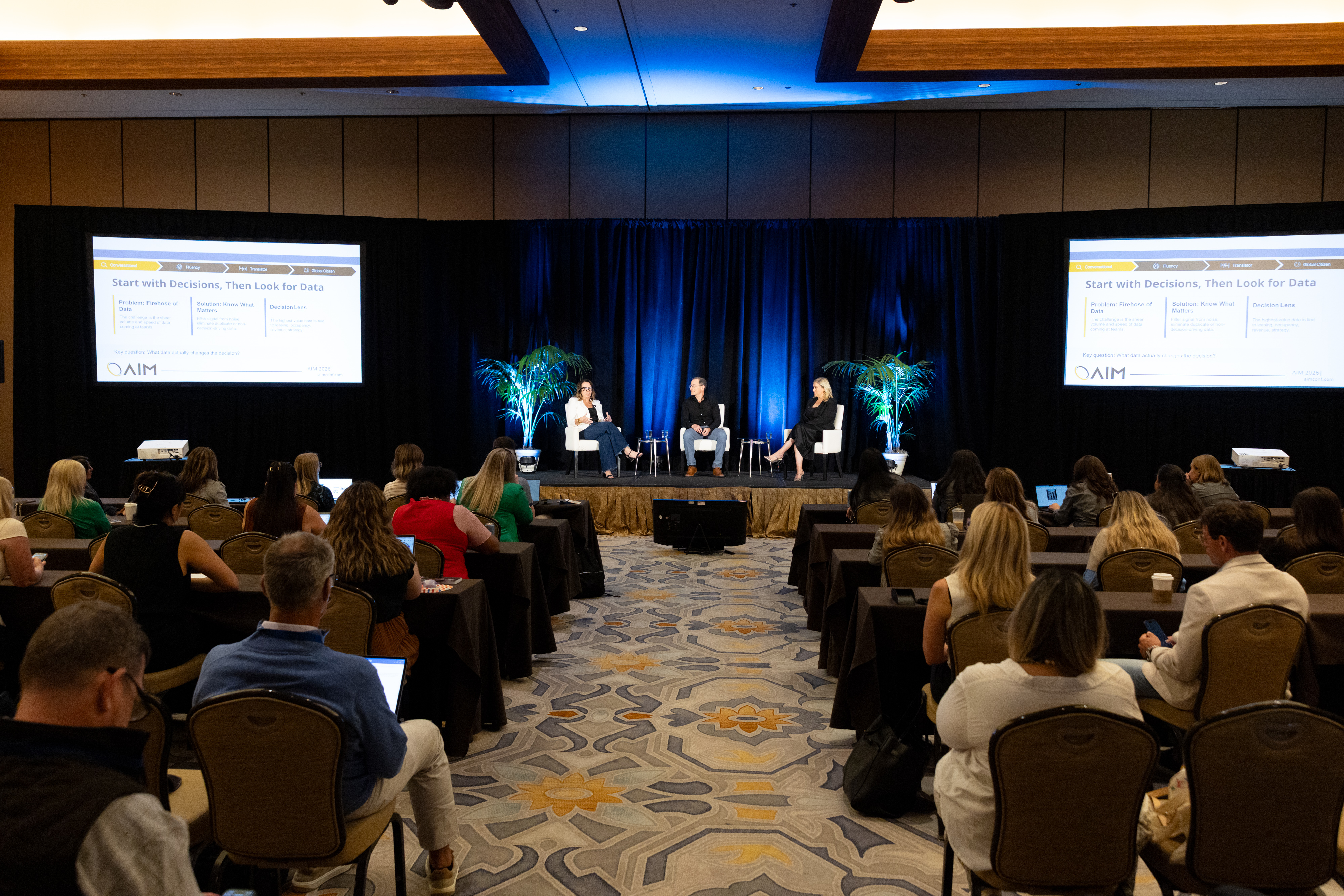
Moderated by Reid Wicoff, co-founder and CEO of Digible, the discussion featured Lindsay Jacobs, SVP of Branding and Marketing at Fairfield, and Leslie Mathis, Director of Asset Management at Woodfield Development. Their challenge was not simply collecting more data, but becoming fluent enough to translate it into actionable strategy across marketing, operations, and asset management.
The first step is determining the “so what?” behind the data. Rather than reporting every available metric, marketers should identify KPIs that matter across departments and connect marketing performance to the asset's larger objectives. If ownership is focused on NOI, marketing needs to demonstrate how its investments influence traffic, leases, occupancy, revenue, and ultimately NOI.
Mathis challenged marketers to recognize the strategic influence they have on an asset. Marketing shouldn't wait for operations or asset management to ask for ideas. When a property underperforms, marketers should proactively use data to identify opportunities and bring recommendations to the table. But those recommendations need to include a business case—not simply a request for additional budget.

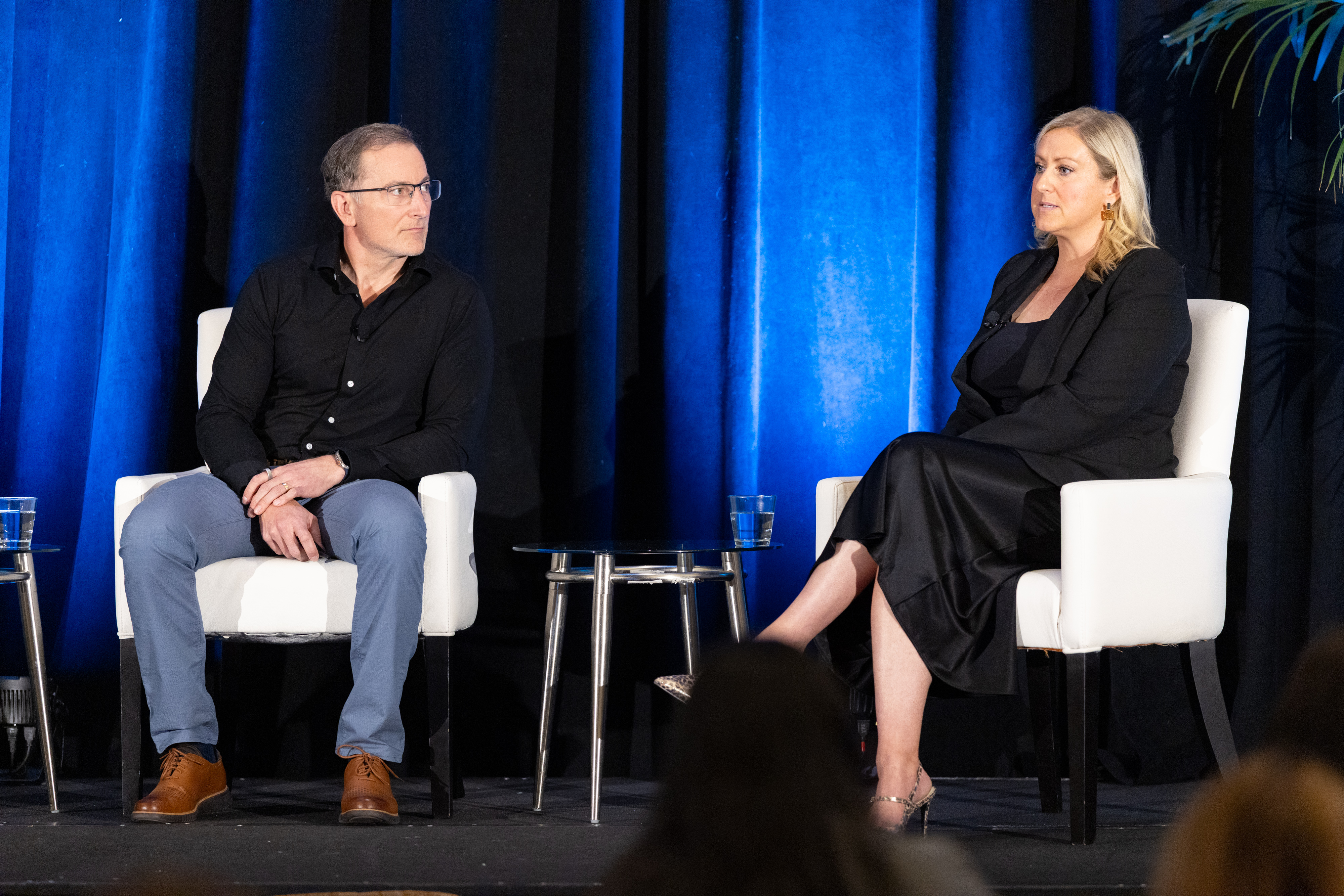
That requires a shared language. Marketing must understand operational and financial metrics, while operators and asset managers need education around marketing KPIs. The panel cautioned against simply emailing reports without interpretation; data only becomes valuable when someone explains what changed, why it matters, and what should happen next.
Another challenge is ownership and access. Marketing may have deep visibility into campaign data while operations controls pricing and PMS information. Without transparency across those systems, neither side sees the complete picture needed to make asset-level decisions.
Finally, benchmarks should be used carefully. Portfolio averages provide direction, but every property operates within a unique market and business plan. The most meaningful comparison may often be an asset against its own previous best performance.
Key Takeaways
- Start with the business objective. Identify the data that connects directly to occupancy, revenue, expenses, and NOI.
- Marketing needs a seat at the strategy table. Don't wait to be invited when an asset is underperforming.
- Translate, don't just report. Explain what the data means and recommend what should happen next.
- Create a shared data language. Marketing, operations, and asset management should understand one another's critical KPIs.
- Share data with appropriate guardrails. Cross-functional and vendor access can reveal insights that remain hidden in silos.
- Benchmark properties against themselves. Portfolio averages provide context, but asset-level progress is often the more actionable measure.
Interested in learning more? Check out the other blogs highlighting sessions from AIM 2026:
.gif)