


 Unlocking the Data Vault: Real Strategies for Liberating Your Property Data and Powering AI
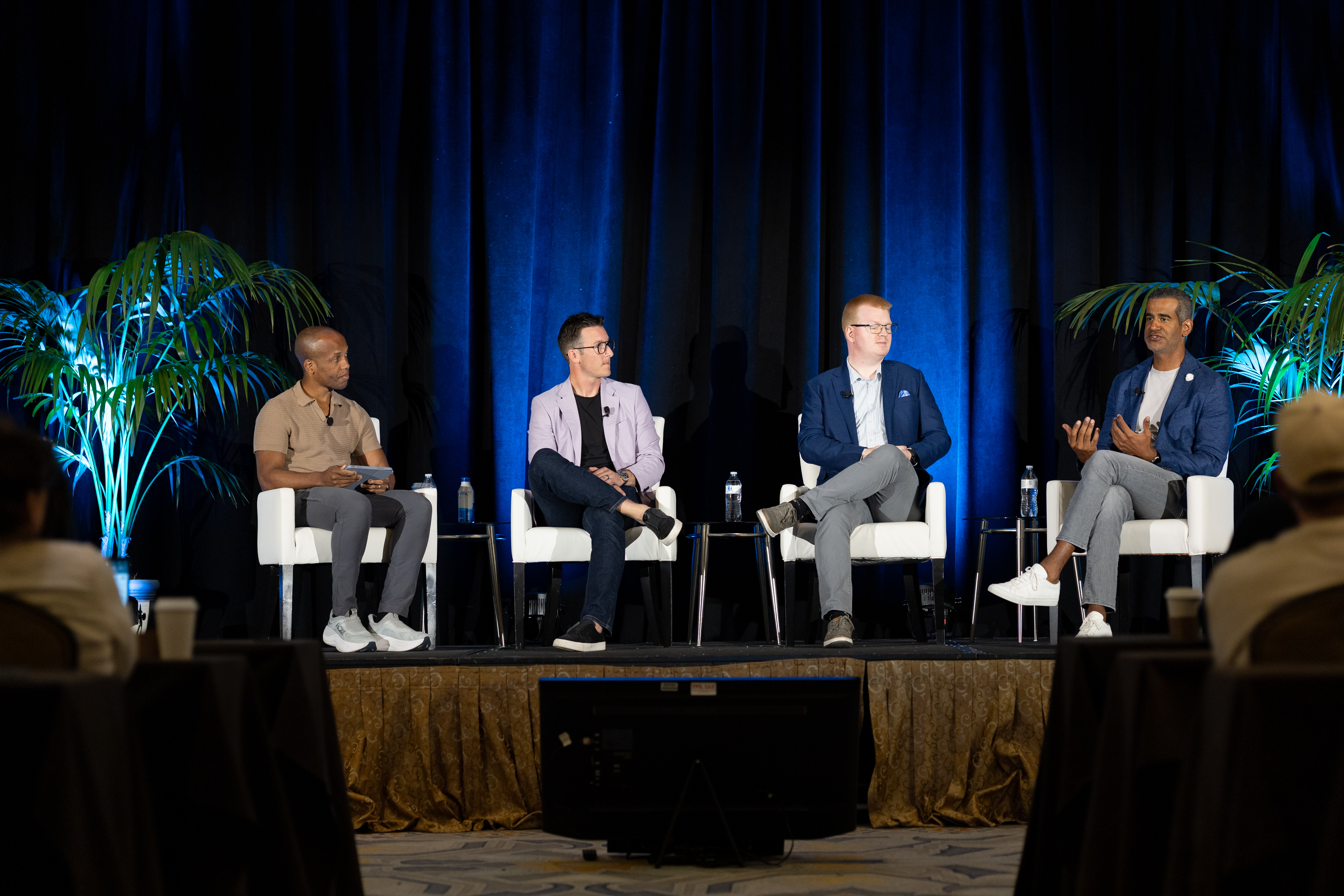
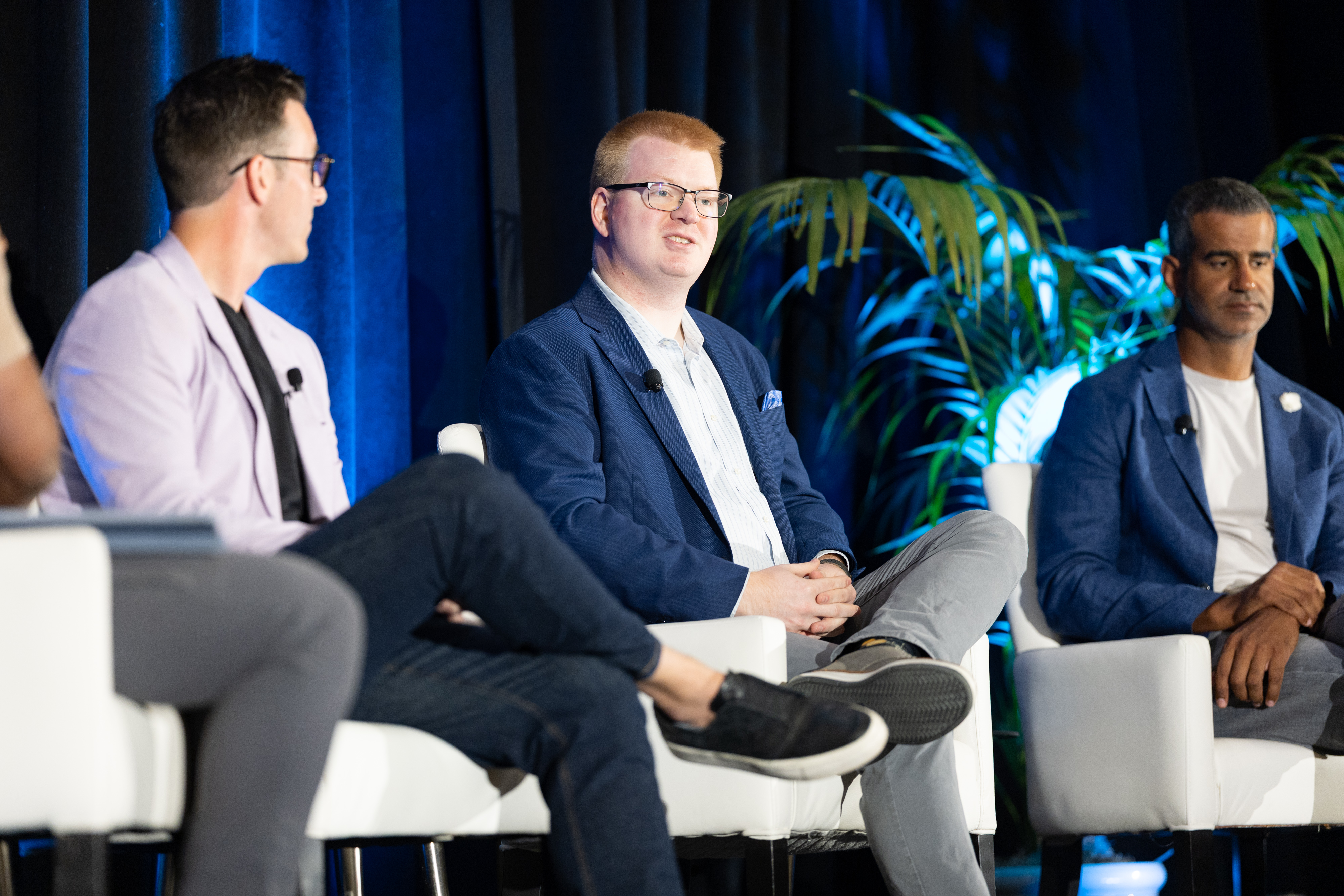
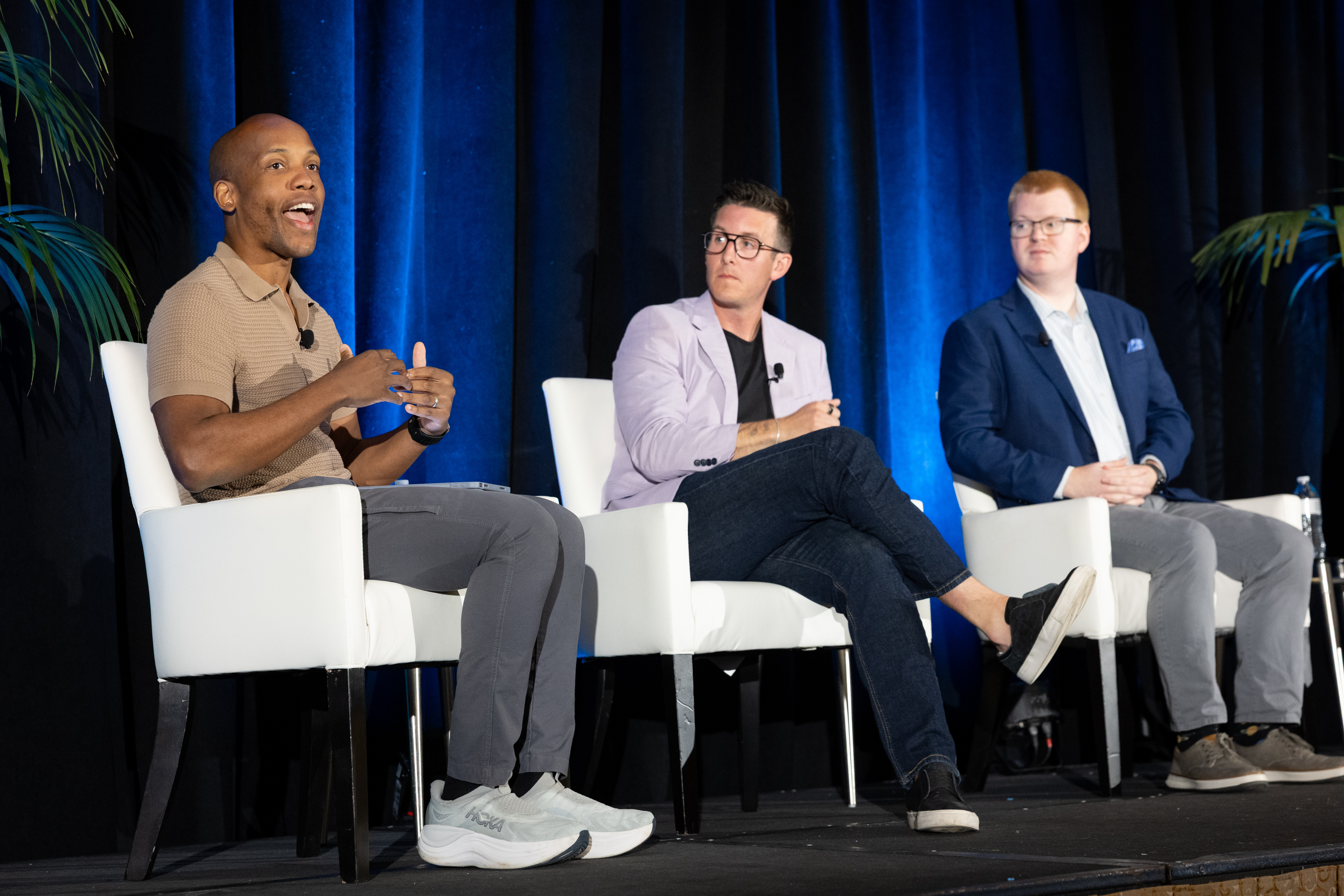
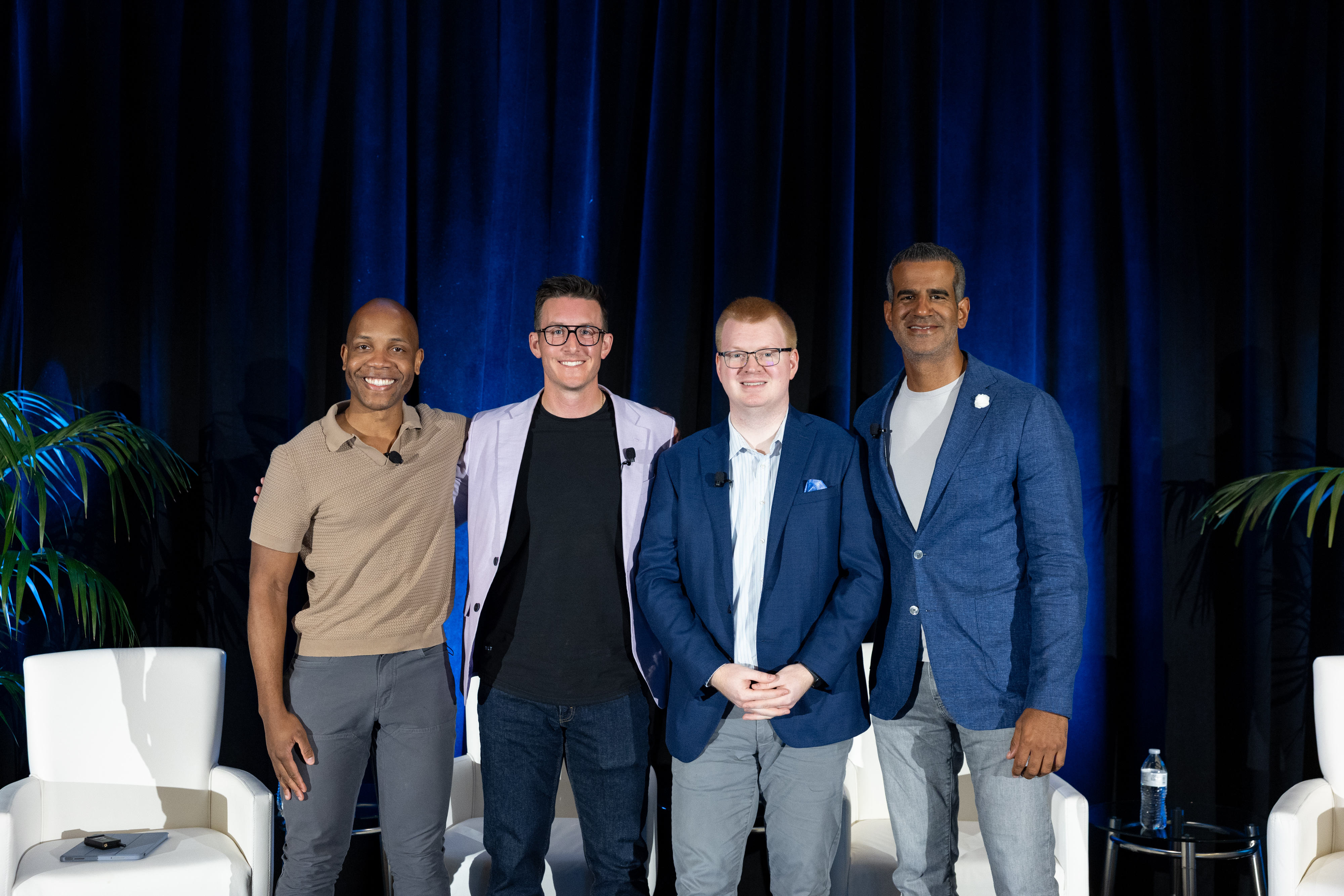
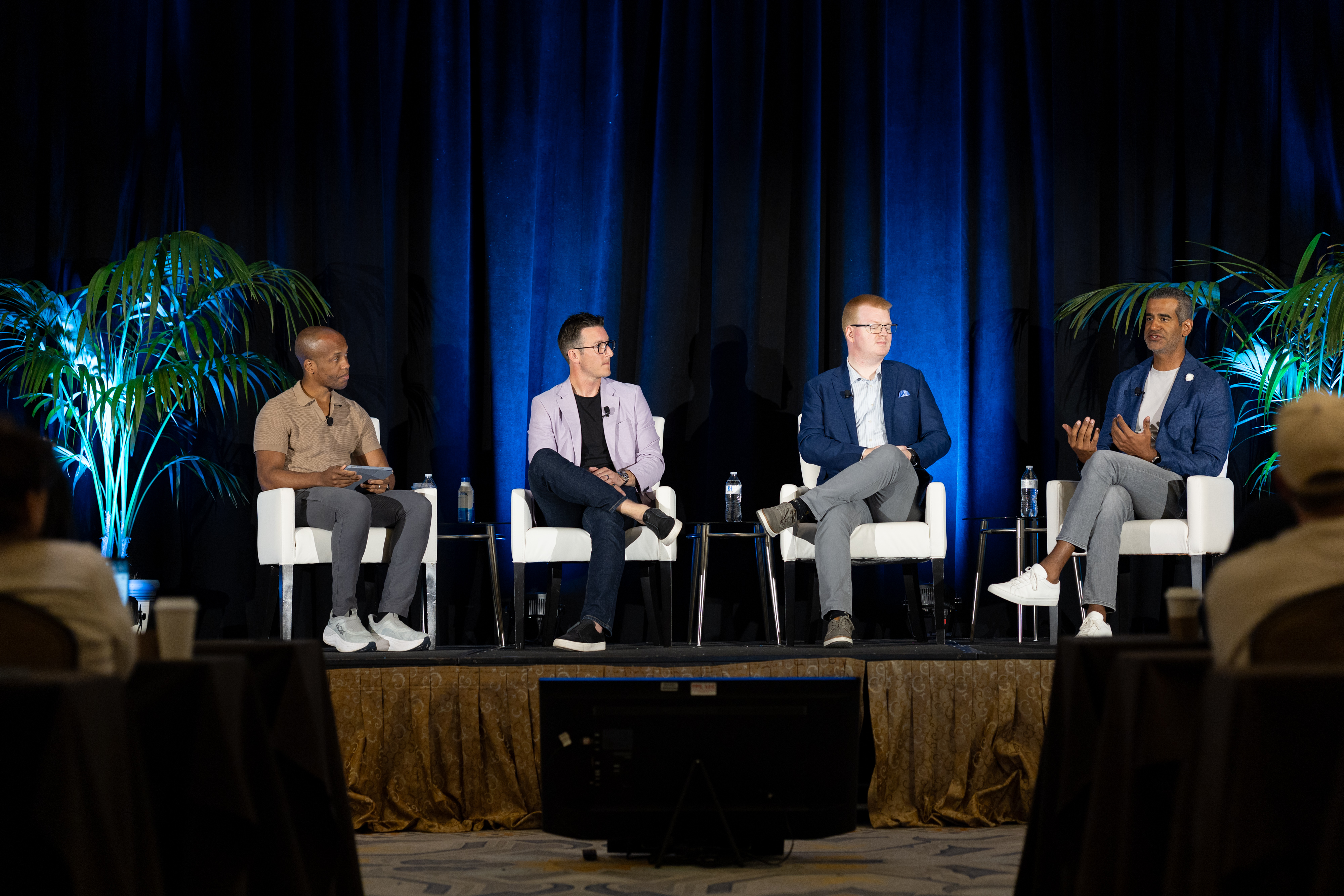
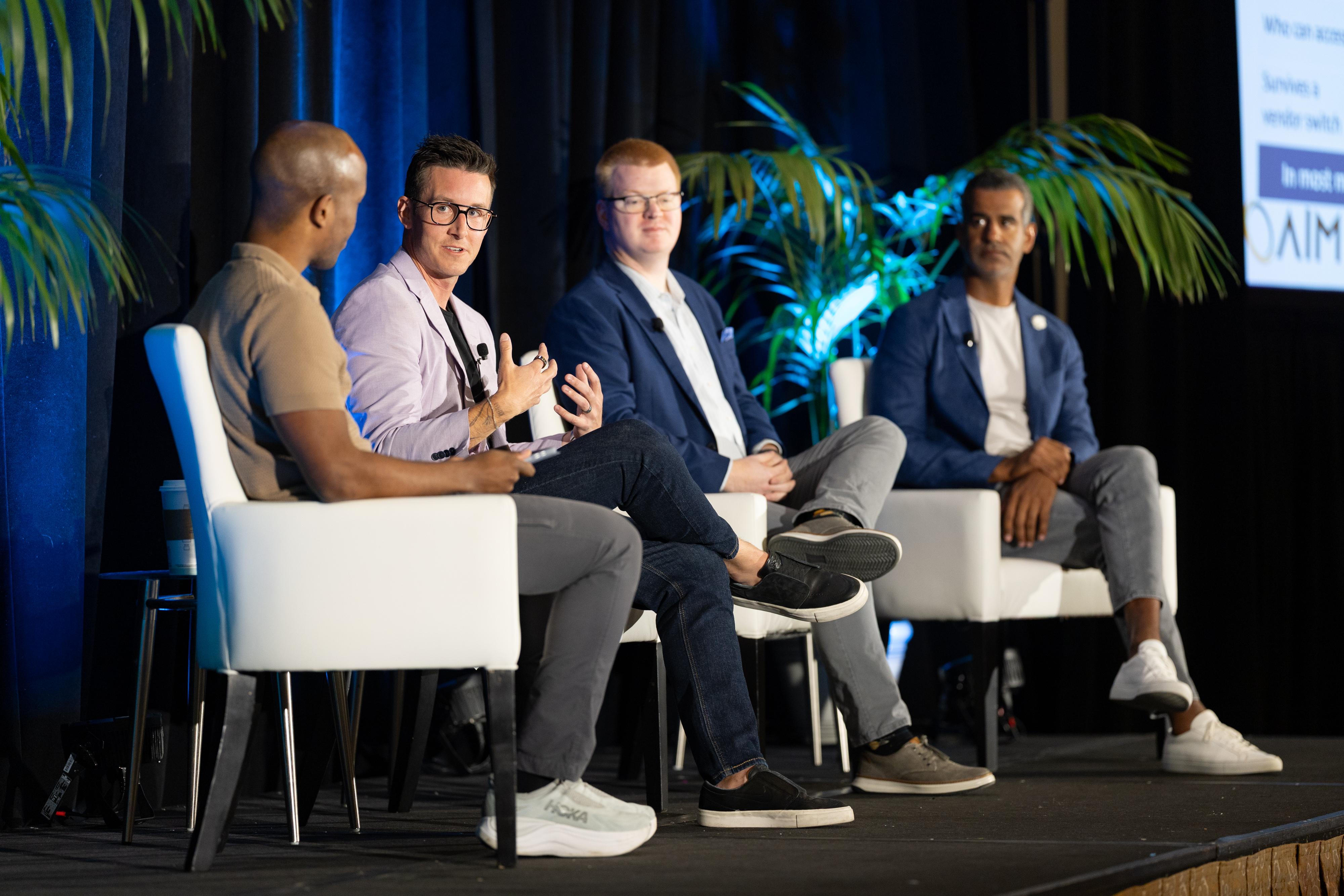
Moderated by Remen Okoruwa, Co-Founder and CEO of Propexo, the panel featured Mike Wolber, CSO of Apartment List, Zach Menzer, VP, Enterprise Initiatives of White Oak Partners, and consultant Daniel Paulino of Paulino Strategies. Their central message: AI cannot overcome a weak data foundation.
For many multifamily organizations, the problem starts with fragmentation. Portfolios may rely on dozens of technology platforms, each producing different definitions and numbers for the same metrics. Owners increasingly want timely, standardized information they can use to make decisions, but data is often delayed, inconsistent, or trapped within vendor platforms.
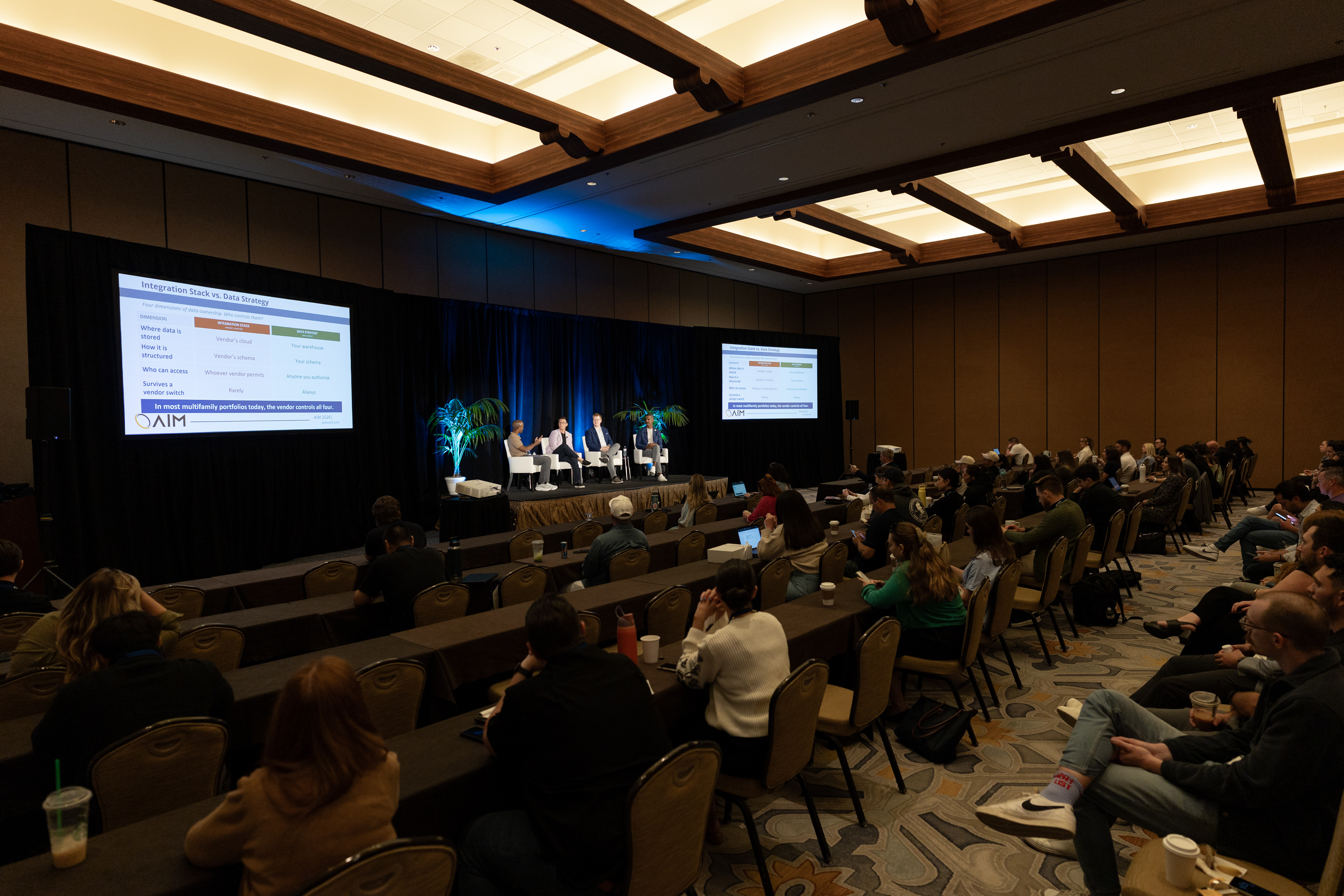
The panel proposed a simple way to evaluate data strategy: Where is your data stored? How is it structured? Who can access it? And what happens to it if you change vendors? If an organization cannot confidently answer those questions, its vendors may effectively control its data strategy.


Getting AI-ready requires more than collecting information. Organizations need a centralized data environment, pipelines connecting relevant systems, and an intelligence layer that cleans and standardizes information so it can support BI, automation, and AI.
Menzer illustrated the potential through White Oak's work on financial variance reporting. By improving the underlying data and using AI to demand more meaningful explanations, the company estimated roughly a 50% reduction in accounting time spent on the process, at less than $5 in AI credits per property per month.
Better-connected data can also reveal insights humans might miss. White Oak combined maintenance data with a property map to identify why certain work orders took longer, and used AI sentiment analysis to distinguish property-specific problems from broader market issues.
Ultimately, enterprise AI requires moving beyond AI embedded within individual point solutions toward intelligence that can work across the organization's entire technology stack.
Key Takeaways
- AI readiness starts with data readiness. Clean, standardized information is the foundation for meaningful automation and intelligence.
- Create one version of the truth. Agree on definitions for occupancy, leads, conversions, collections, and other critical metrics.
- Own your historical data. Vendor contracts should preserve access even after the relationship ends.
- Centralize before you orchestrate. A data warehouse or similar architecture allows AI to work across previously disconnected systems.
- Start with one measurable use case. Find a problem where AI or automation can demonstrate clear time, efficiency, or financial value.
- Go slow early so you can go fast later. Establish data standards and governance now so more sophisticated agentic AI can scale later.
Here is the PowerPoint:
Interested in learning more? Check out the other blogs highlighting sessions from AIM 2026:
.gif)