


 Canva for Multifamily Workshop
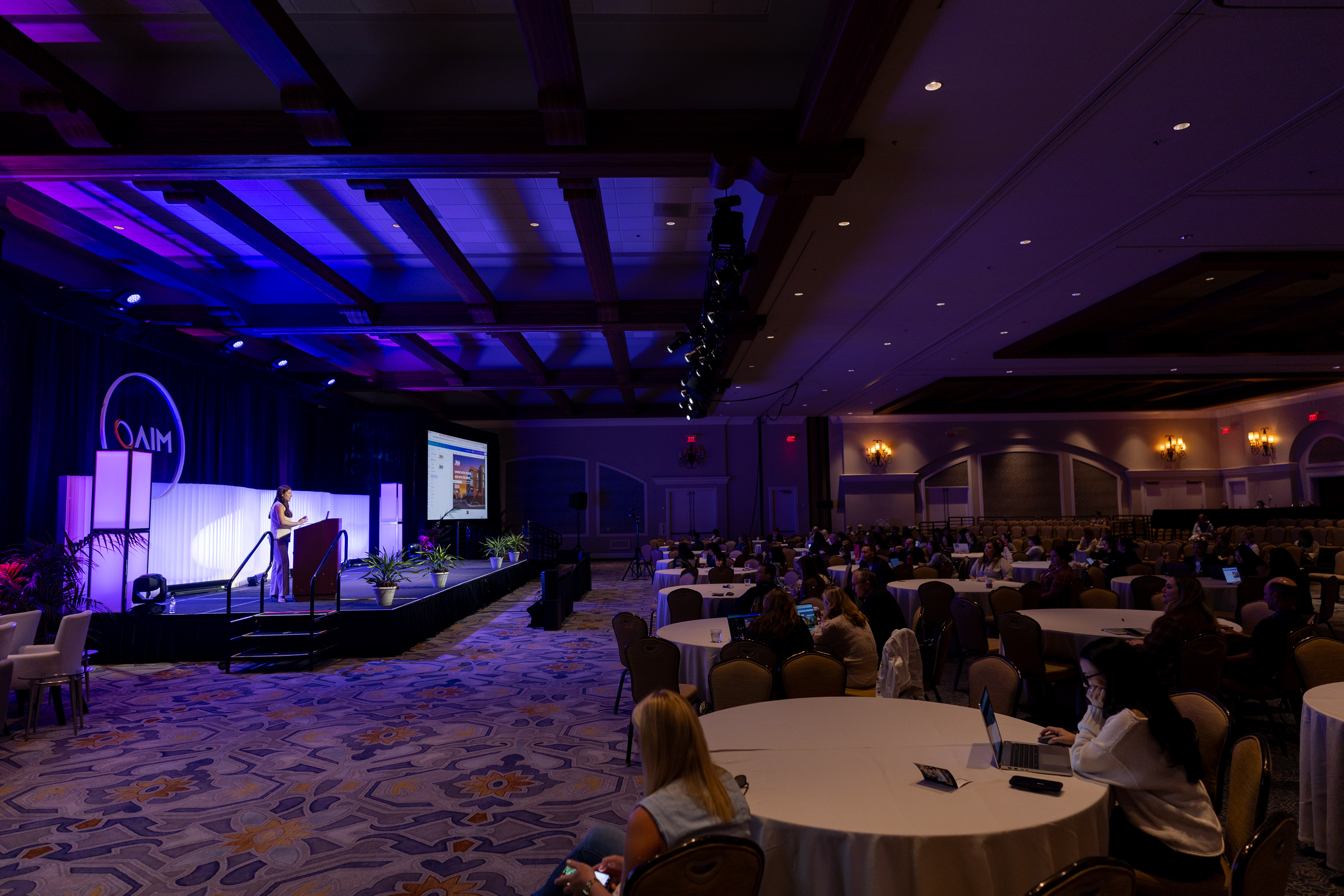
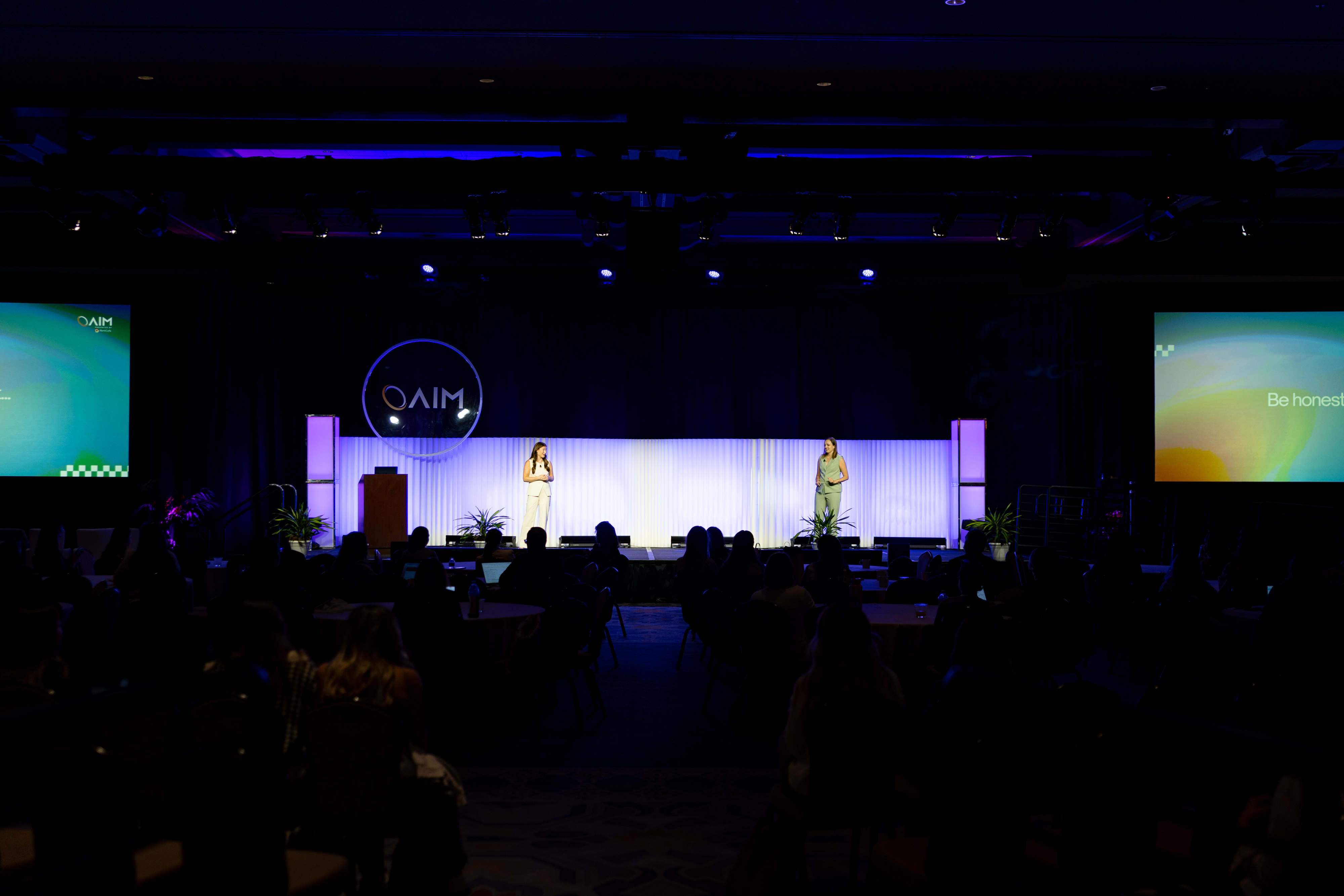
Jordan Restad and Jordan Harkins of Thrive Communities framed the session around an increasingly common tension: traditional designers want precision and brand control, while newer marketers prioritize speed and accessibility. But the debate isn't really Canva versus Adobe. As Restad put it, “Canva has won. It's about whether you're leading or reacting.”
Thrive's realization came in 2023 when the marketing team discovered more than 30 employees had independently created Canva accounts using the company's domain. Initially, that looked like a brand-control problem. Instead, the team recognized it as feedback: employees needed to create simple materials quickly, and requiring marketing to update every flyer or fee sheet had become an operational bottleneck.
That challenge is significant for Thrive's nine-person marketing team, which supports approximately 25,000 units and more than 150 individual brands. Their solution was not to prevent decentralized creation but to create guardrails around it.
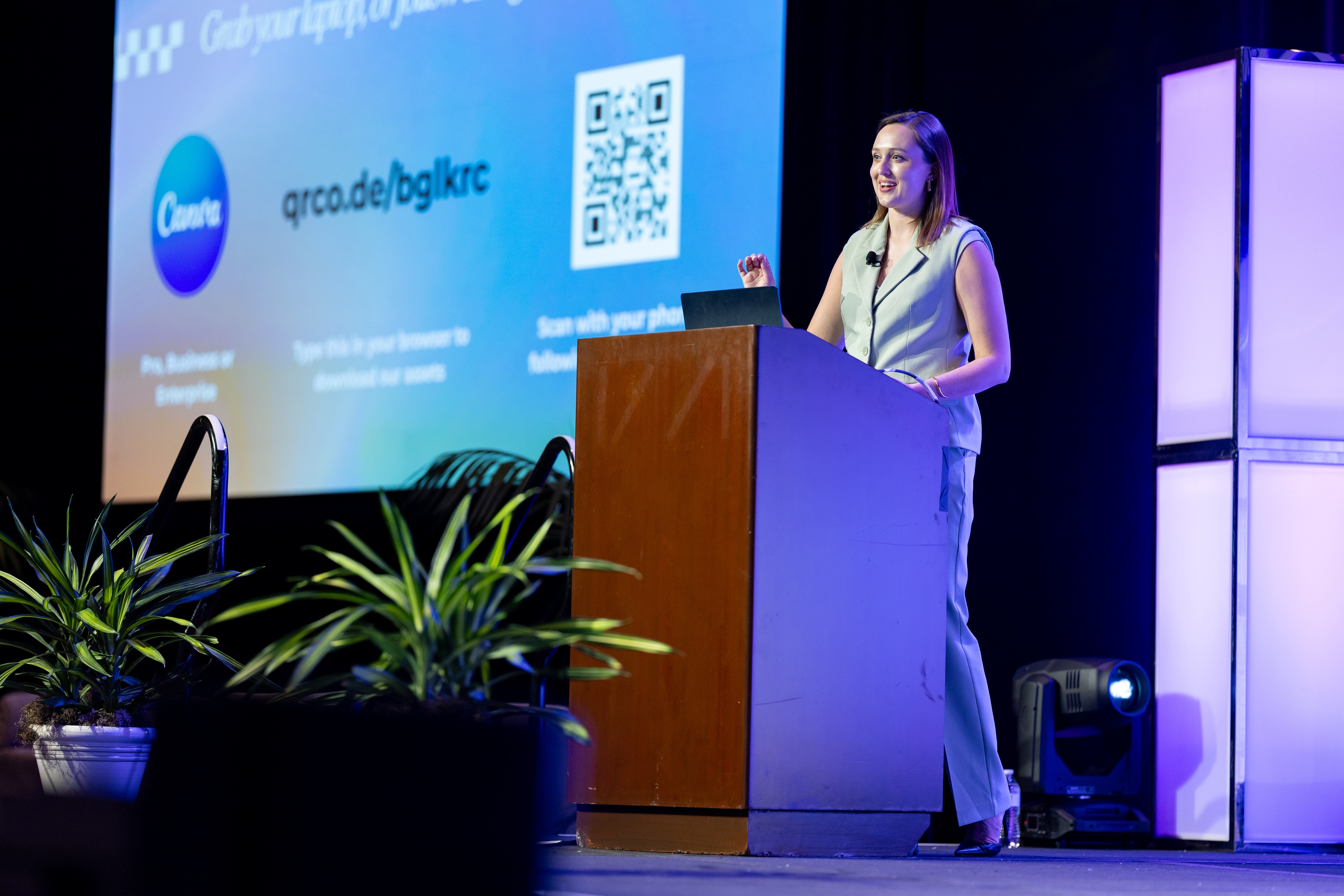
The presenters demonstrated how brand kits and brand controls can establish approved logos, colors, fonts, graphics, and publishing rules. Marketing can even require approval before content is published, providing teams with autonomy while preserving brand consistency.
They then demonstrated a second use case: rapidly creating branded splash pages for lease-ups. Thrive used this approach for a Seattle community while its full website was being developed. During approximately 10 months, the splash page generated 551 interest-list signups, 33 tours, and five leases, primarily at the cost of a building banner and the existing Canva subscription.
The larger lesson wasn't about one design platform. It was about creating systems that let teams move quickly without sacrificing brand integrity.
Key Takeaways
- Decentralized design is already happening. Instead of fighting it, create a controlled environment where teams can work safely.
- Build guardrails before scaling access. Lock approved logos, fonts, colors, assets, and publishing workflows into brand kits.
- Turn repetitive requests into templates. Flyers, social assets, splash pages, and other recurring materials don't always require a designer.
- Use marketing talent where it adds the most value. Templates can remove routine production work so designers and marketers can focus on higher-value strategy and creative.
- Speed doesn't have to sacrifice consistency. The right controls can support both creative autonomy and brand governance.
- Use lightweight tools for lightweight problems. A temporary lease-up page doesn't always require a full website development process; Thrive demonstrated that a simple solution can still generate measurable leasing results.
Interested in learning more? Check out the other blogs highlighting sessions from AIM 2026:
.gif)