


 The "Last Impression" Paradox: Turning Move-Out Friction into a Hospitality Superpower
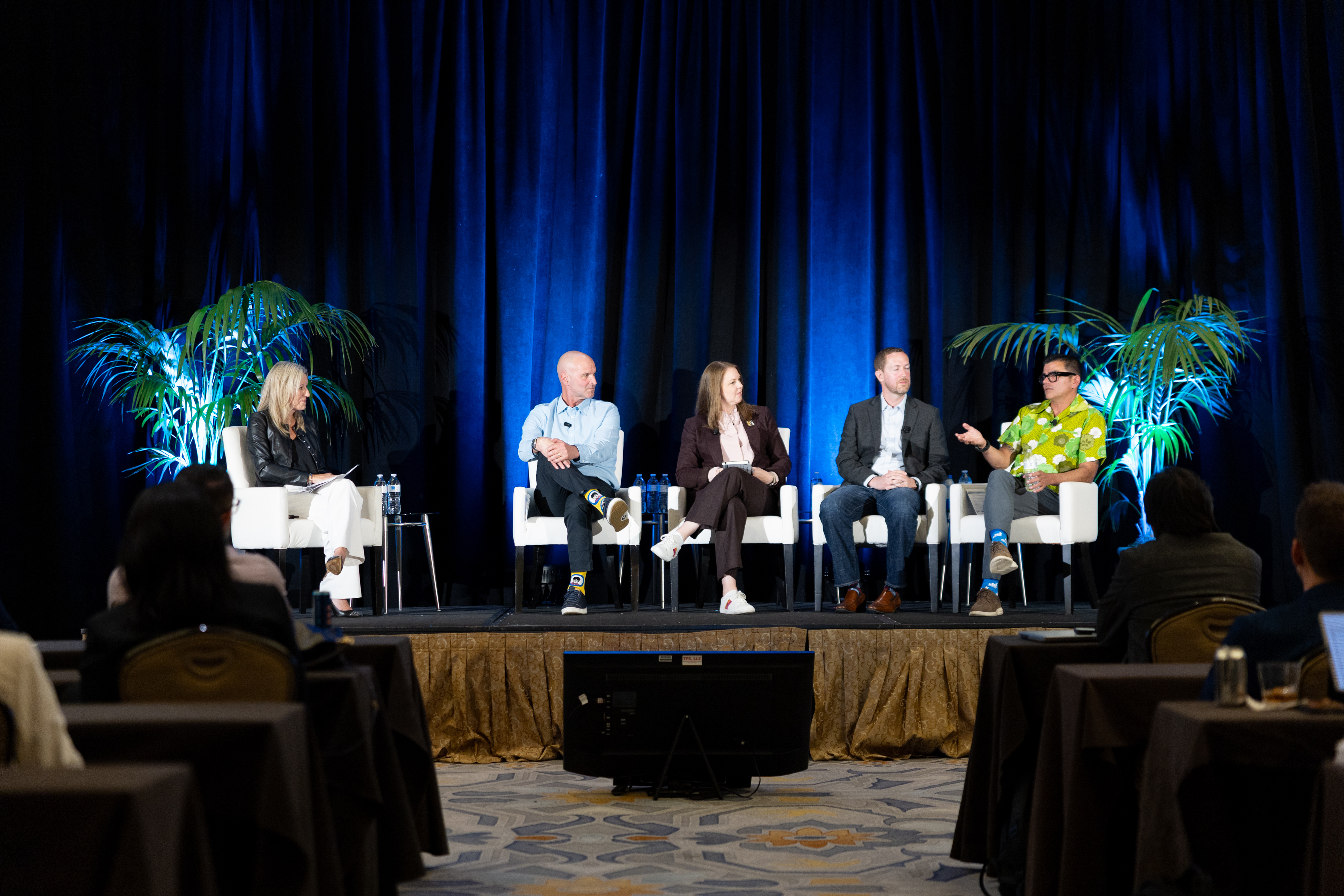
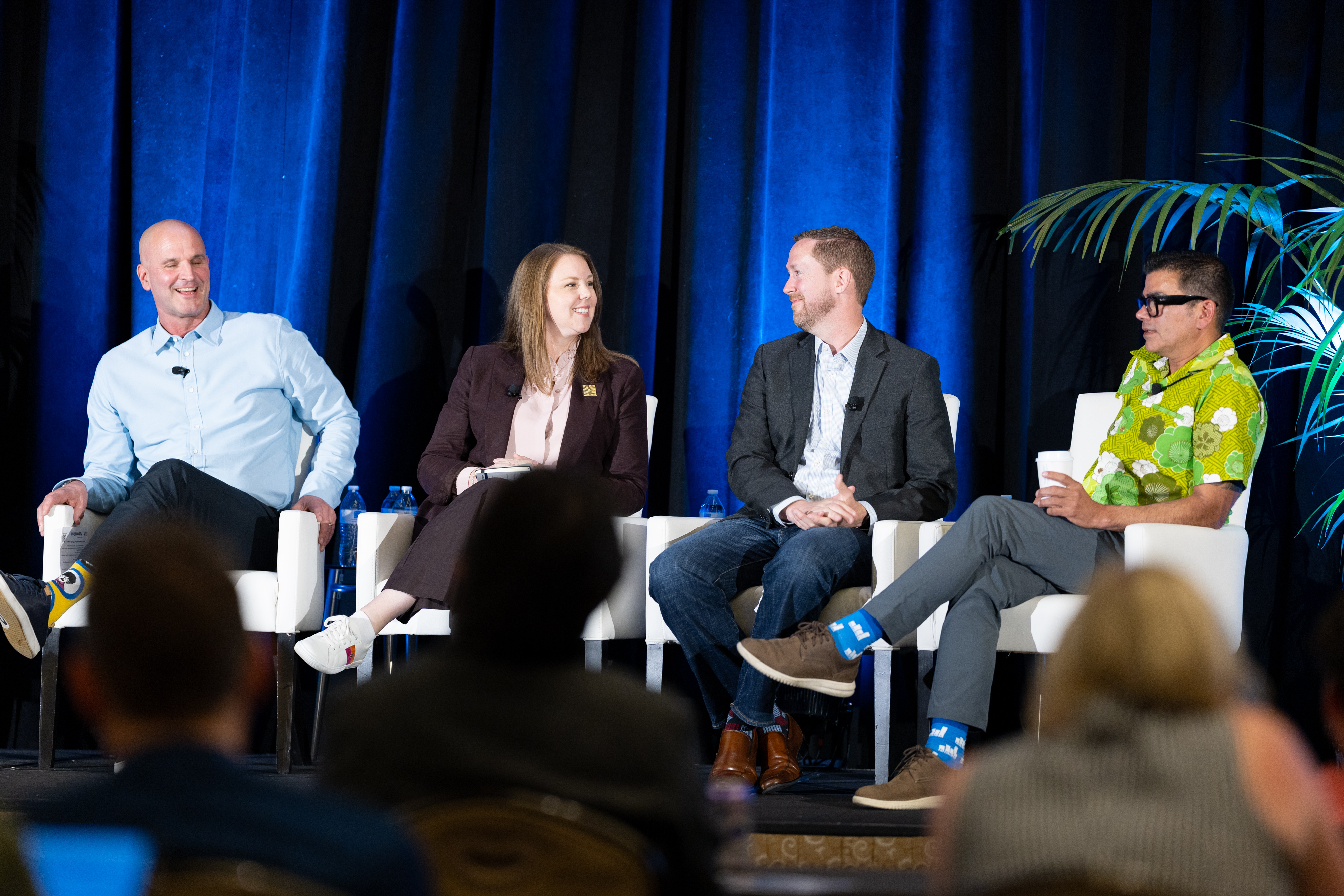
Moderated by Stacy Stemen of Passco Companies, the panel featured Kelly McCunniff of Greystar, Christie Bennett of Willow Bridge, David Walther of Asset Living, and Jason Gherardini of Sares-Regis Group. Together, they explored one of multifamily's most overlooked resident touchpoints: the move-out and security deposit process.
The paradox is that a resident can have an excellent experience for years, only to leave frustrated because of unexpected deductions, delayed refunds, unclear timelines, or poor communication. That final interaction can become the experience they remember—and potentially the review they leave online.
McCunniff described move-out as becoming overly transactional once notice is given. Instead of continuing the hospitality established during leasing and residency, teams often shift into inspections, deadlines, charges, and administrative tasks. Bennett added that expectations frequently aren't aligned from the beginning, leaving residents uncertain about how much of their deposit they'll receive or when they'll receive it.
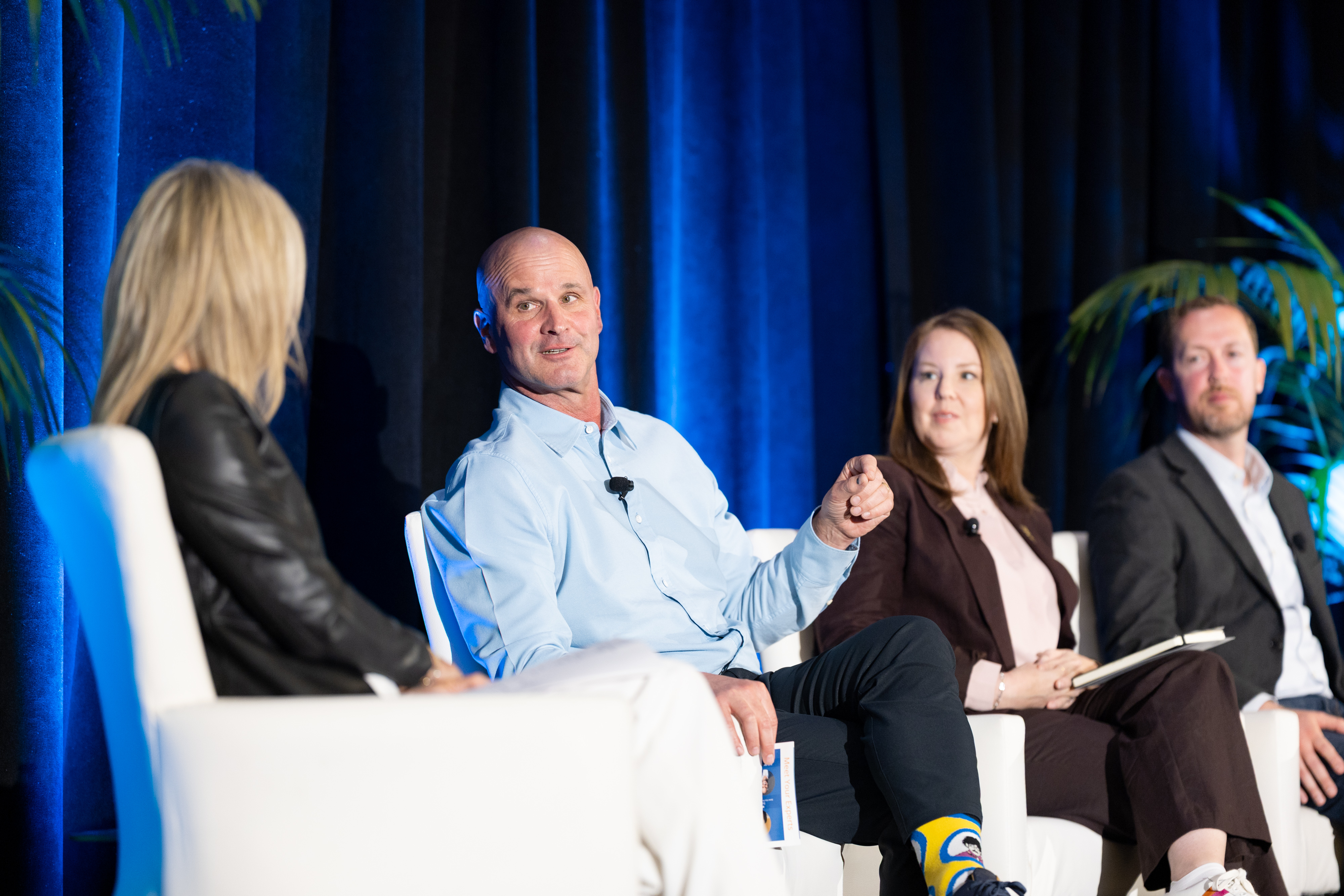

Compliance adds complexity. Deposit regulations, refund timelines, communication requirements, and documentation vary by jurisdiction, making consistent execution across large portfolios difficult. The panel emphasized that knowing the regulation isn't enough; operators must build processes and training that ensure requirements are executed correctly at the property level.
Technology can reduce that risk while improving the resident experience. Digital documentation, move-in and move-out photography, electronic refunds, centralized deposit management, automated deadlines, and clear visibility into deductions can create a more transparent process. But technology alone isn't the answer.

As McCunniff emphasized, multifamily should put the same energy into the “move-out sales experience” that it puts into leasing. Residents still want communication, empathy, and a relationship—even when they're leaving.
Key Takeaways
- The last impression matters. A poor deposit experience can erase years of resident goodwill and generate damaging reviews.
- Set expectations at move-in. Residents should understand deposits, potential charges, refund options, and the move-out process before problems arise.
- Modernize refunds. Electronic payments increasingly match resident expectations better than mailed checks.
- Document everything. Standardized photos and evidence at move-in and move-out can reduce disputes and compliance risk.
- Build compliance into the workflow. Don't rely on individual employees to remember different jurisdictional requirements.
- Don't automate away hospitality. Technology should remove administrative friction so employees have more capacity for communication, empathy, and a positive final interaction.
Here is the PowerPoint:
Interested in learning more? Check out the other blogs highlighting sessions from AIM 2026:
.gif)