

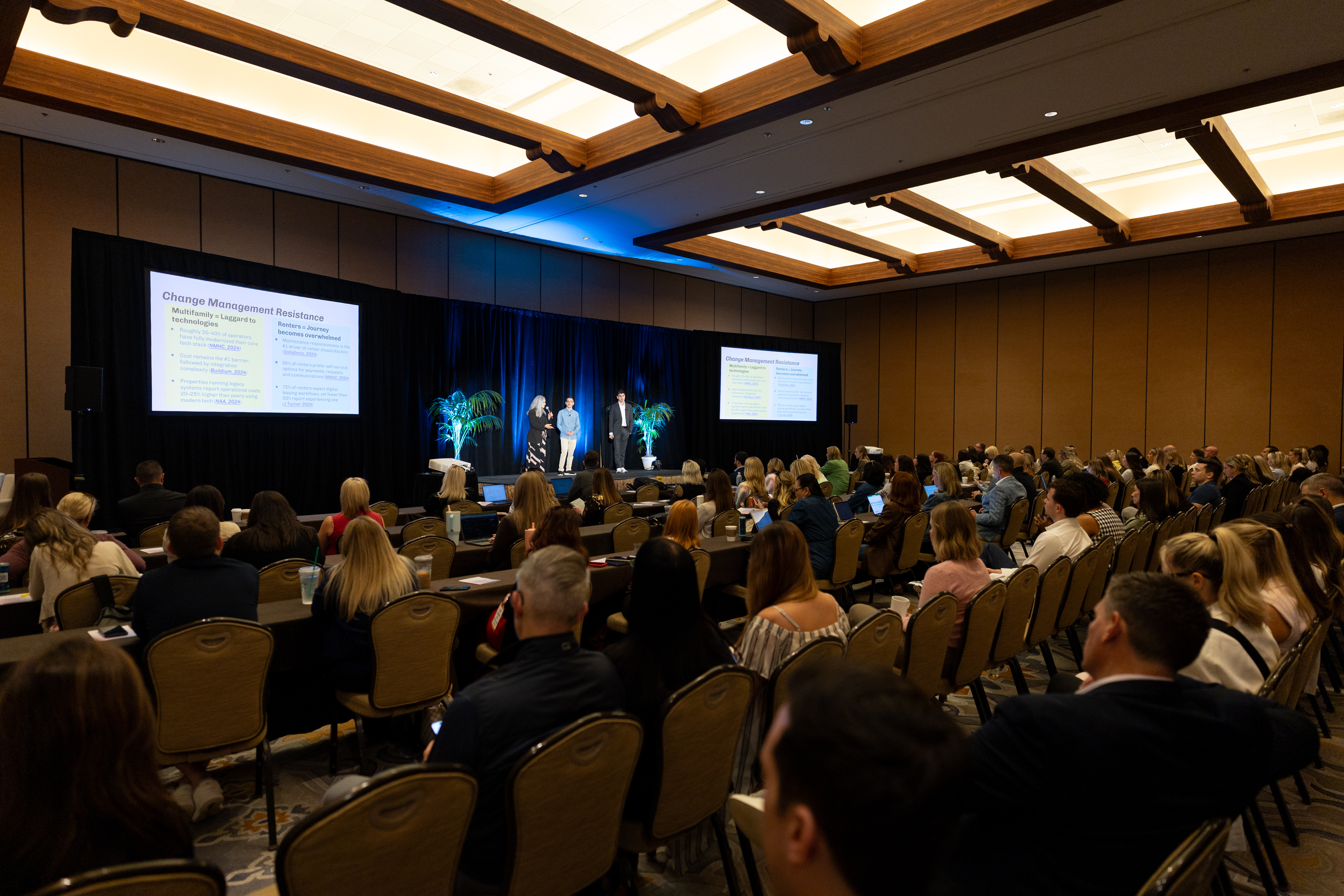
How AI Ruins Multifamily Operations (And how to stop it from ruining yours)
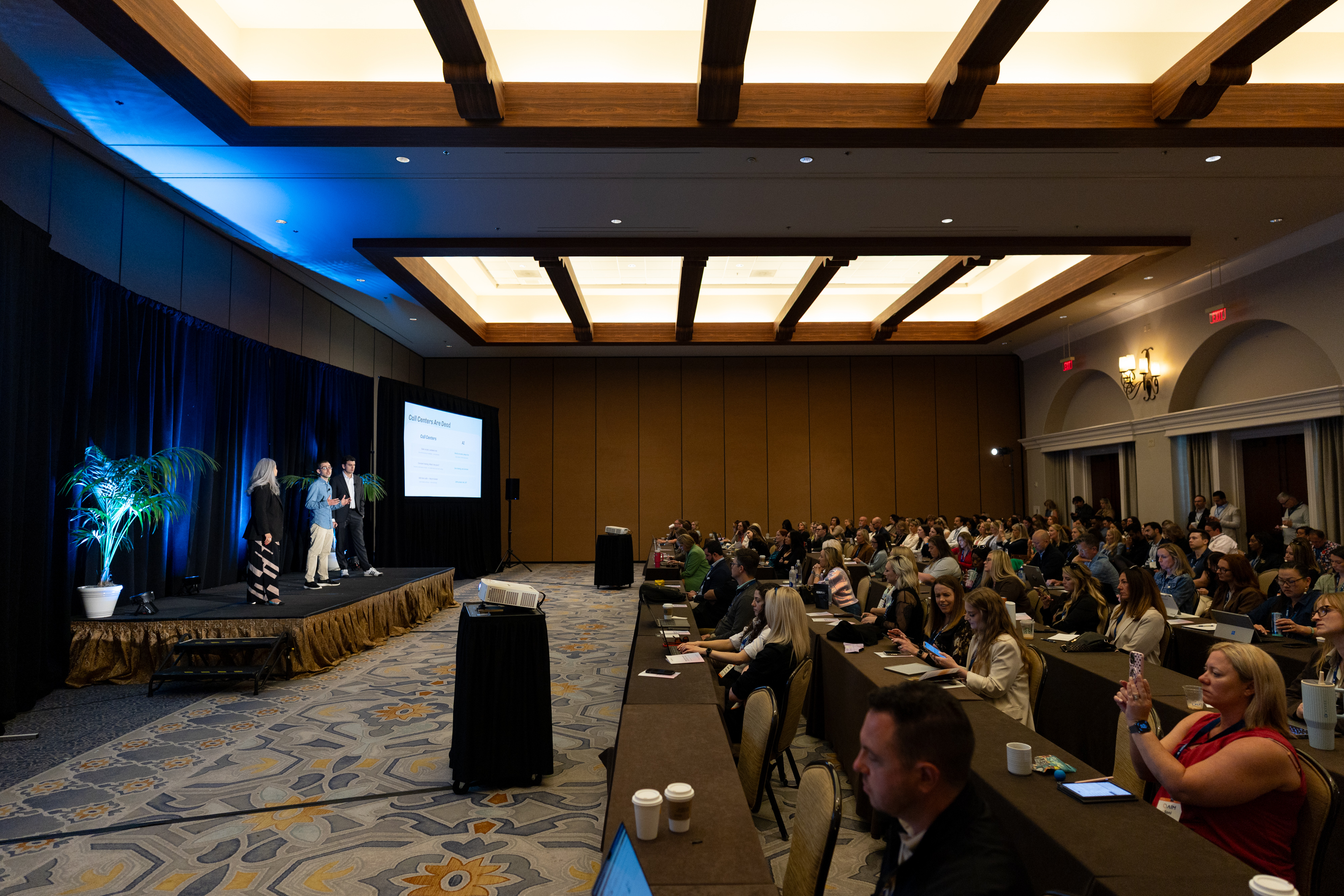
The session opened with a provocative premise: AI can actually make multifamily operations worse. The problem isn't necessarily AI itself, but implementations built on bad data, insufficient knowledge, poor training, fragmented technology, and weak human handoffs. Without the right guardrails, AI can create inaccurate answers and frustrating prospect and resident experiences.
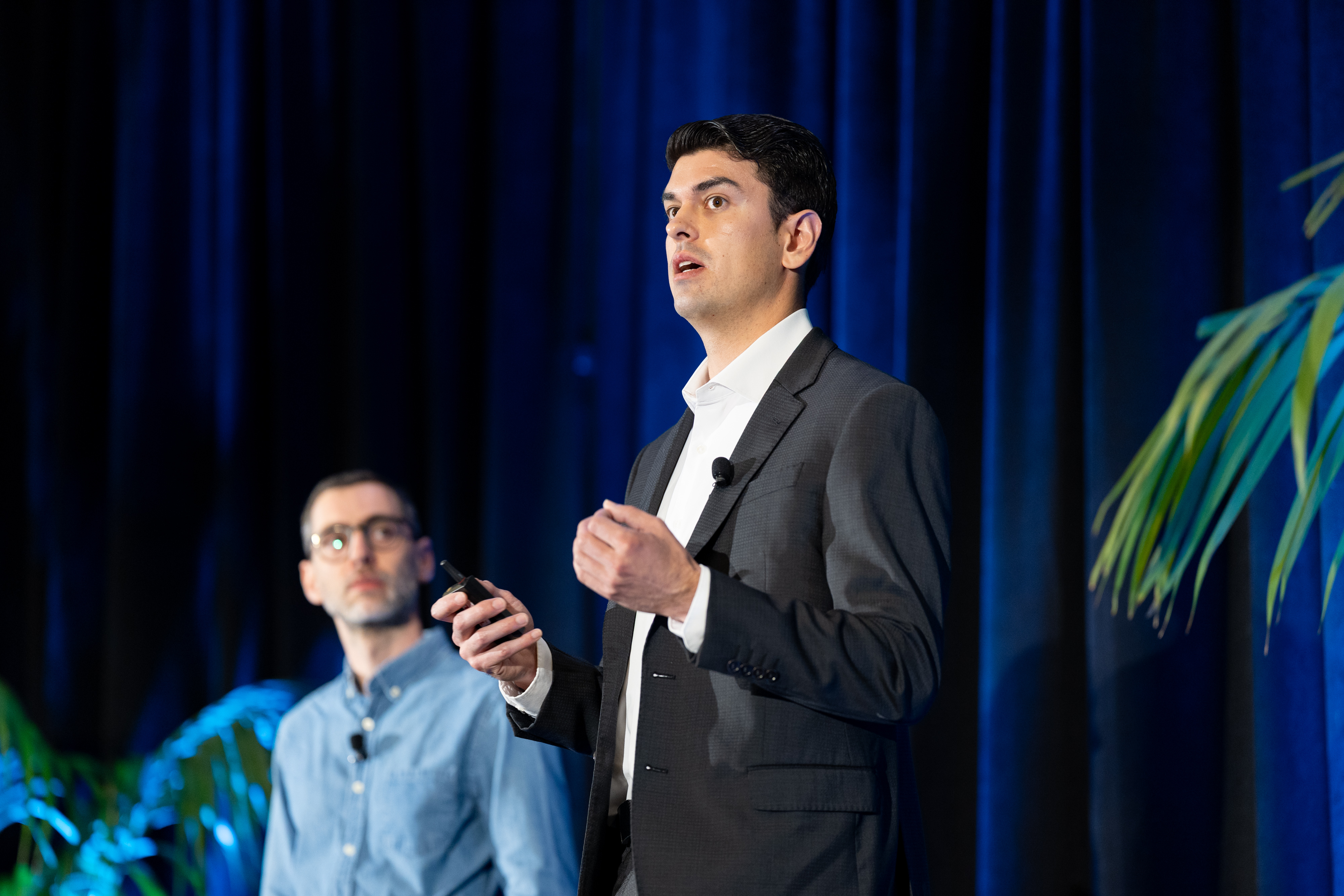
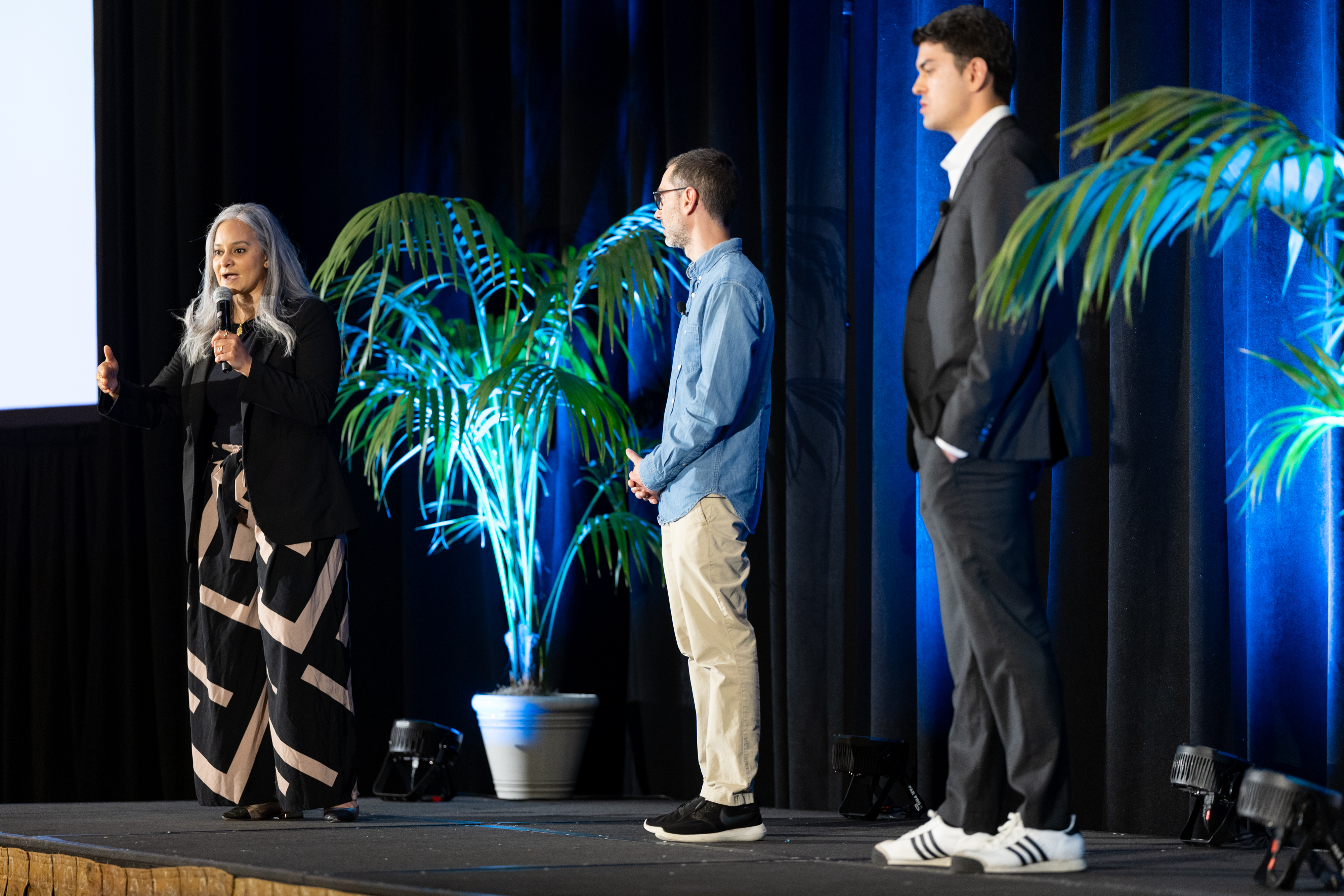
Kendrick Bradley, Ryan Funt, and Dalia Kalgreen’s discussion focused on building AI around how renters and onsite teams actually behave. Renters increasingly expect immediate, 24/7 access to information, but that doesn't eliminate the need for people. AI excels at routine questions—pricing, pet policies, availability, square footage, and utilities—while emotional, nuanced, or high-stakes situations still benefit from human judgment.
The most important challenge may be the handoff between AI and humans. If a prospect explains what they want to an AI assistant and then has to repeat everything to a leasing agent, technology has created friction instead of eliminating it.
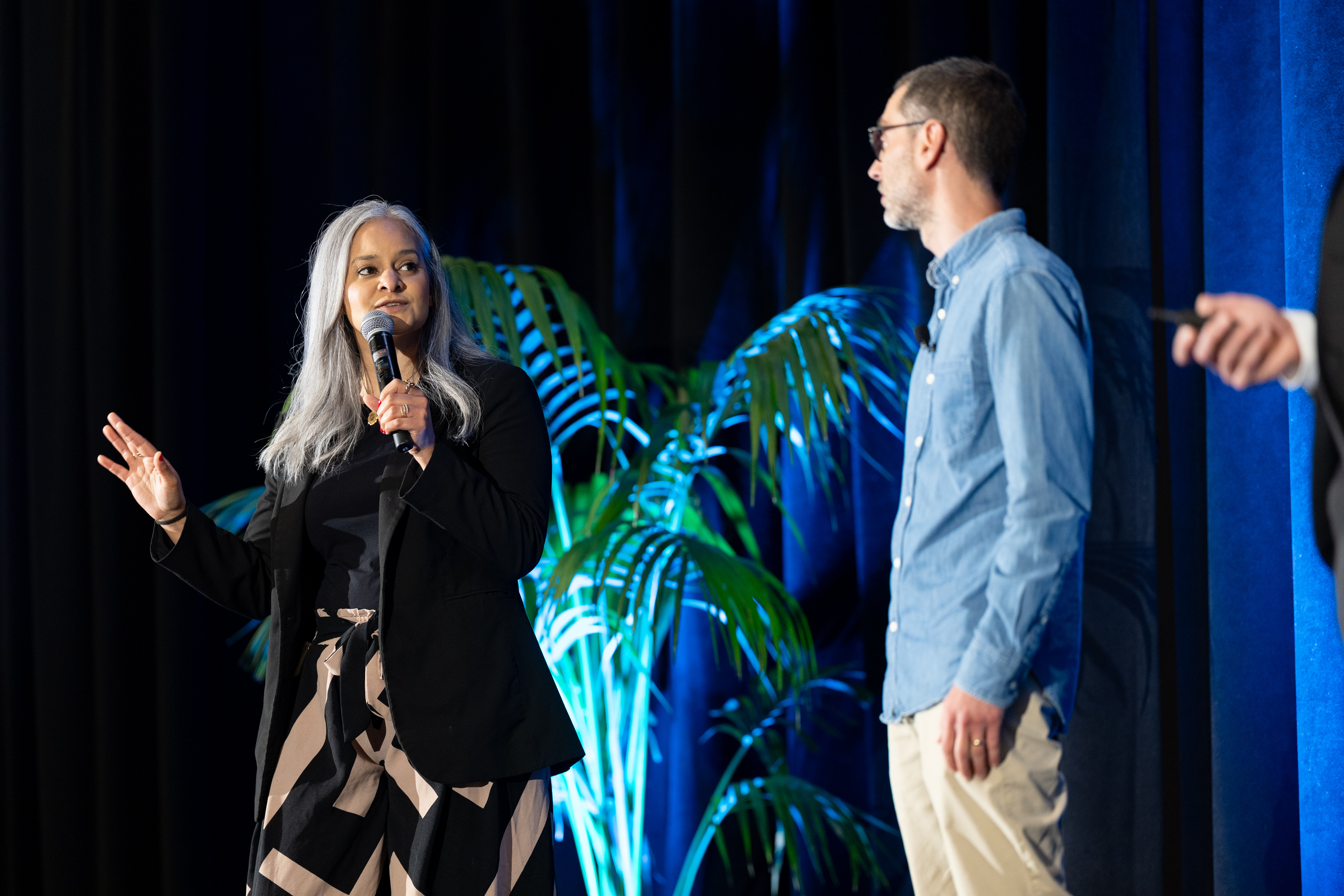
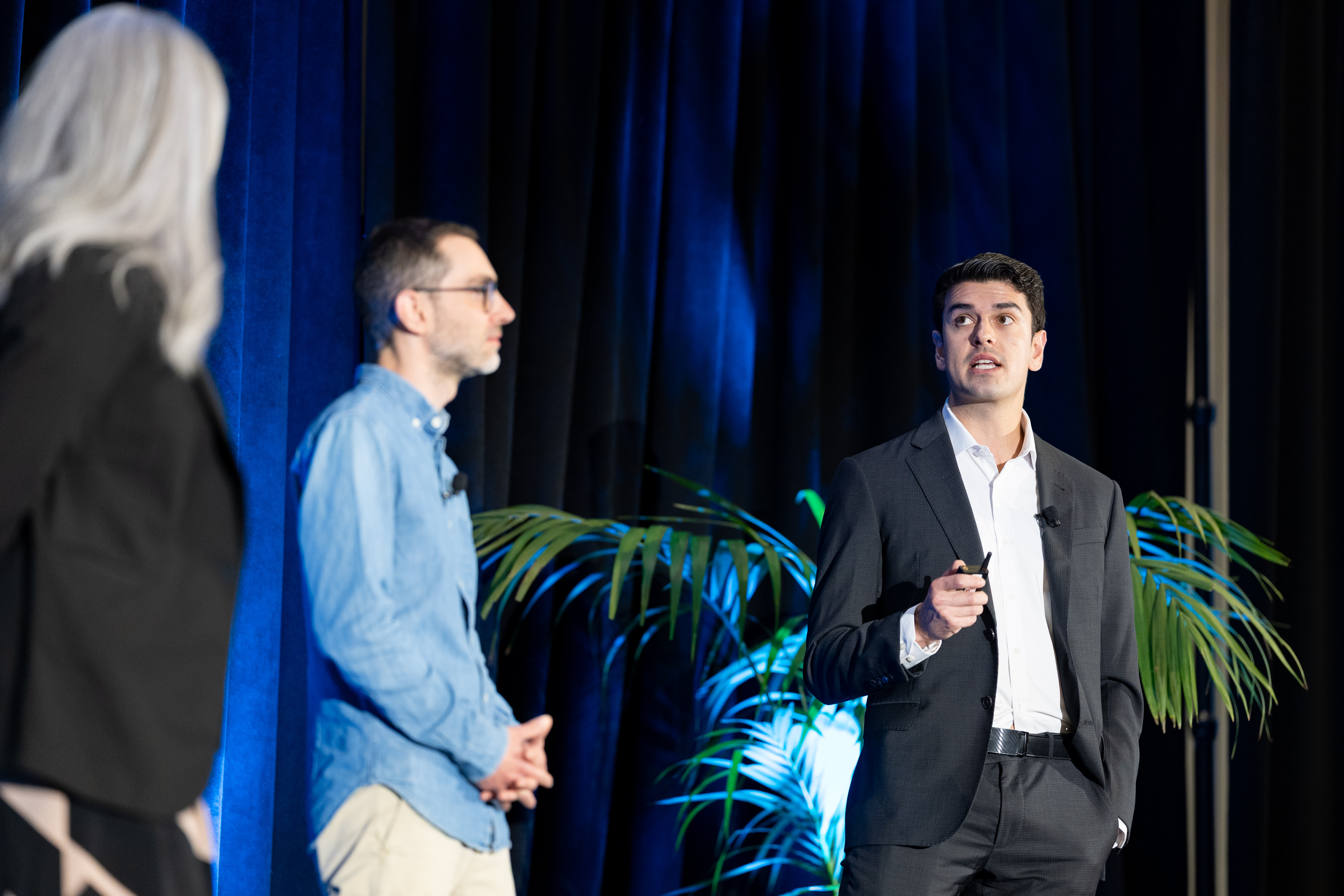
Speed also matters. The session presented data showing prospects were twice as likely to convert with responses within 15 minutes. Zuma's own analysis suggested an even shorter window: response likelihood began declining after approximately two minutes. With 60% of prospects reportedly engaging after hours, automation can provide immediacy that onsite teams realistically cannot deliver alone.
But adding more technology isn't necessarily the answer. The speakers encouraged operators to audit their technology stacks, eliminate redundant tools, and concentrate on fewer platforms that actually improve operations.
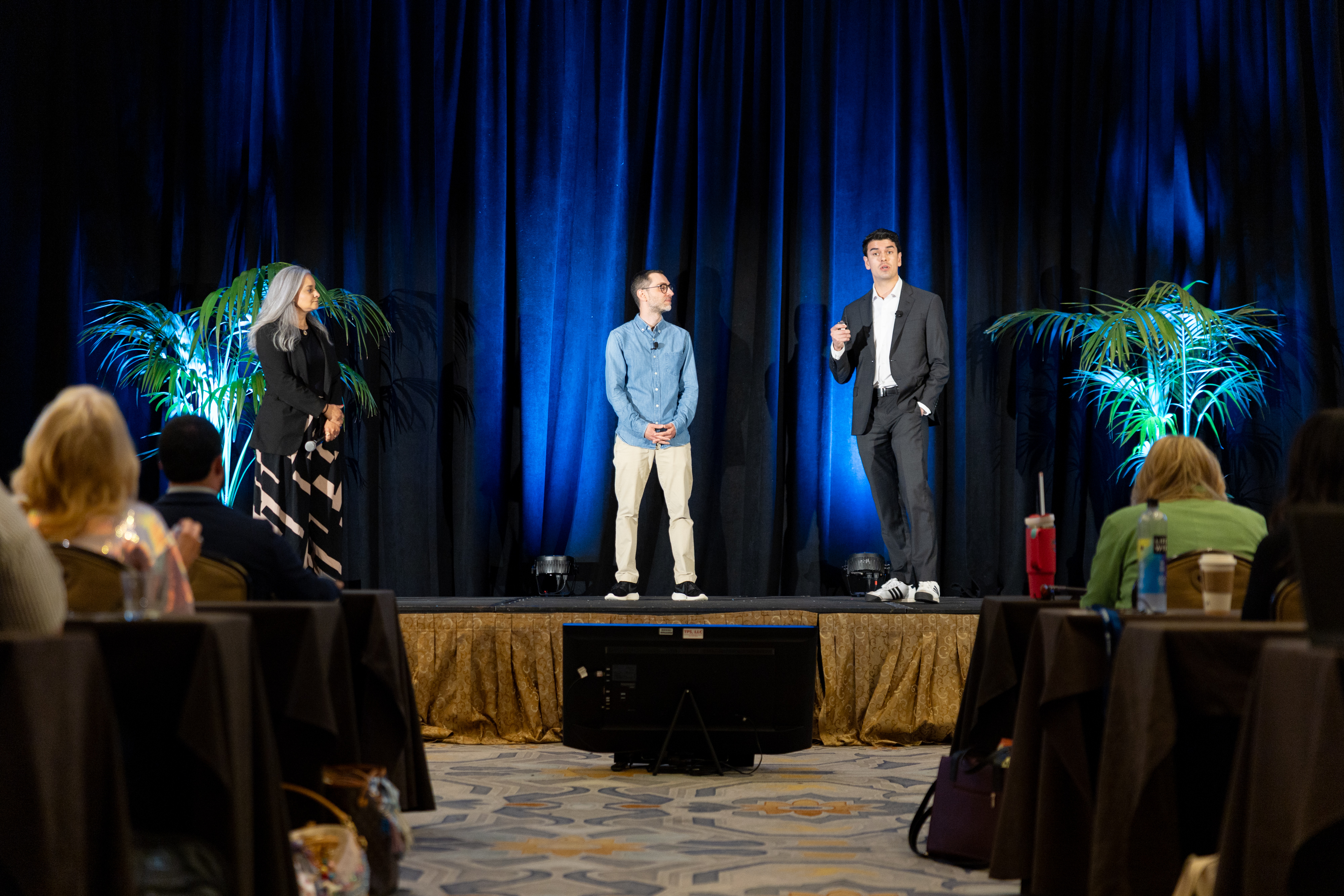
The session proposed four principles for successful AI: Context, Configurability, Continuity, and Consistency. Operators need documented processes and clean data; AI must adapt to individual assets and operating models; conversations must transition seamlessly between technology and people; and performance must remain reliable at portfolio scale.
Key Takeaways
- Bad data creates bad AI. Clean pricing, policies, availability, and operational data are prerequisites.
- Document operations before automating them. AI cannot reliably execute processes the organization itself hasn't clearly defined.
- Design the human handoff. Prospects and residents shouldn't have to restart conversations when moving from AI to an employee.
- Audit your tech stack. More tools can mean more fragmentation; simplify around platforms that actually move performance.
- Use AI where immediacy matters. Routine questions, after-hours communication, follow-up, and collections are strong automation opportunities.
- Audit the AI itself. Operators remain accountable for deployed technology, including accuracy, consistency, fair housing compliance, and edge cases.
Here is the PowerPoint:
Interested in learning more? Check out the other blogs highlighting sessions from AIM 2026:
.gif)