


Protecting NOI Starts with the Resident Experience
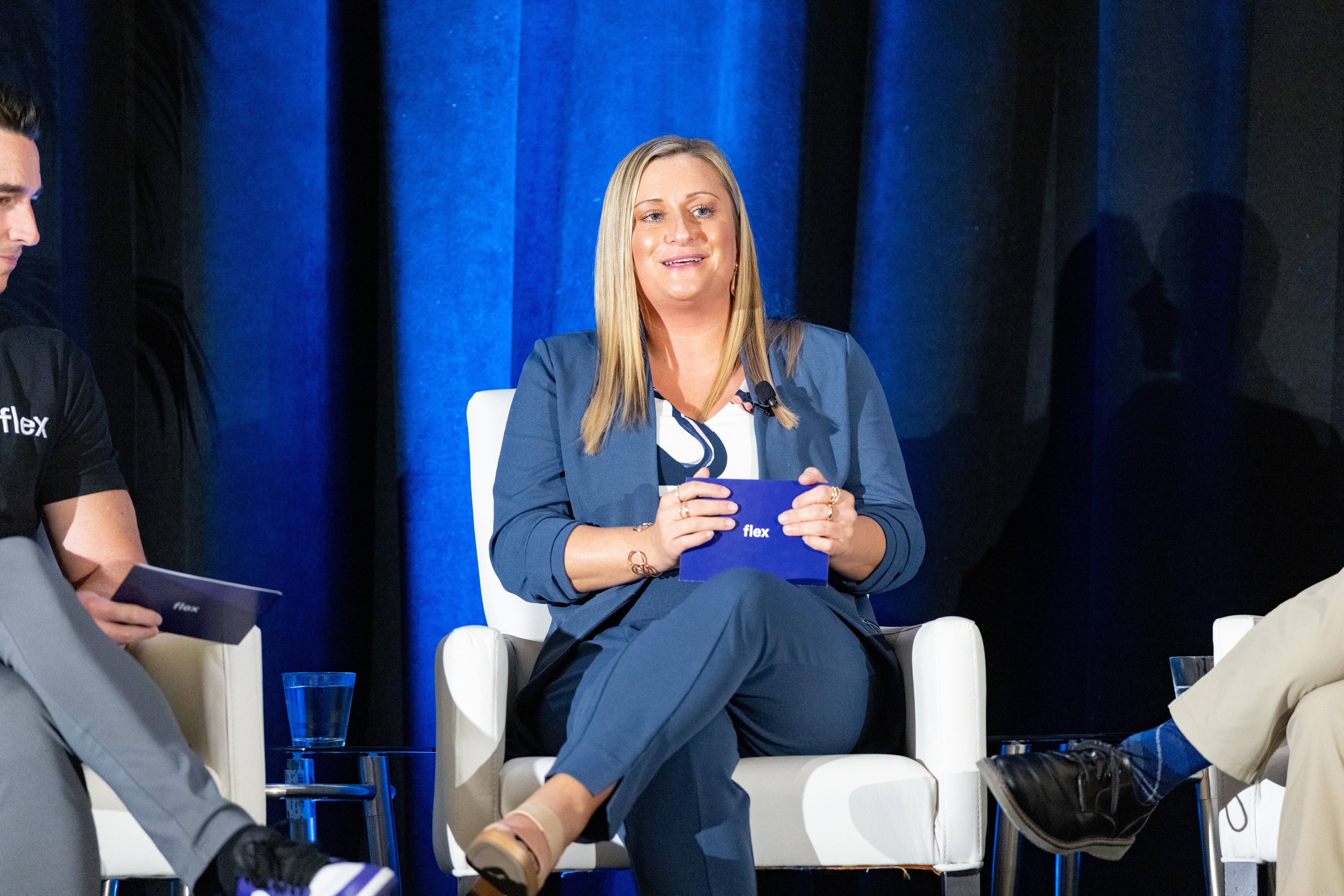
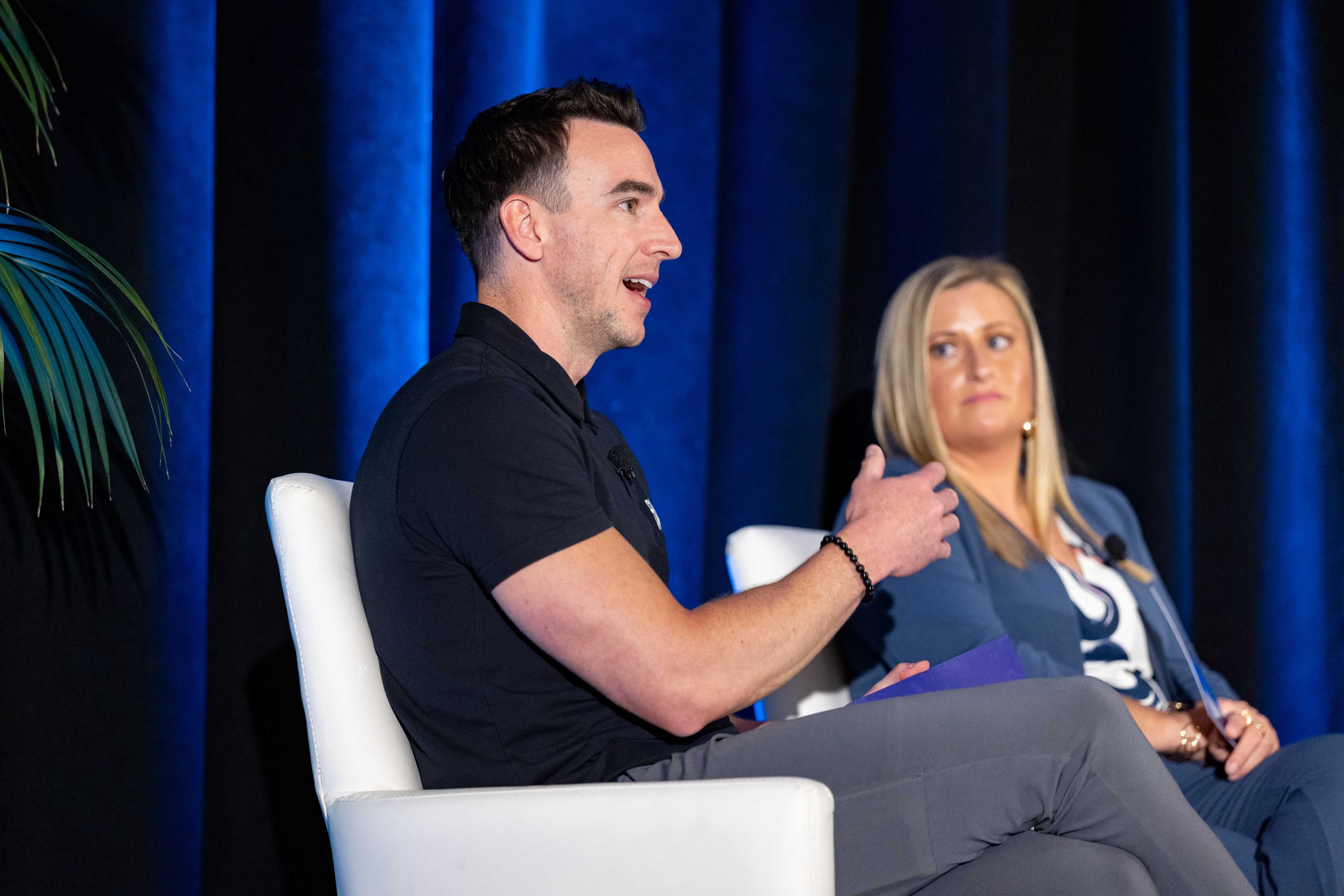
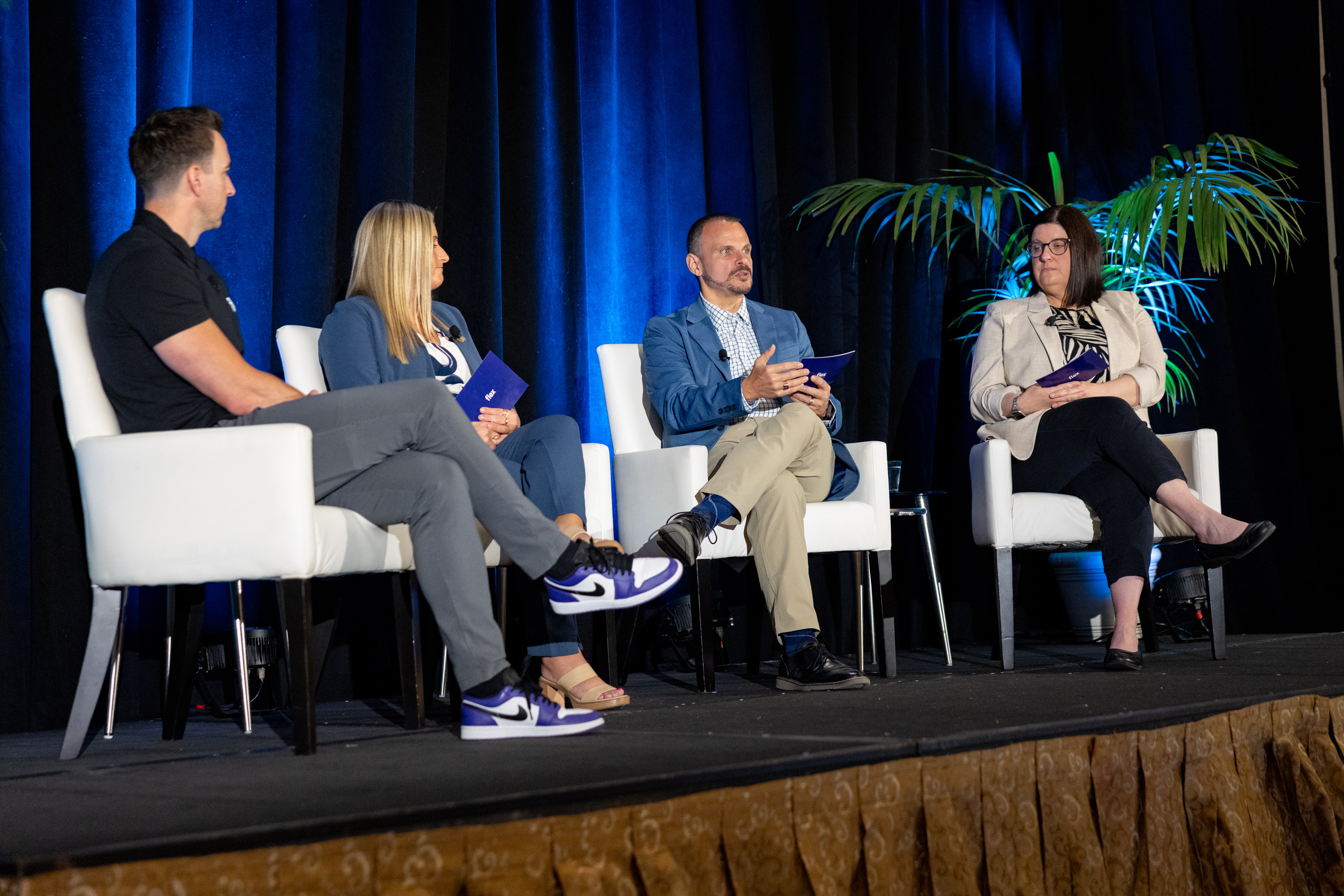
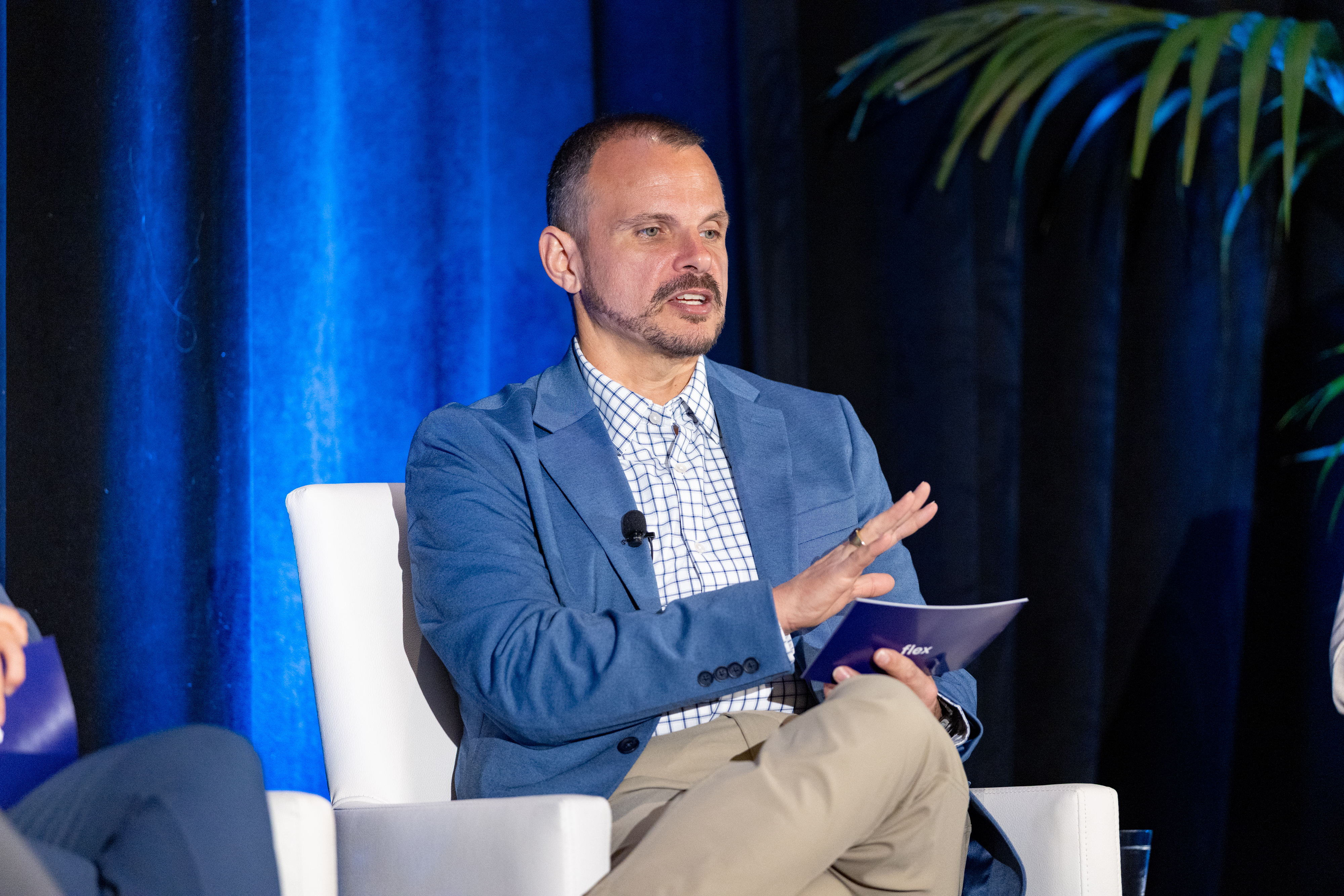
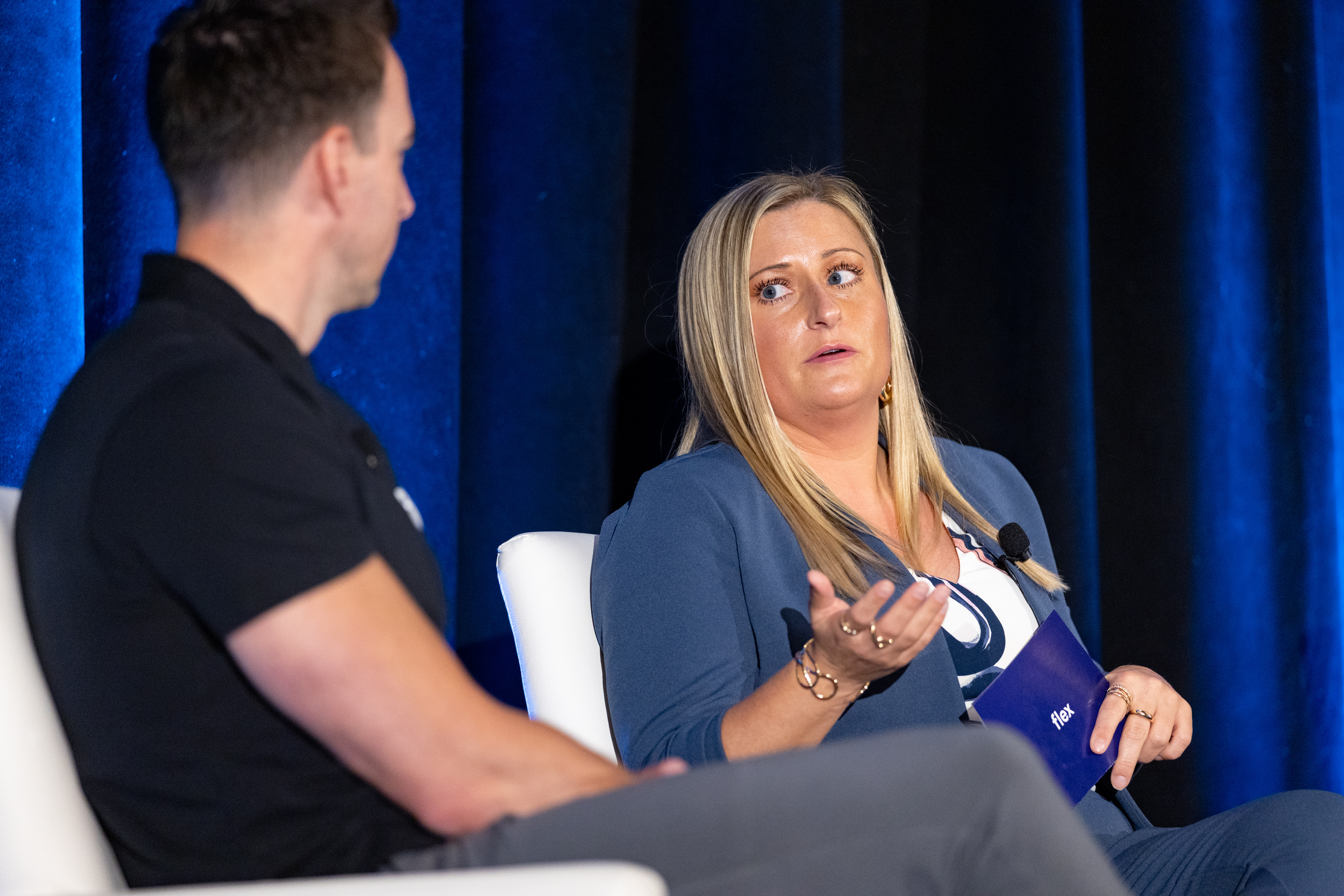
Moderated by Brad Robins of Flex, the panel featured Courtney Bagwell of Cardinal Group Companies, Ryan Raser of GWR Management, and Kristina Super of Berger Communities. The discussion centered on a simple premise: some of multifamily's hidden financial losses come from friction within processes operators can actually control.
For GWR, flexible payments initially addressed a collections challenge. After piloting the program in 2019, Raser saw residents gain flexibility while properties received rent on the first of the month without teams chasing payments. Seven years later, he reported approximately $2.6 million being deposited on the first of each month through Flex.
Berger approached flexibility differently—as a resident benefit. Rather than waiting for delinquency, the company wanted to accommodate residents whose income and bills don't align neatly with rent being due on the first. That flexibility can help otherwise reliable residents avoid late fees and potentially more serious collection issues.
Cardinal similarly treats flexible payments as a resident amenity, particularly for student housing. Bagwell connected the offering to improved renewals, lower turnover and vacancy loss, and fewer negative rent-collection interactions. Removing those tasks also gives onsite employees more time to focus on service and resident relationships.
The panel shared significant operational results. Raser reported an 18% delinquency reduction during GWR's first six months using Flex and a 90.65% decline from peak COVID-era delinquency. GWR's 2025 portfolio retention rate reached 74.3%. Cardinal reported Flex payments growing from approximately $20,000 in April 2023 to $6.37 million in April 2026.

The broader lesson extended beyond flexible payments: improving resident experience can produce operational and financial benefits that ultimately protect NOI.
Key Takeaways
- Reduce friction in rent collection. Making payment easier can benefit residents while improving predictability for operators.
- Treat financial flexibility as an amenity. Residents increasingly expect payment options that align with how and when they earn income.
- Resident experience and NOI are connected. Better payment experiences can influence retention, turnover, vacancy, delinquency, and collections.
- Give onsite teams time back. Fewer collection calls, notices, door knocks, and eviction processes allow teams to focus on residents.
- Optionality matters. Flexible payment programs work as a choice residents can use when needed—not a mandatory replacement for traditional payment.
- Look for hidden operational friction. Challenge legacy processes where improving the customer experience could simultaneously improve financial performance.
Here is the PowerPoint:
Interested in learning more? Check out the other blogs highlighting sessions from AIM 2026:
.gif)