

Small Acts, Big Impact: How Micro-Service Activations Differentiate Communities, Reduce Turnover, and Boost Retention
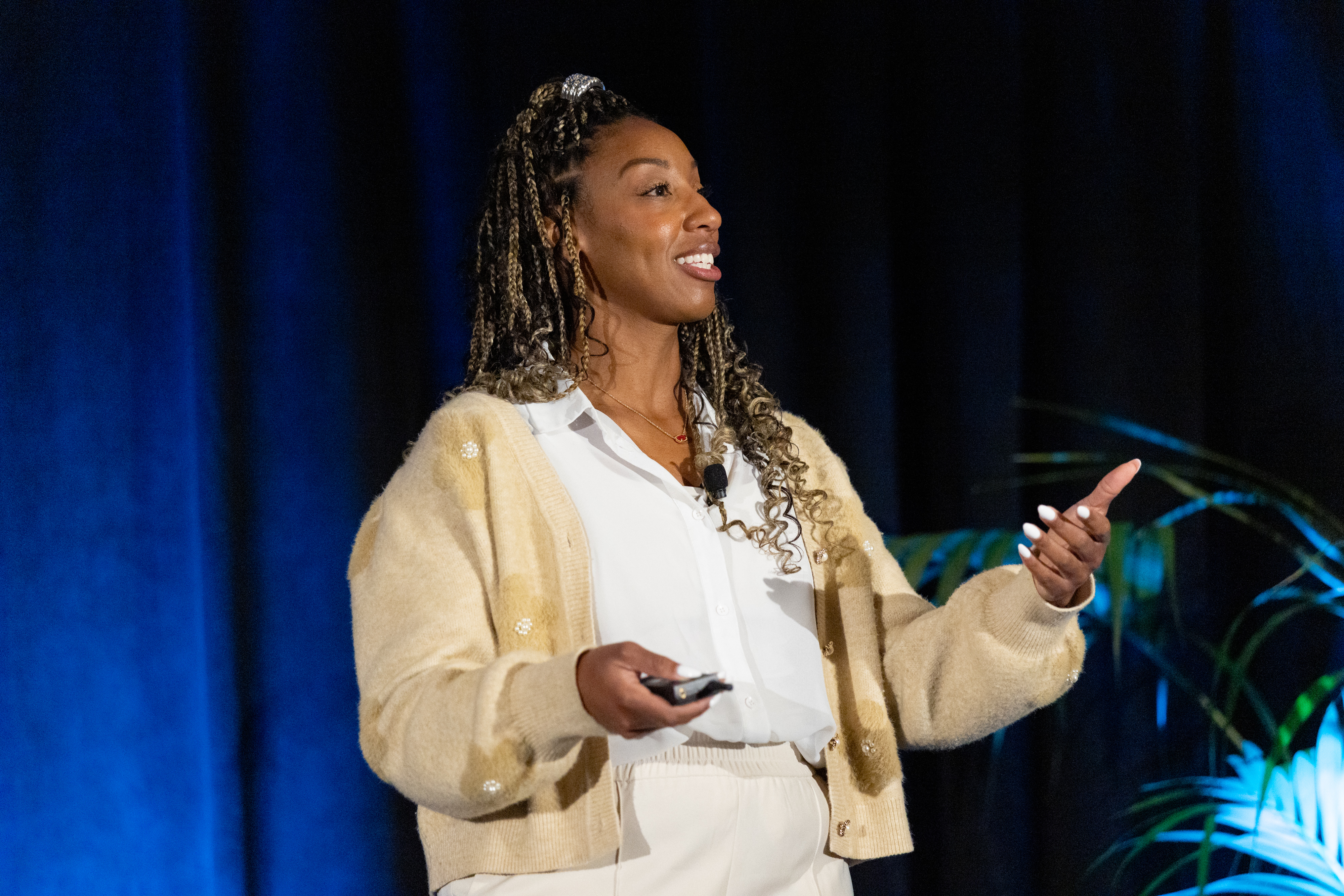
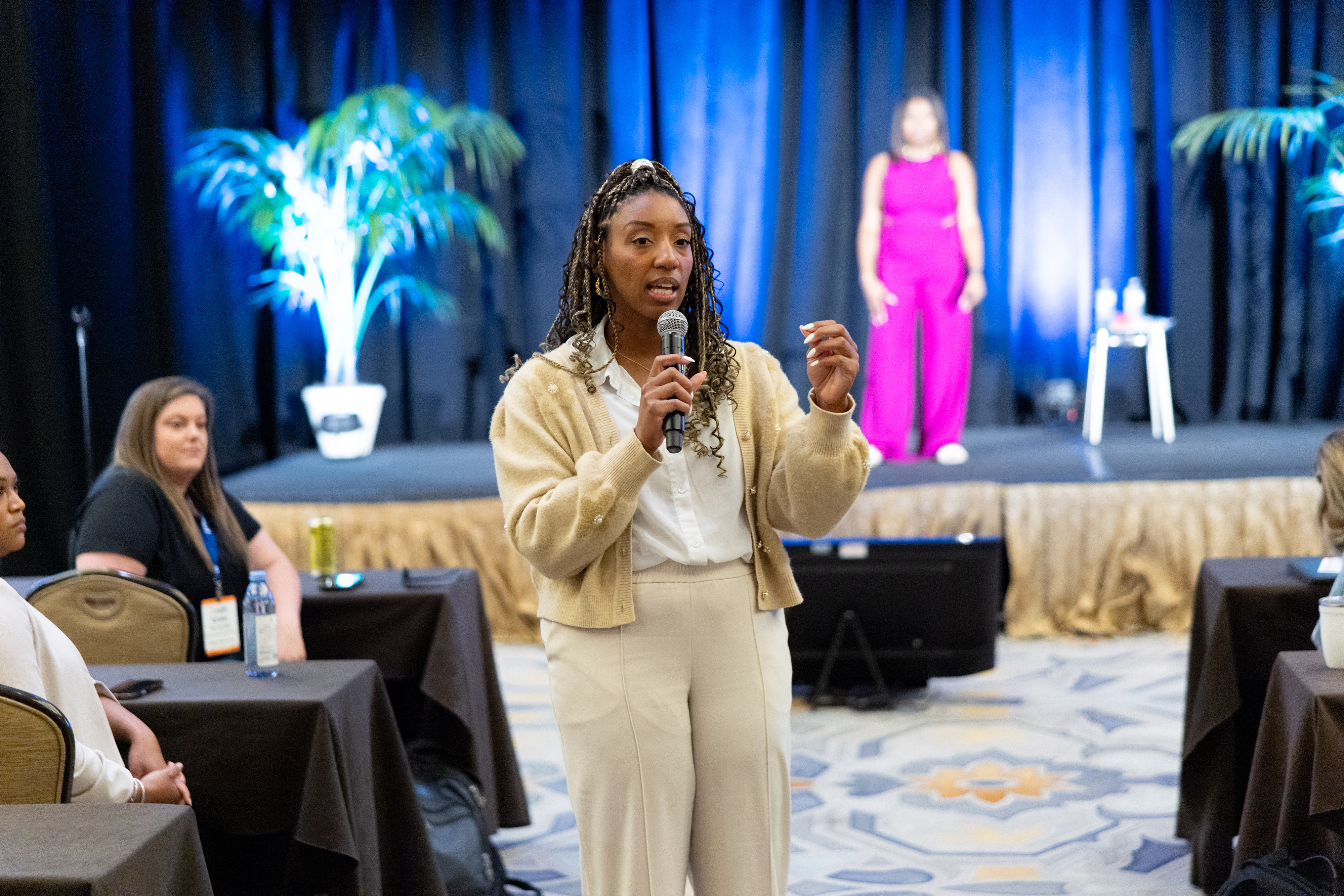
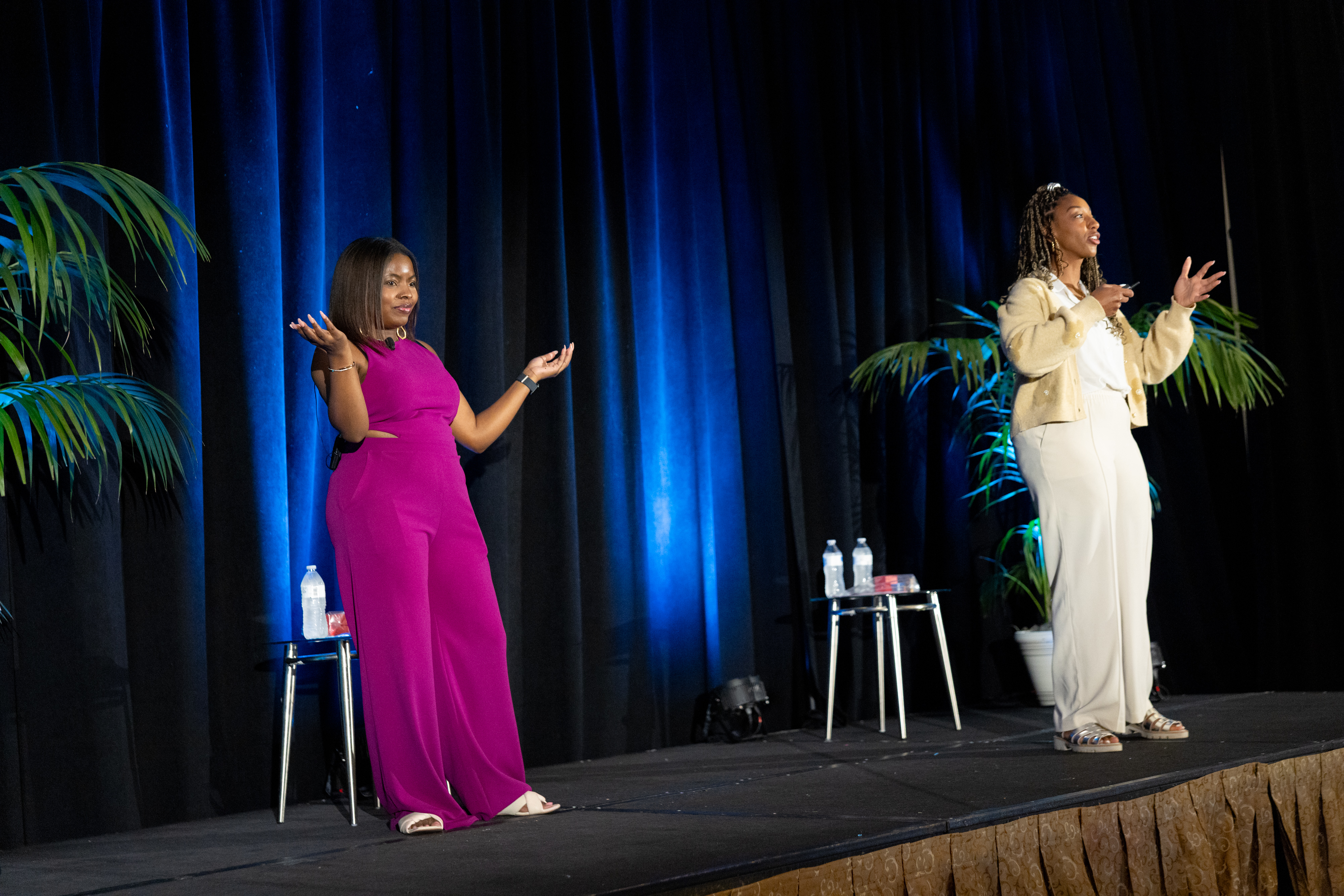
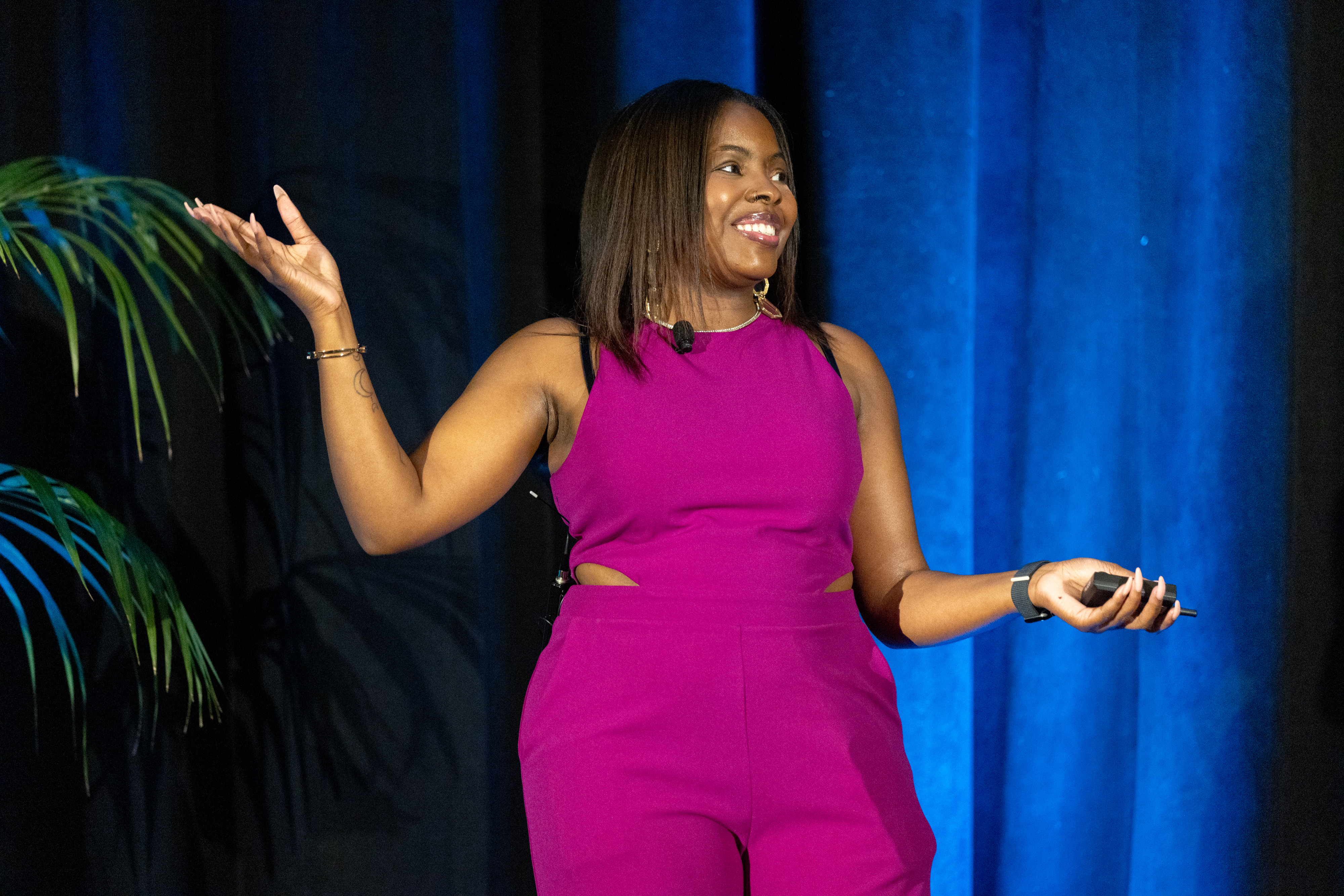
Adalyia Parker, Executive Director for the 29:11 Project, and Alicia Holmes, challenged operators to consider social impact not simply as philanthropy, but as a tool for building stronger connections among employees, residents, and the communities they serve.
Holmes connected the strategy to a significant operational challenge: employee burnout. Multifamily teams are often doing more with fewer people, while continually being asked to adopt new technology and processes. Burnout creates a cascading effect—lower engagement leads to turnover, staffing instability, weaker service, declining resident trust, and ultimately pressure on occupancy and renewals.
The same need for connection applies to residents. As apartment communities increasingly offer similar finishes and amenities, belonging can become a differentiator. Purpose-driven activities give residents something authentic to participate in and talk about, potentially creating organic word-of-mouth while strengthening their connection to the community.
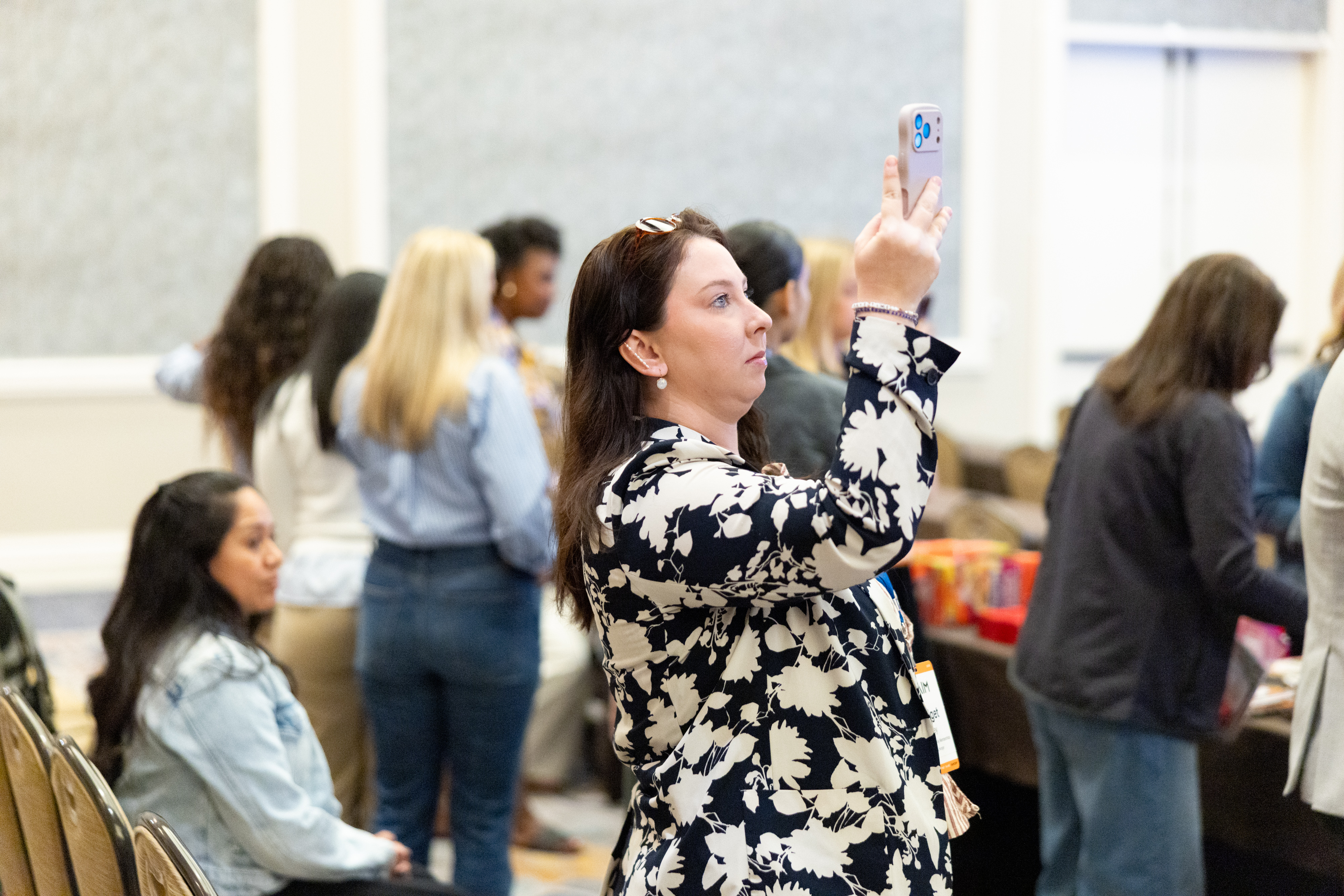
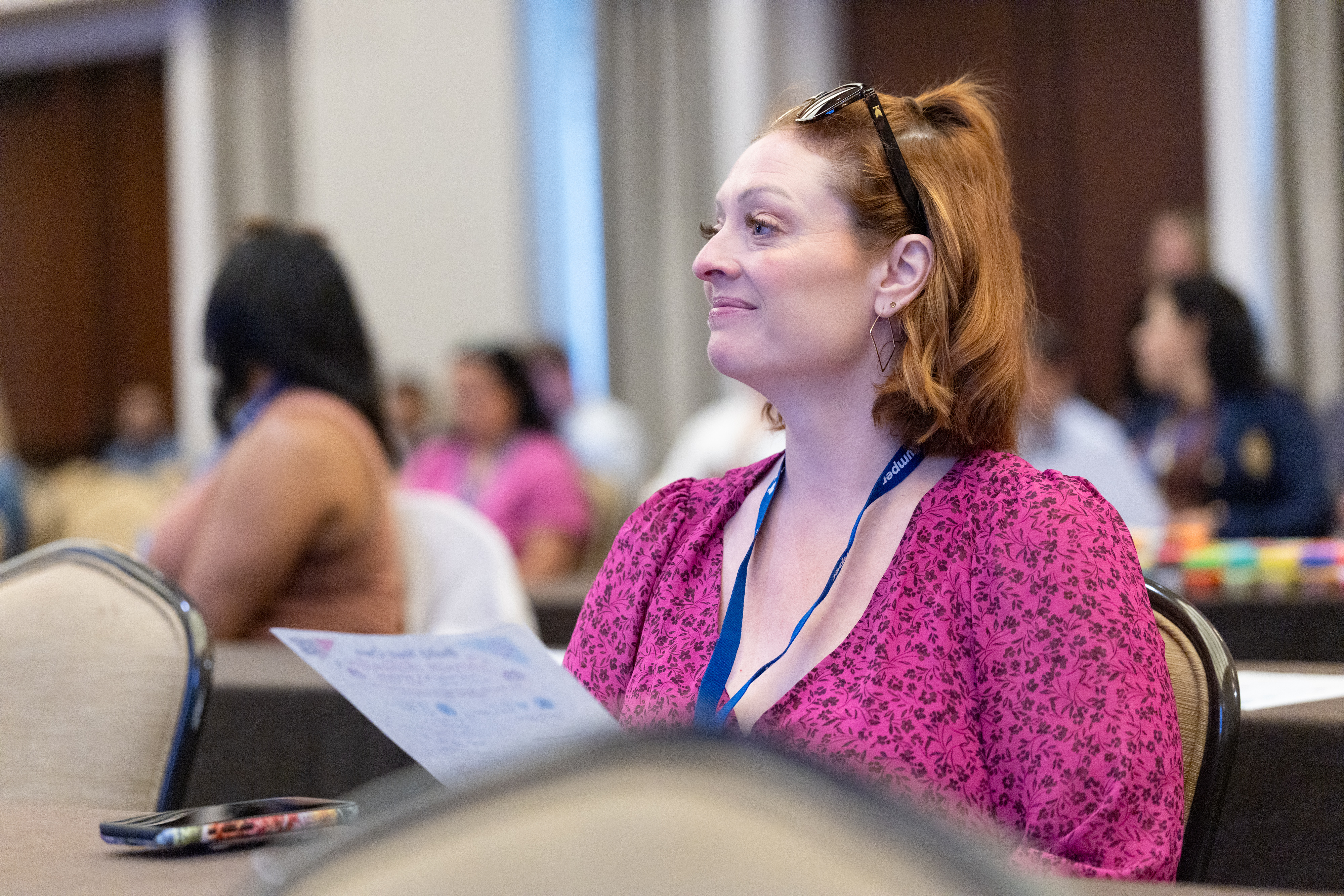
Parker introduced microservice activations: short, low-lift service opportunities that can be incorporated into resident events, team meetings, conferences, or other existing activities. Rather than requiring a major volunteer initiative, these moments are designed to create tangible impact within the time, people, location, and budget already available.
The speakers presented the AIMS framework for creating these programs: Align with an organizational purpose, identify available Inputs, Make something meaningful using those resources, and Share the impact. Sharing includes tracking participation, volunteer hours, outcomes, stories, and other measures that can demonstrate social impact internally and externally.
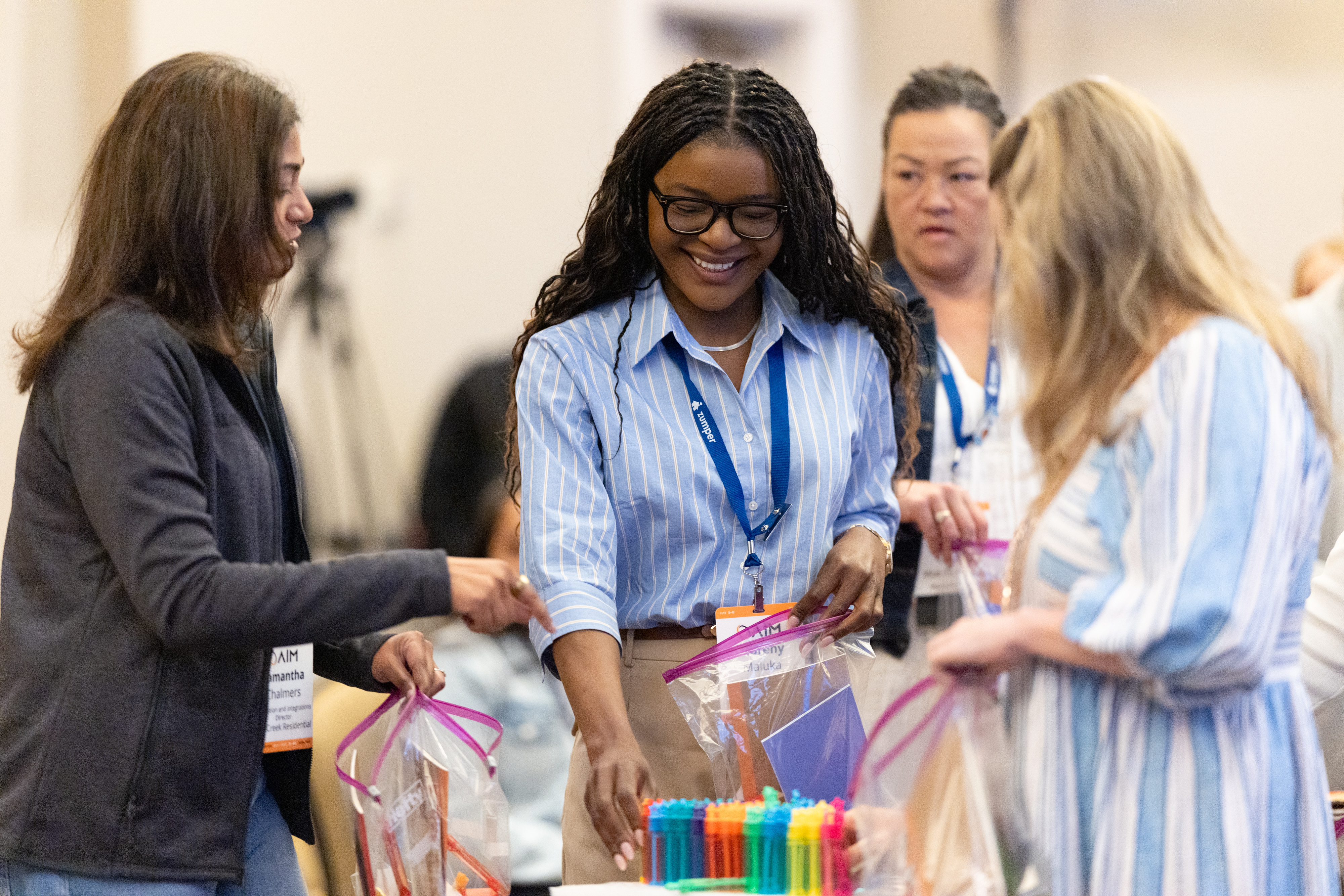
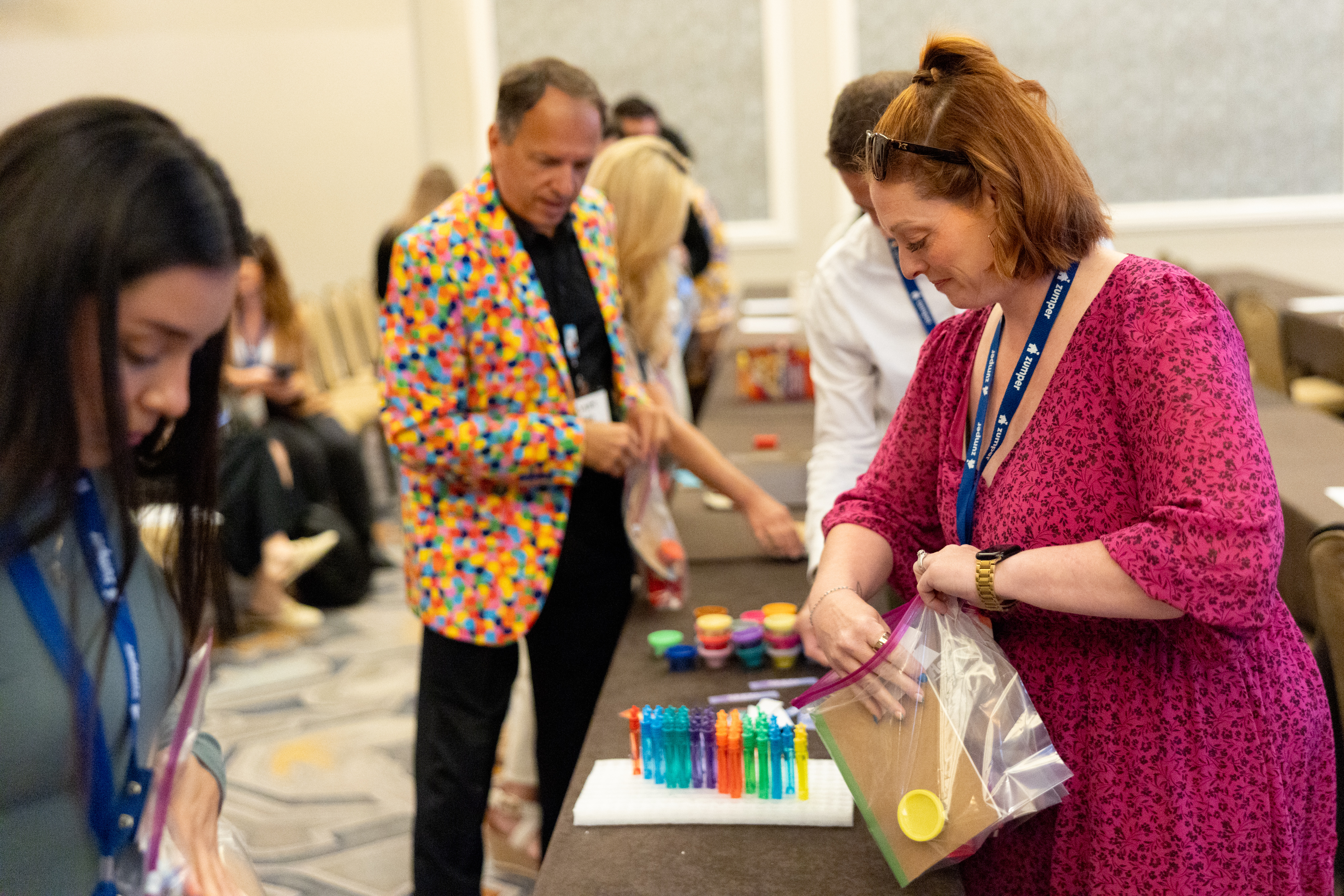
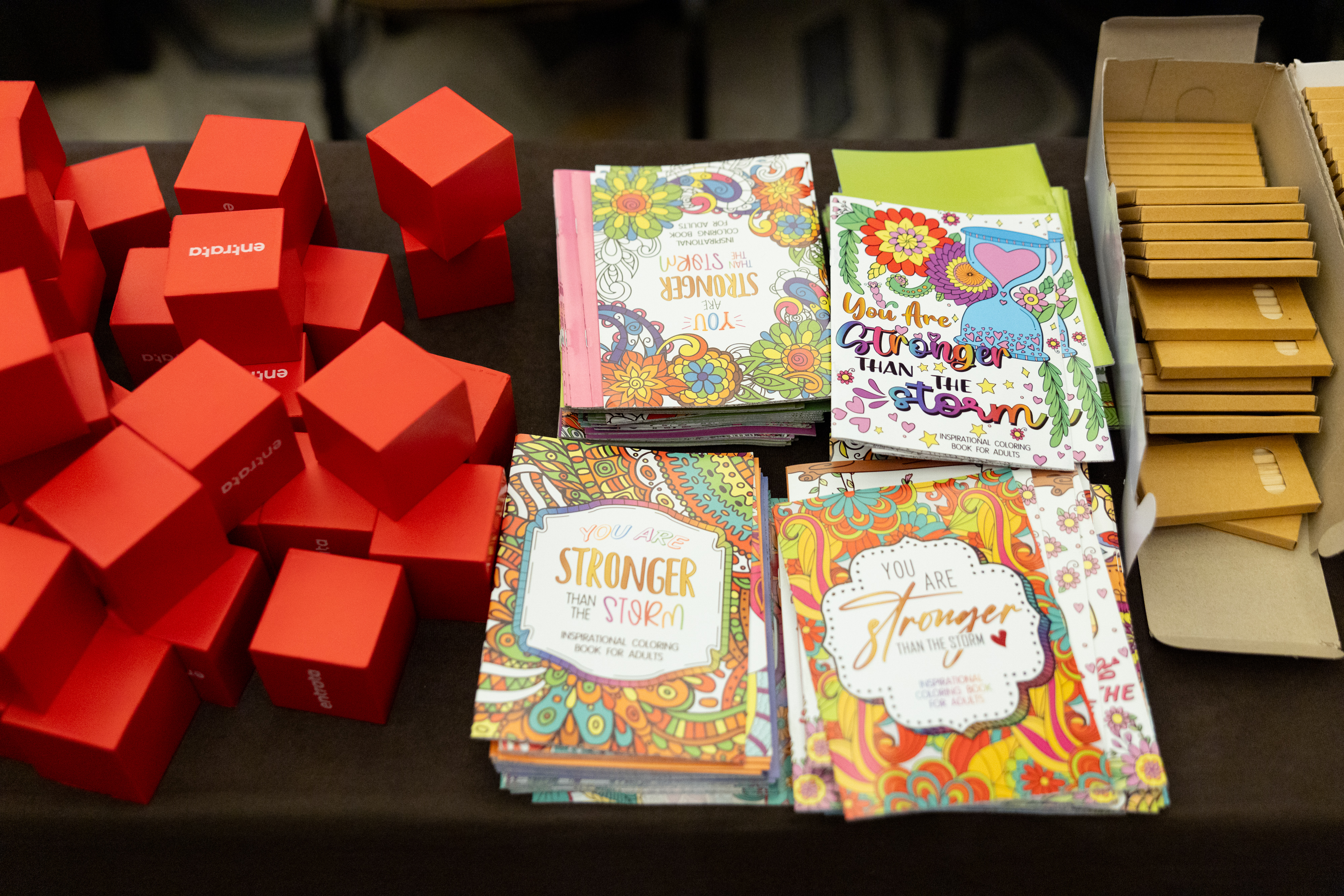
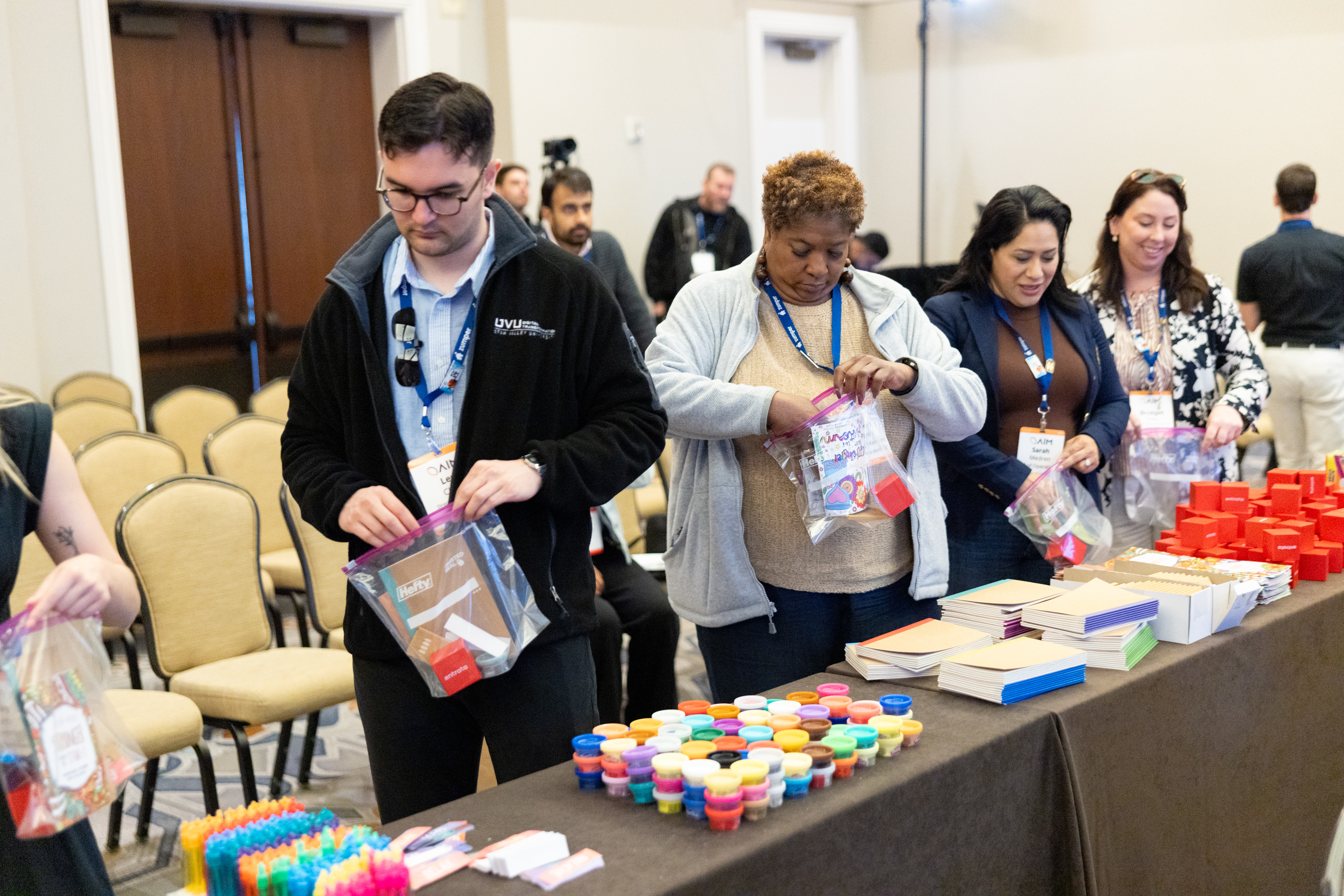
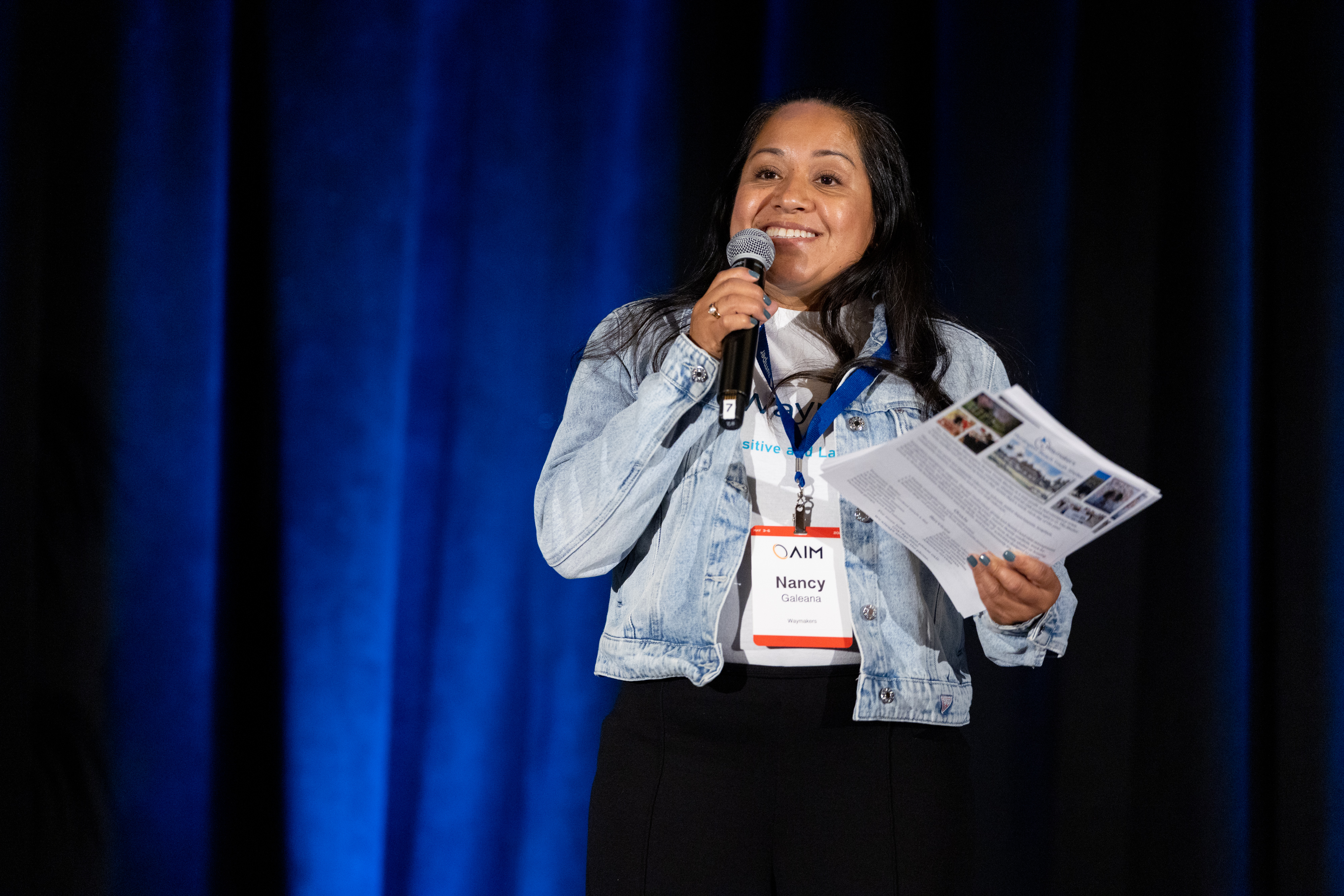
The session demonstrated the concept in real time by having attendees assemble nervous-system regulation kits for local nonprofit Waymakers—showing that meaningful impact can be simple, inexpensive, and repeatable.
Key Takeaways
- Belonging can be an amenity. Purpose and community connection can differentiate otherwise similar apartment experiences.
- Employee engagement affects resident experience. Burnout and turnover eventually show up in service, reviews, occupancy, and renewals.
- Start small. Microservice activations can fit into existing meetings, resident events, or team activities.
- Ask employees what matters to them. Participation is stronger when initiatives align with causes teams genuinely care about.
- Measure social impact. Track participation, volunteer hours, dollars, outcomes, and stories so leadership can understand the value.
- Make it repeatable. Small quarterly or recurring activations can compound into meaningful culture and community impact over time.
Here is the PowerPoint:
Interested in learning more? Check out the other blogs highlighting sessions from AIM 2026:
.gif)