

 From SaaS to RaaS: Why Results Are the Only Solution That Matters
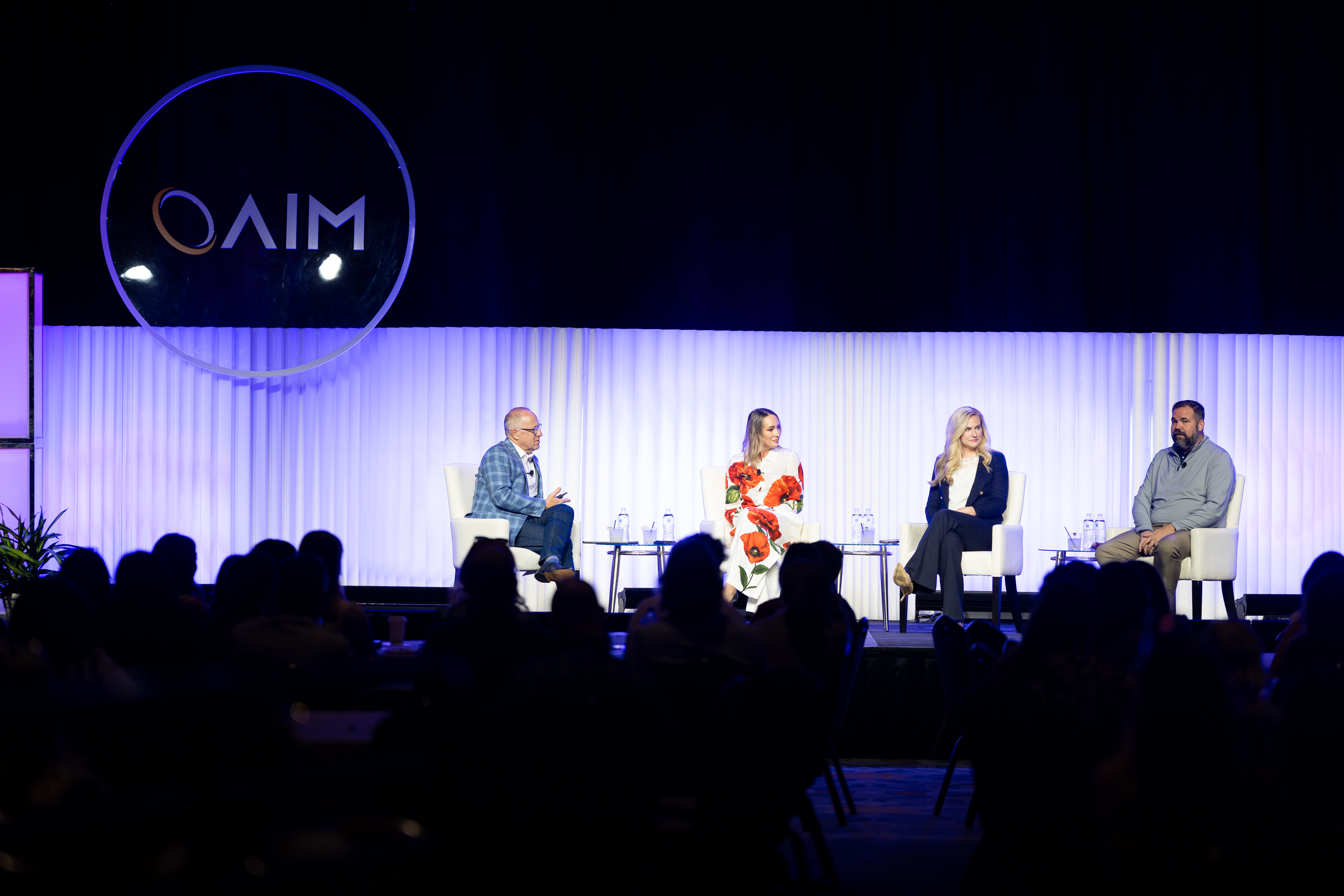
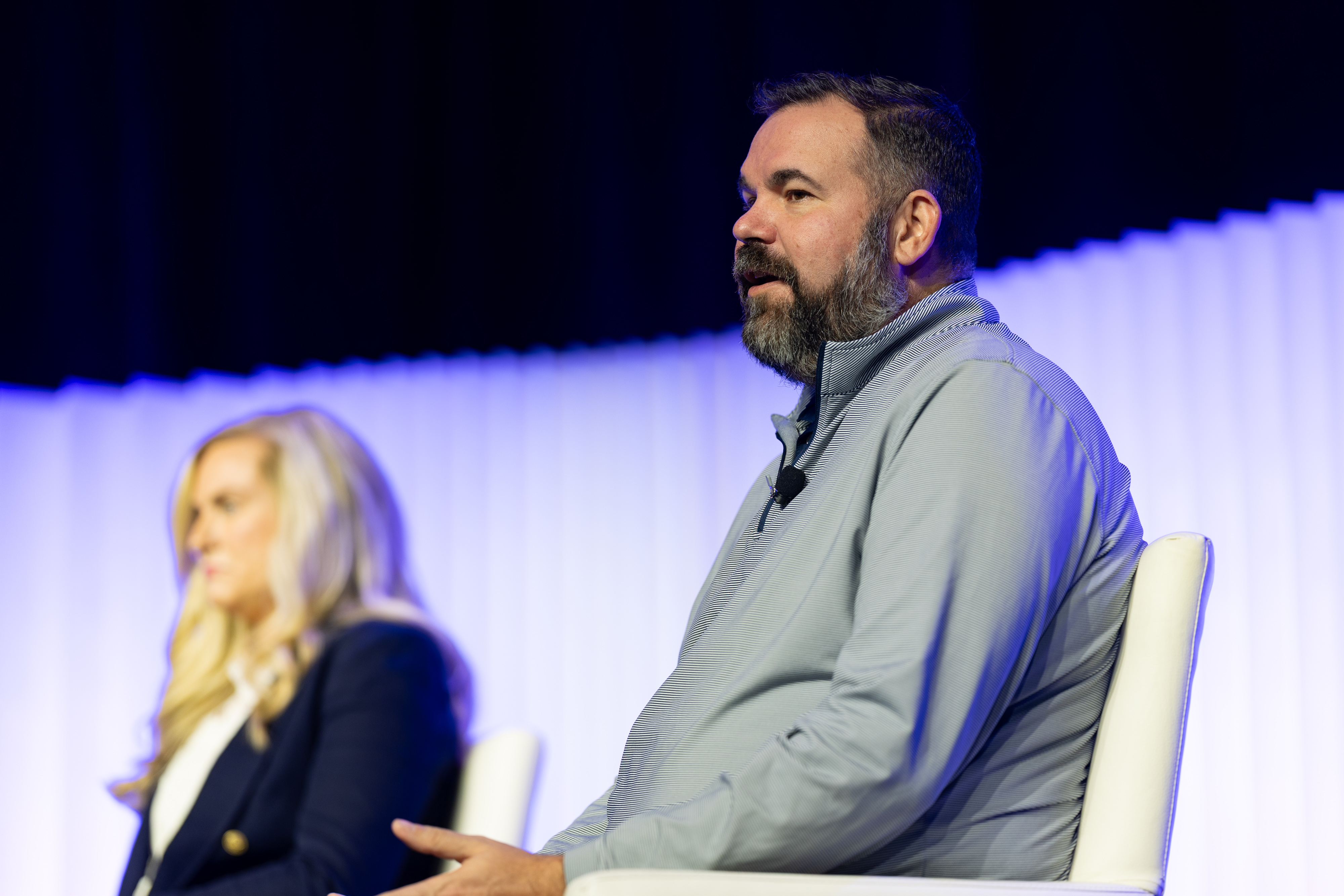
Moderated by Scott Allan of Property Vista, the panel featured Leah Downie of Gallery Residential, Chelsea Proehl of RangeWater, and Ian Bingham of Daniel Management Group. Their central argument was that the industry has spent years chasing technology features, often creating tech fatigue for employees and digital friction for residents. The next phase should focus on what technology actually accomplishes.
Early examples demonstrate where AI can create tangible value. Gallery developed an AI lease-audit tool that eliminated hours—and potentially weeks—of manual work. RangeWater automated reporting that previously required more than 400 hours to aggregate and validate data. Bingham pointed to efficiencies in maintenance, renewals, delinquency, and business intelligence that give employees more time to serve residents.
But efficiency cannot come at the expense of trust. AI needs brand-specific training and seamless handoffs to onsite employees. Downie shared a painful example: a prospect arrived asking for “Willow,” the AI assistant that scheduled her tour, only to have an employee respond, “Willow doesn't work here.” The disconnect destroyed trust and cost the property the lease.

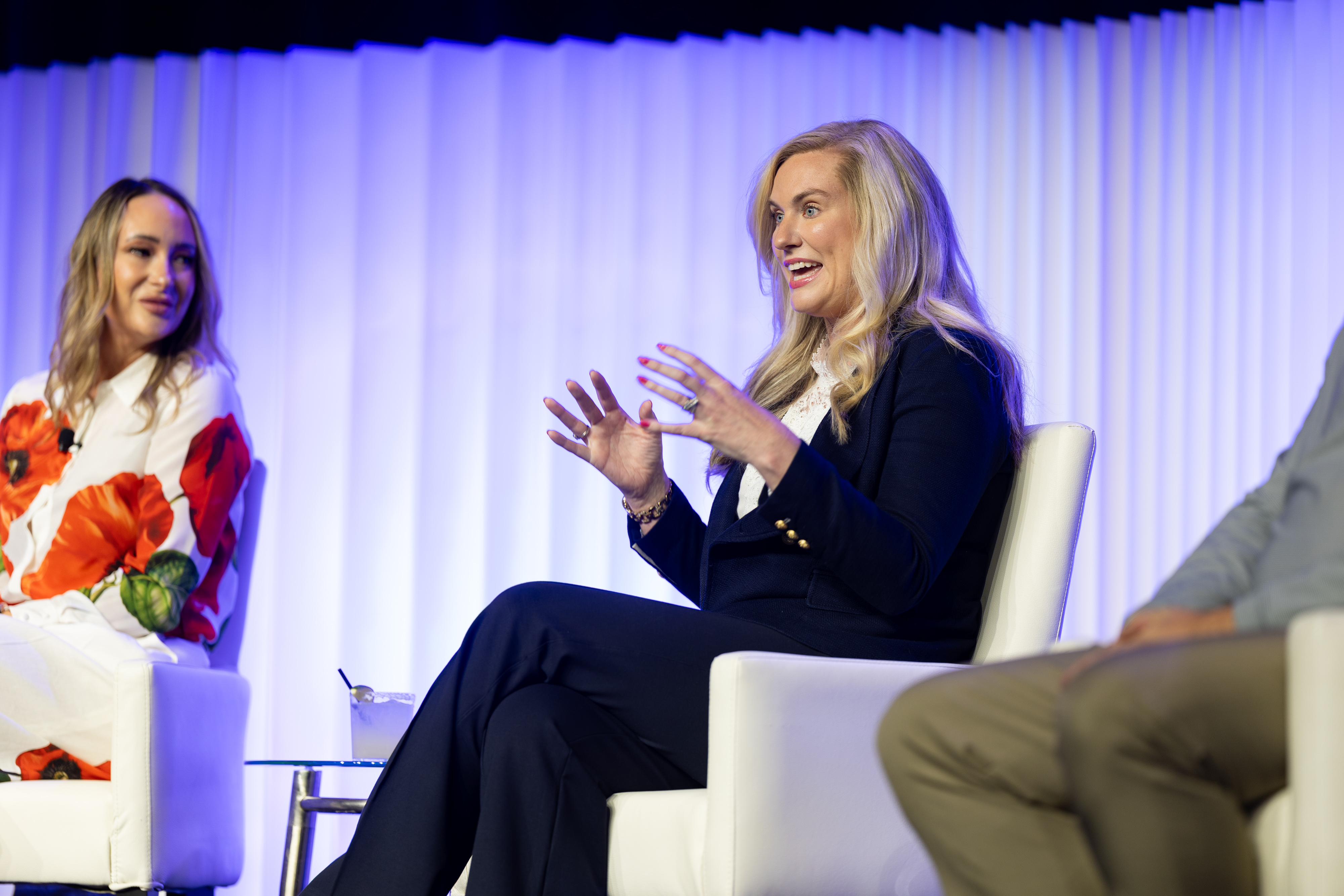
The panel disagreed somewhat on exactly where automation should stop, reflecting different renter preferences. Some prospects want human interaction during major decisions; others would happily tour, lease, pay rent, and submit work orders without speaking to anyone. The goal should therefore be choice, using technology and people to meet customers where they are.
Measuring AI also requires moving beyond cost-per-door. Operators should evaluate conversion, lead-to-lease performance, employee time saved, renewal impact, resident satisfaction, and ultimately financial return.
Key Takeaways
- Buy outcomes, not features. Technology should improve NOI, conversion, collections, efficiency, or resident experience.
- Give employees time back. Automation's value may be freeing teams for higher-value resident interactions—not reducing headcount.
- Design seamless handoffs. AI and onsite teams must share context so residents never feel they are restarting the conversation.
- Meet renters where they are. Provide both digital autonomy and human interaction rather than forcing everyone through one journey.
- Demand accountability from partners. Ask vendors what their technology cannot do and require measurable goals and timelines.
- Keep humans where humanity matters. Relationship-building, empathy, customer service, and high-stakes problem solving become more valuable—not less—as AI expands.
Here is the PowerPoint:
Interested in learning more? Check out the other blogs highlighting sessions from AIM 2026:
.gif)