



 The Proptechcellent Adventure: 2026 A Leasing Odyssey (The Dawn of the Super-Agent)
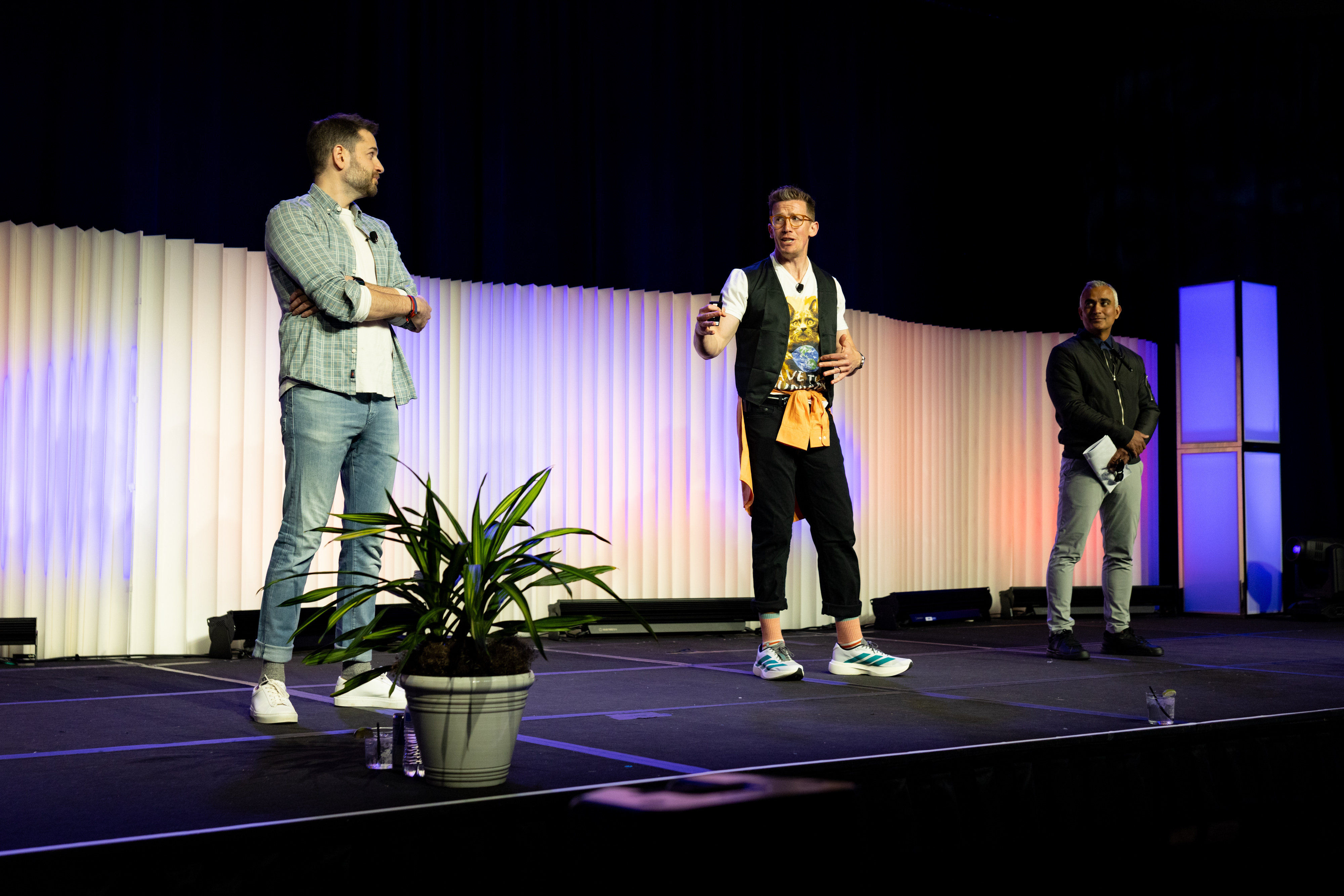
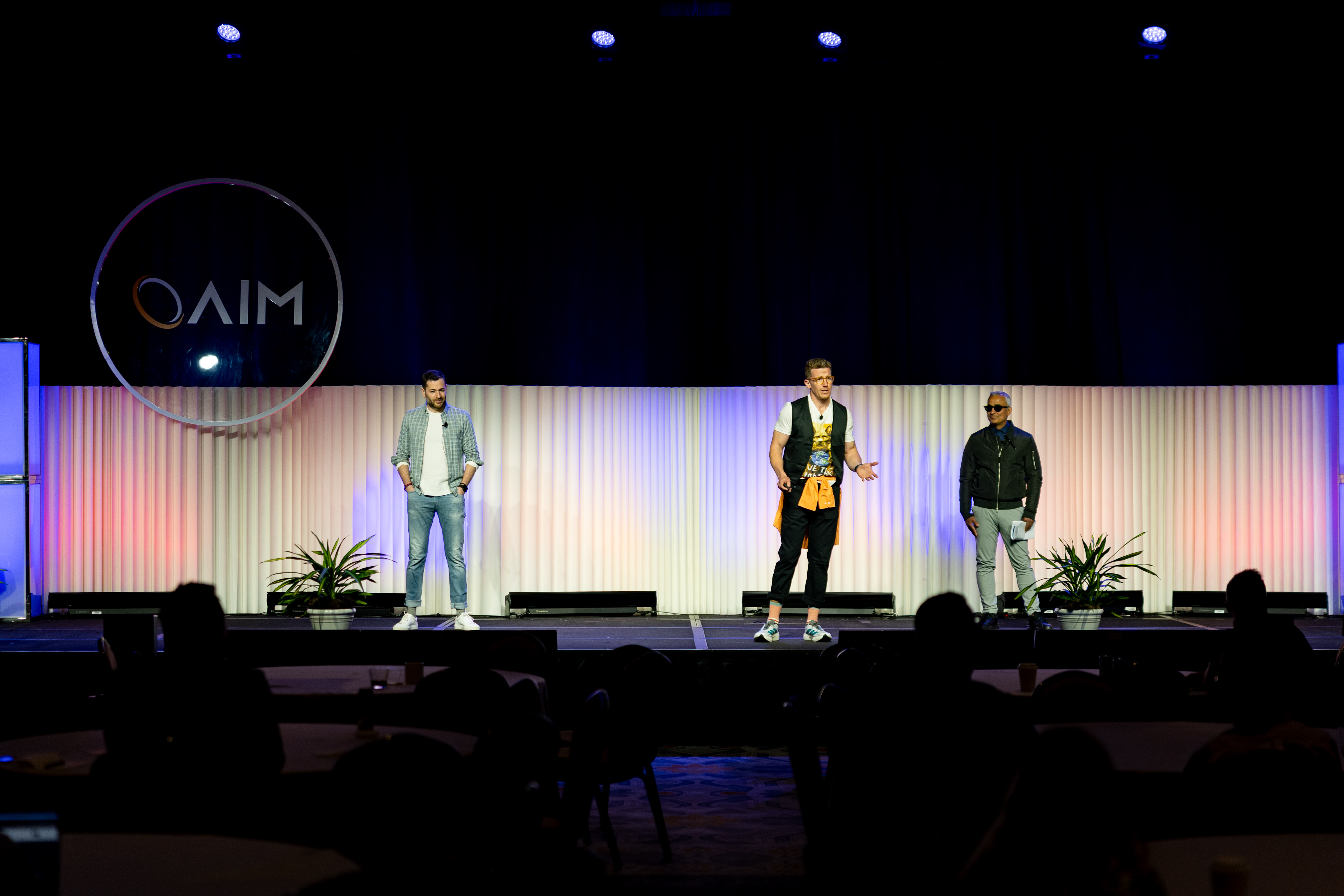
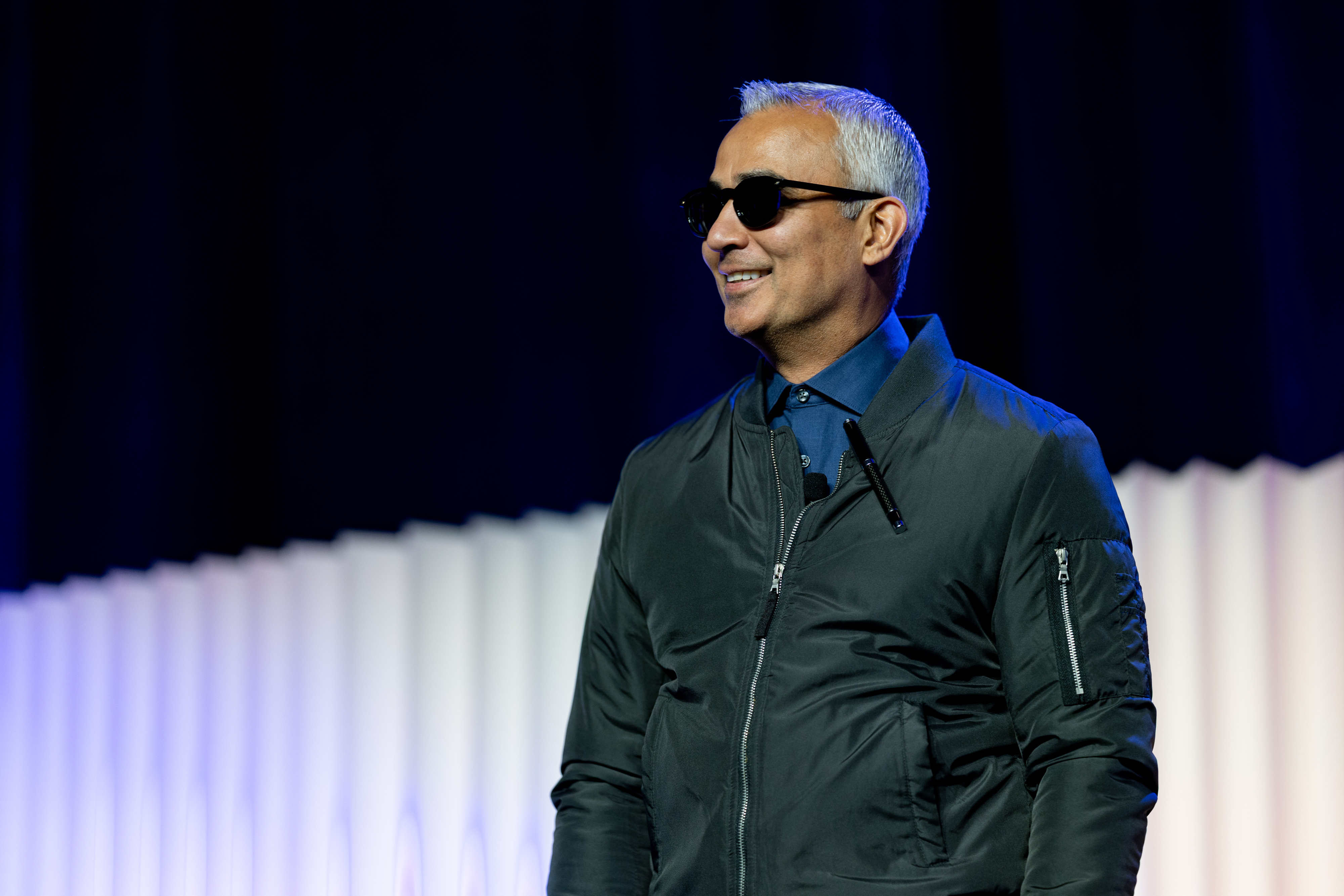
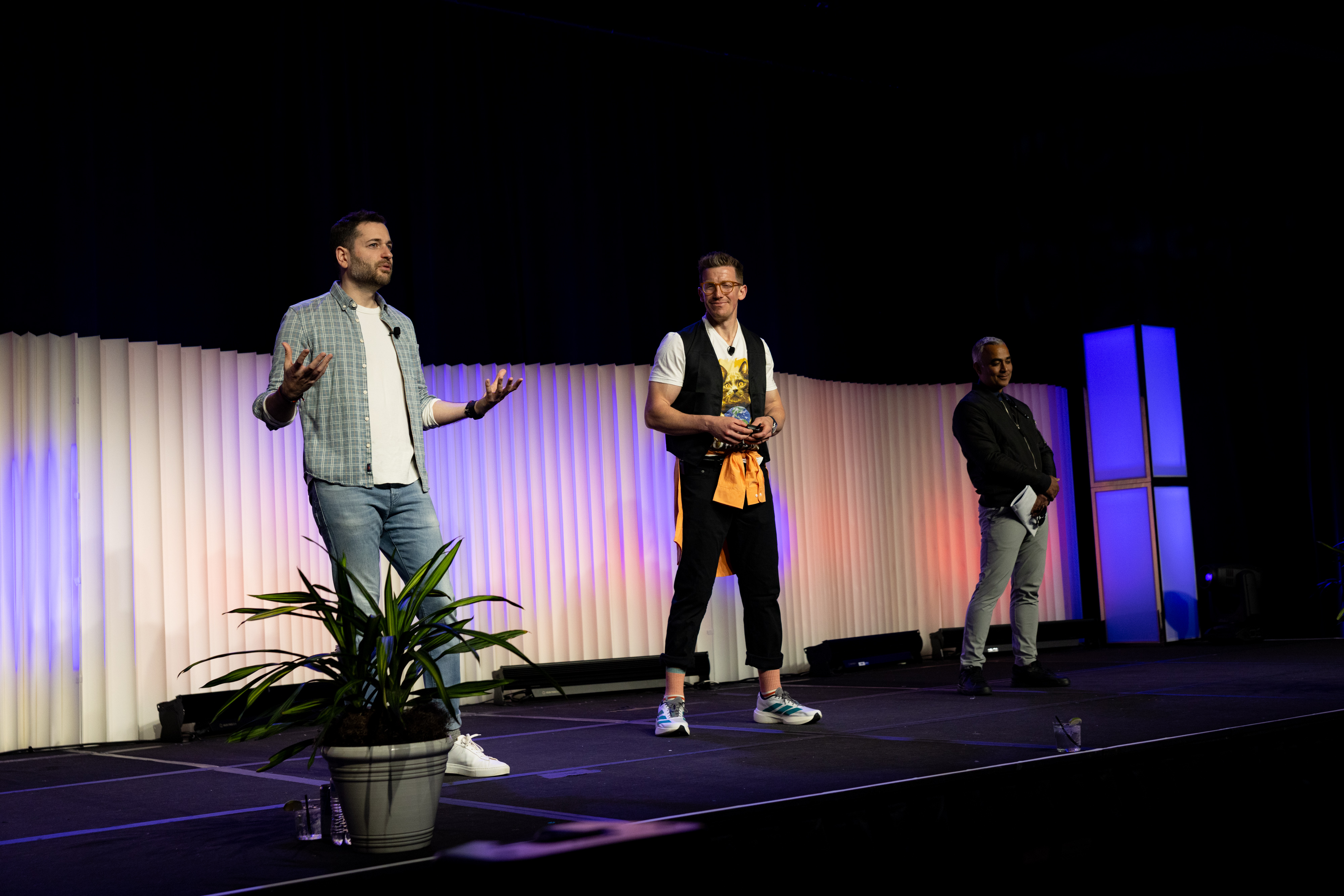
Brad Kirshenbaum, Mark Zikra, and Girish Gehani took attendees on a “PropTechcellent Adventure” through the evolution of the leasing professional. Their premise: multifamily has digitized many old processes without fundamentally redesigning the job around what modern technology makes possible.
Today's leasing professionals may juggle dozens of systems while simultaneously trying to create a great customer experience. The speakers described employees as the “human API” connecting these technologies—often leaving them anxious, panicked, and irritated.
AI can remove significant administrative work. One panelist reported 43,000 automated prospect messages in Q1, representing an estimated 3,500 employee hours saved. But the critical question isn't how many hours technology saves; it's what organizations intentionally do with that capacity.

That requires rethinking hiring. If AI manages follow-up, data entry, scheduling, and organization, operators may no longer need to prioritize those skills as heavily when hiring leasing professionals. Instead, relationship-building, sales ability, empathy, personality, judgment, and human connection become increasingly valuable.
Training must change too. Too much multifamily onboarding teaches employees where to click rather than how to sell, communicate, solve problems, or build relationships. AI-enabled coaching can analyze tours and calls, provide immediate feedback, and make training more continuous and personalized.
Successful technology adoption also requires employee involvement. The speakers advocated innovation committees, pilots involving both enthusiasts and skeptics, open feedback channels, and onsite participation before portfolio-wide implementation.
Ultimately, AI may allow the leasing role to come full circle: less administration and more human connection.
Key Takeaways
- Rewrite the leasing job description. If technology changes the work, roles, expectations, and performance measures should change with it.
- Hire for what AI can't easily replicate. Prioritize sales ability, empathy, judgment, creativity, and relationship-building.
- Train people, not just software users. Reduce “click here” training and invest more in communication, feedback, selling, and other human skills.
- Give saved time a purpose. Redirect capacity toward tours, residents, retention, property experience, and community-building.
- Bring onsite teams into technology decisions. Employees closest to the work can identify problems executives and vendors may miss.
- Buy technology to solve actual friction. Start by asking employees what they dislike most about their jobs, then evaluate whether the problem requires better technology, training, or process.
Here is the PowerPoint:
Interested in learning more? Check out the other blogs highlighting sessions from AIM 2026:
.gif)
.png)