



AI Readiness, Governance, and Operational Integrity: Preparing Multifamily Teams for the Next Wave of AI
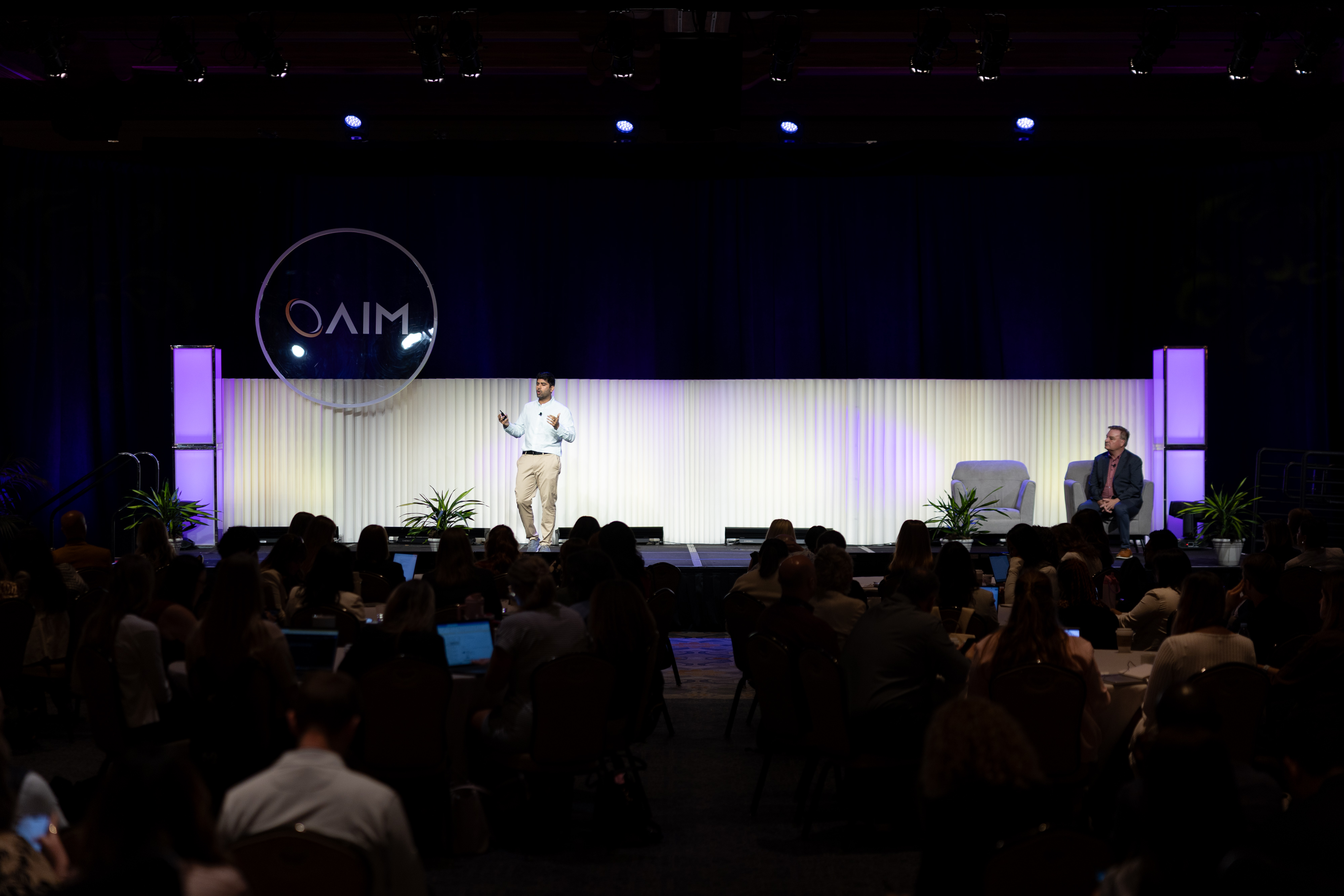
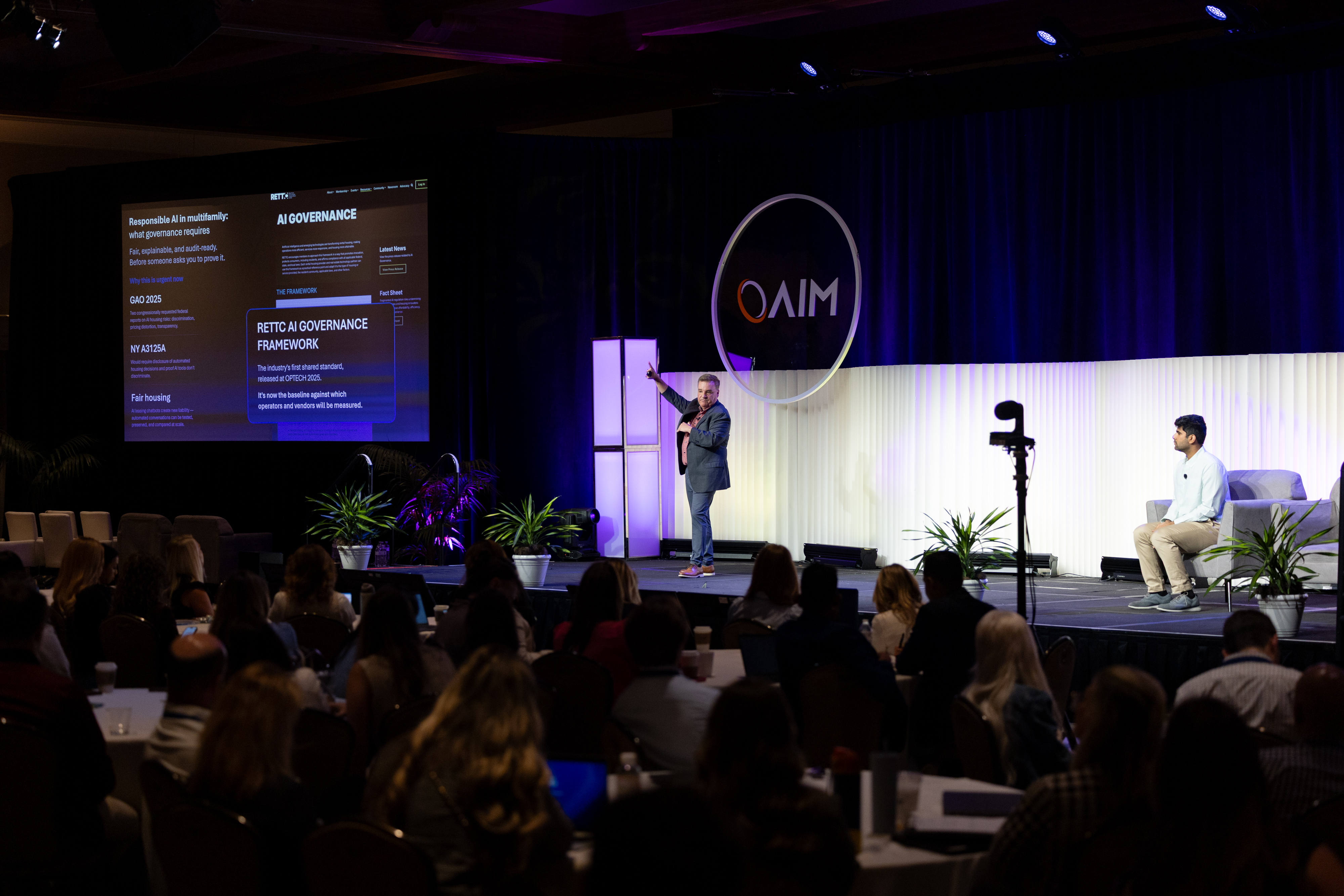
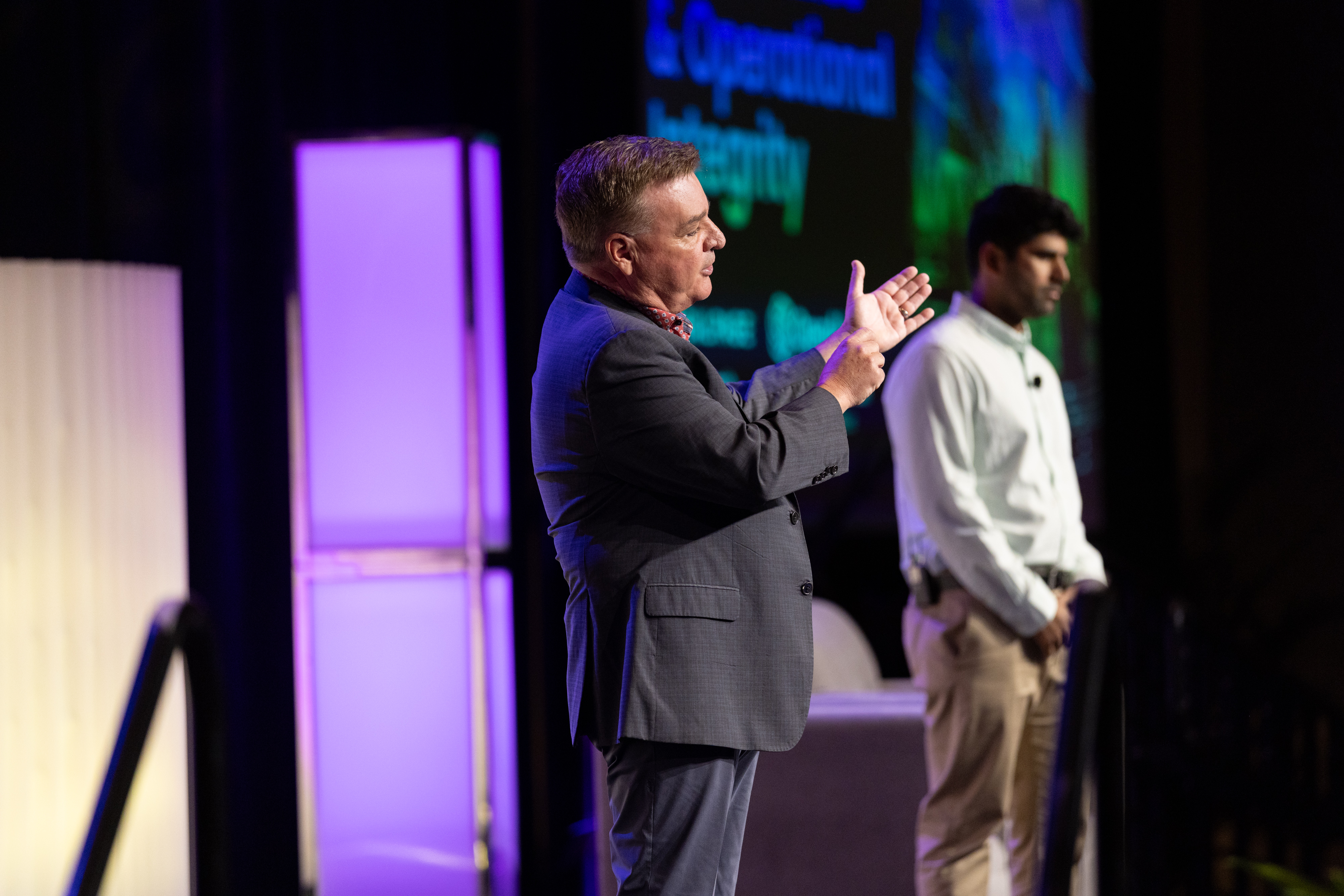
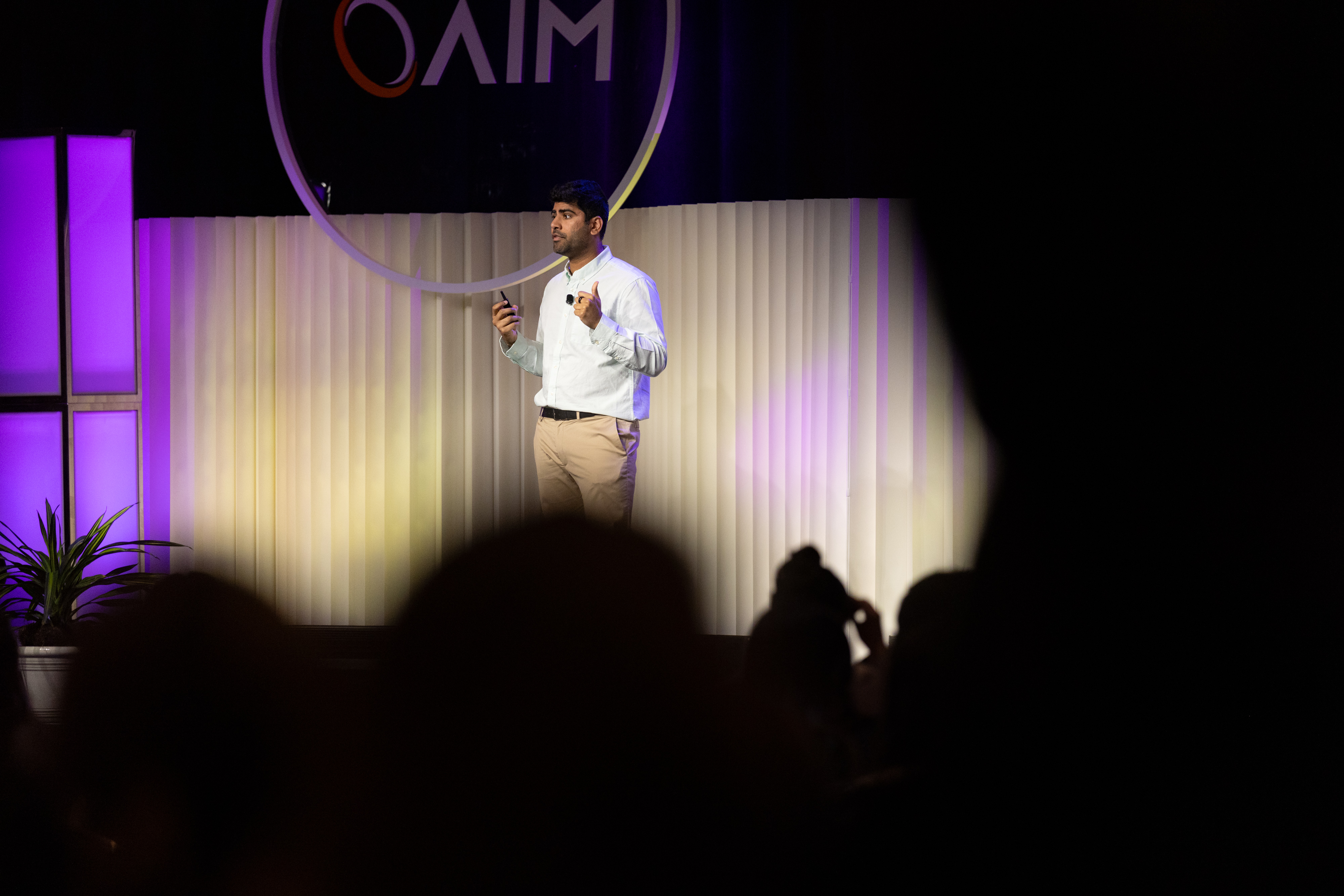
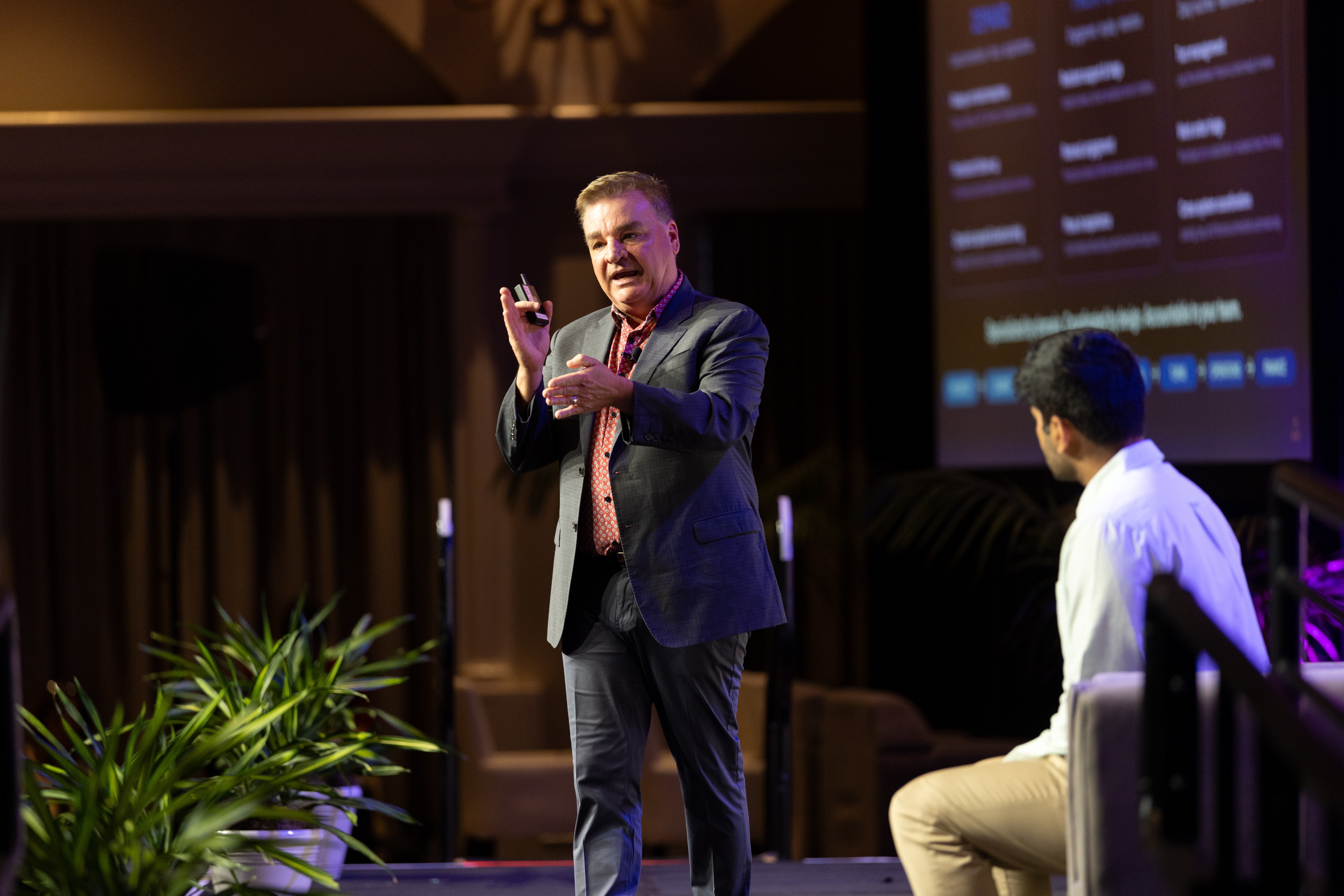
Lance French, CIO at RealPage, and Anurag Sakhamuri, AI Deployment Engineer at OpenAI, examined the next stage of enterprise AI: moving beyond chatbots toward agents capable of reasoning, using tools, completing tasks, and eventually working with other AI agents. For multifamily, that could mean digital coworkers operating across leasing, resident services, operations, and other workflows.
But the speakers stressed that simply automating existing processes misses much of AI's potential. Organizations should instead rethink workflows from beginning to end and determine which responsibilities belong to humans, which can be autonomous, and which require humans and AI working together.
That distinction becomes especially important in multifamily because AI can increasingly automate judgment, not just repetitive tasks. Fair housing, accessibility, affordability, privacy, screening, and state-specific regulations create situations where an incorrect decision can carry significant consequences. Human oversight therefore needs to be intentionally designed into workflows rather than treated as an emergency backup.
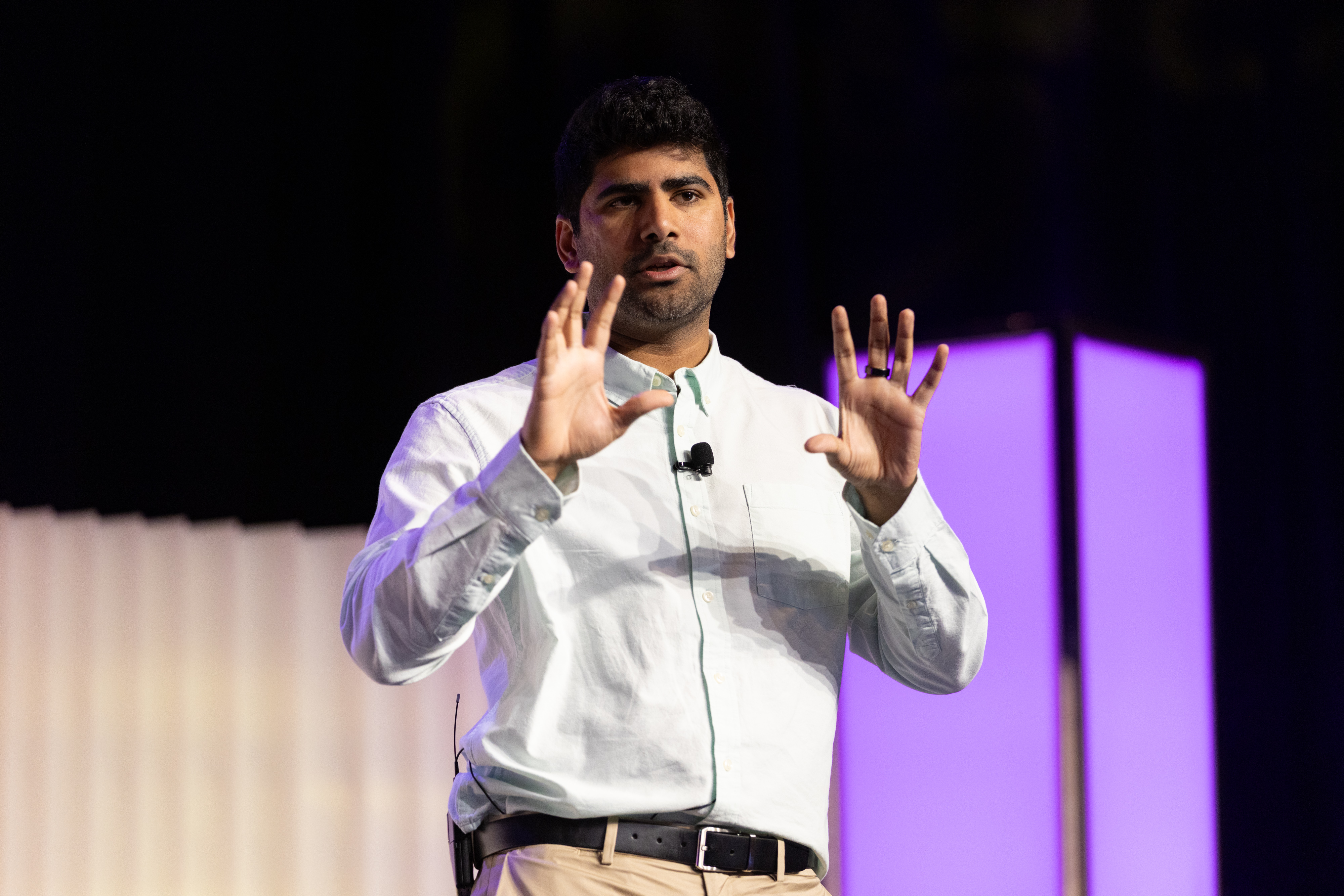
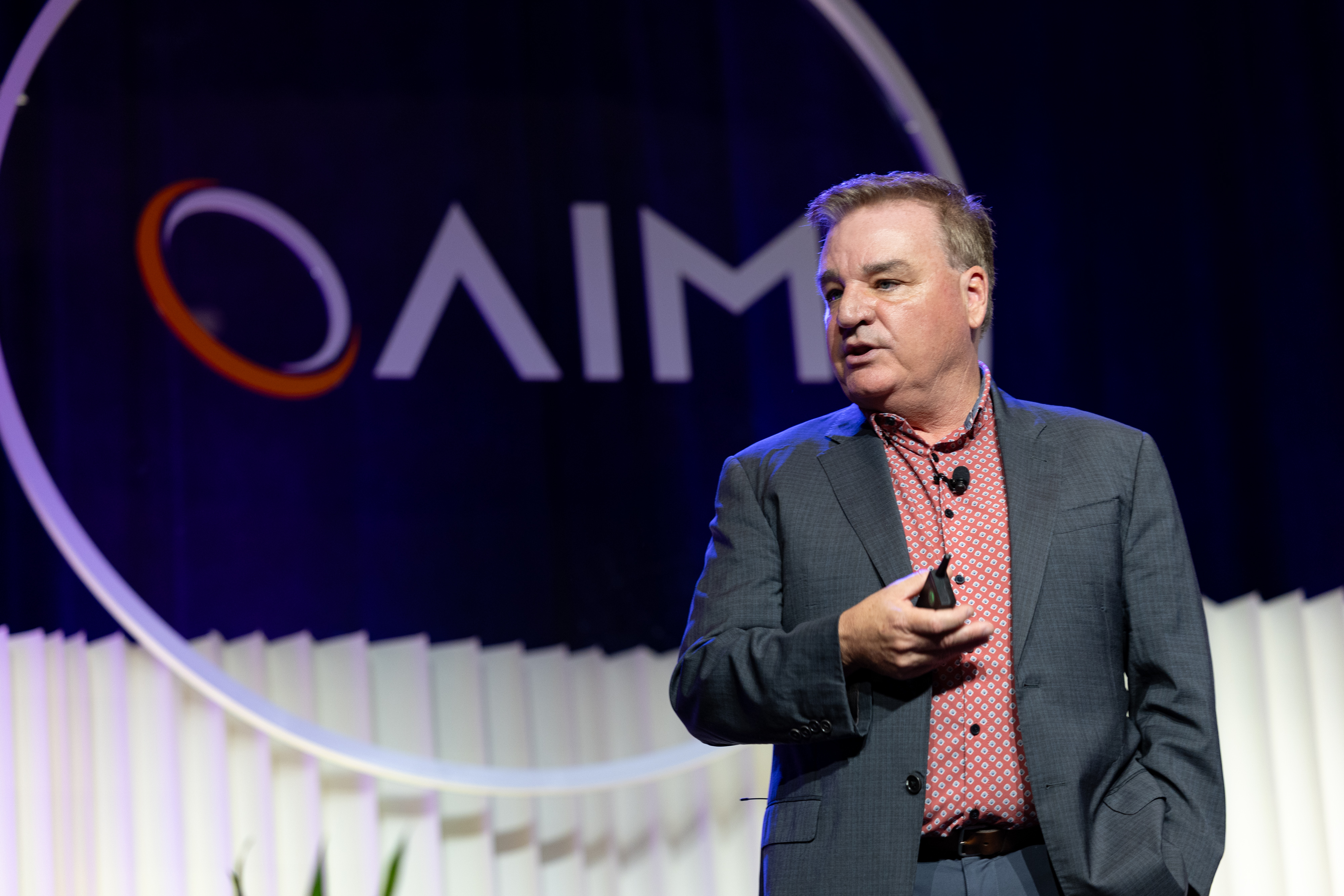
The panel also challenged operators to change how they evaluate technology partners. A compelling demonstration does not prove that an AI system is production-ready. Operators should understand how vendors test models, protect data, monitor outputs, respond to incidents, prevent bias, manage regulatory requirements, and detect failures.
As French emphasized, “The goal isn't zero failure. The goal is zero undetected failure.”
OpenAI's Anurag described a continuous evaluation approach: test AI extensively before deployment, then continue monitoring real-world interactions for conversational quality, compliance, guardrail performance, and other critical measures. Problems should trigger review and correction, creating an ongoing feedback loop between testing and production.

The opportunity is significant, but responsible scale requires operators to move quickly and deliberately.
Key Takeaways
- Don't just automate old processes. Use AI adoption as an opportunity to redesign workflows and the resident journey.
- Define the human-AI relationship. Decide which tasks remain human, which become autonomous, and where human approval is required.
- Governance must scale with autonomy. AI that makes decisions requires stronger monitoring, compliance, security, and controls.
- Ask vendors to “show the work.” Require evidence of testing, model governance, data protection, cybersecurity, and incident response.
- Measure business outcomes. Start with a specific use case tied to NOI, efficiency, conversion, or revenue.
- Pilot with a measurement plan. Test quickly, learn from actual performance, and expand only when the results and controls support it.
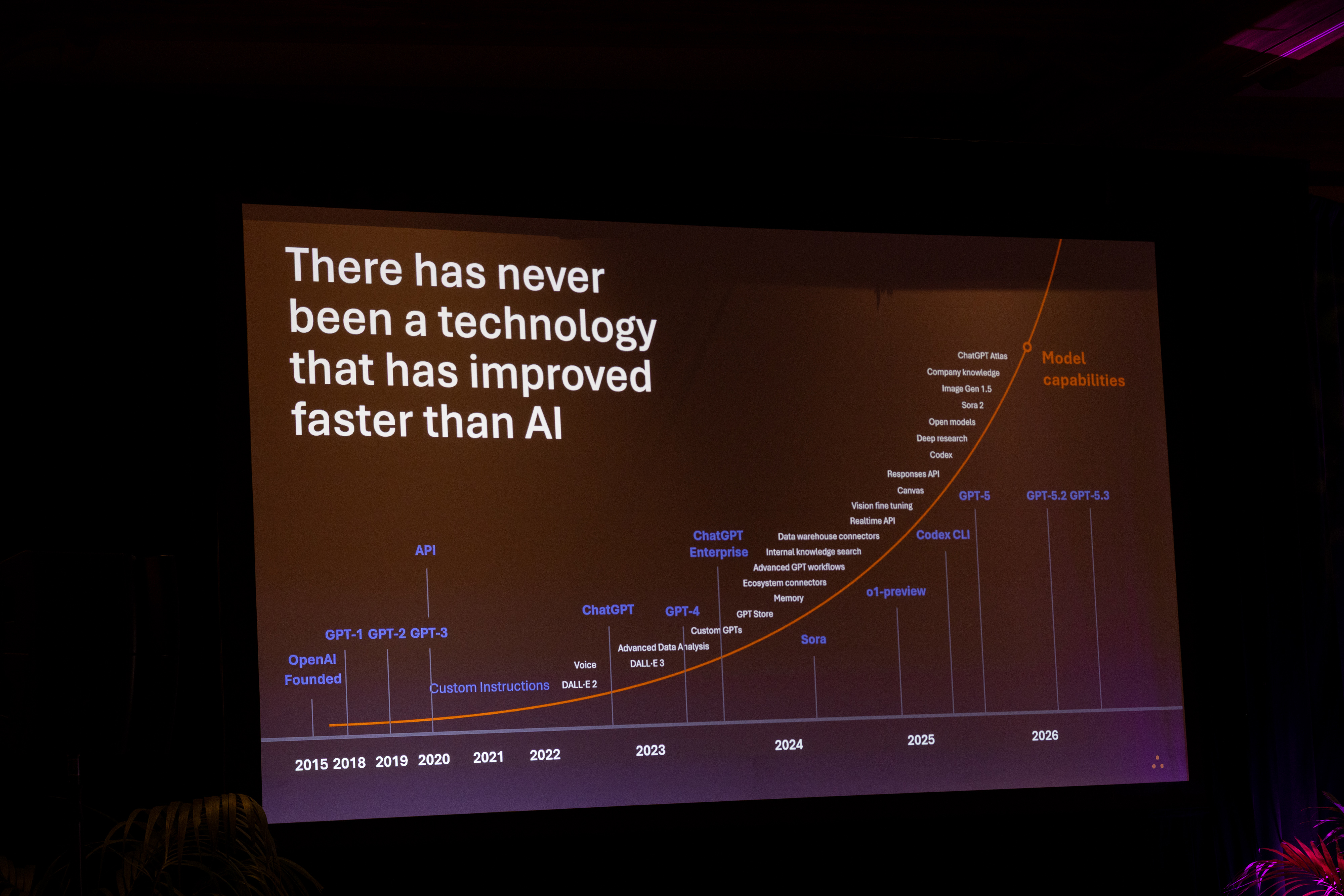
Here is the PowerPoint:
Interested in learning more? Check out the other blogs highlighting sessions from AIM 2026:
.gif)