


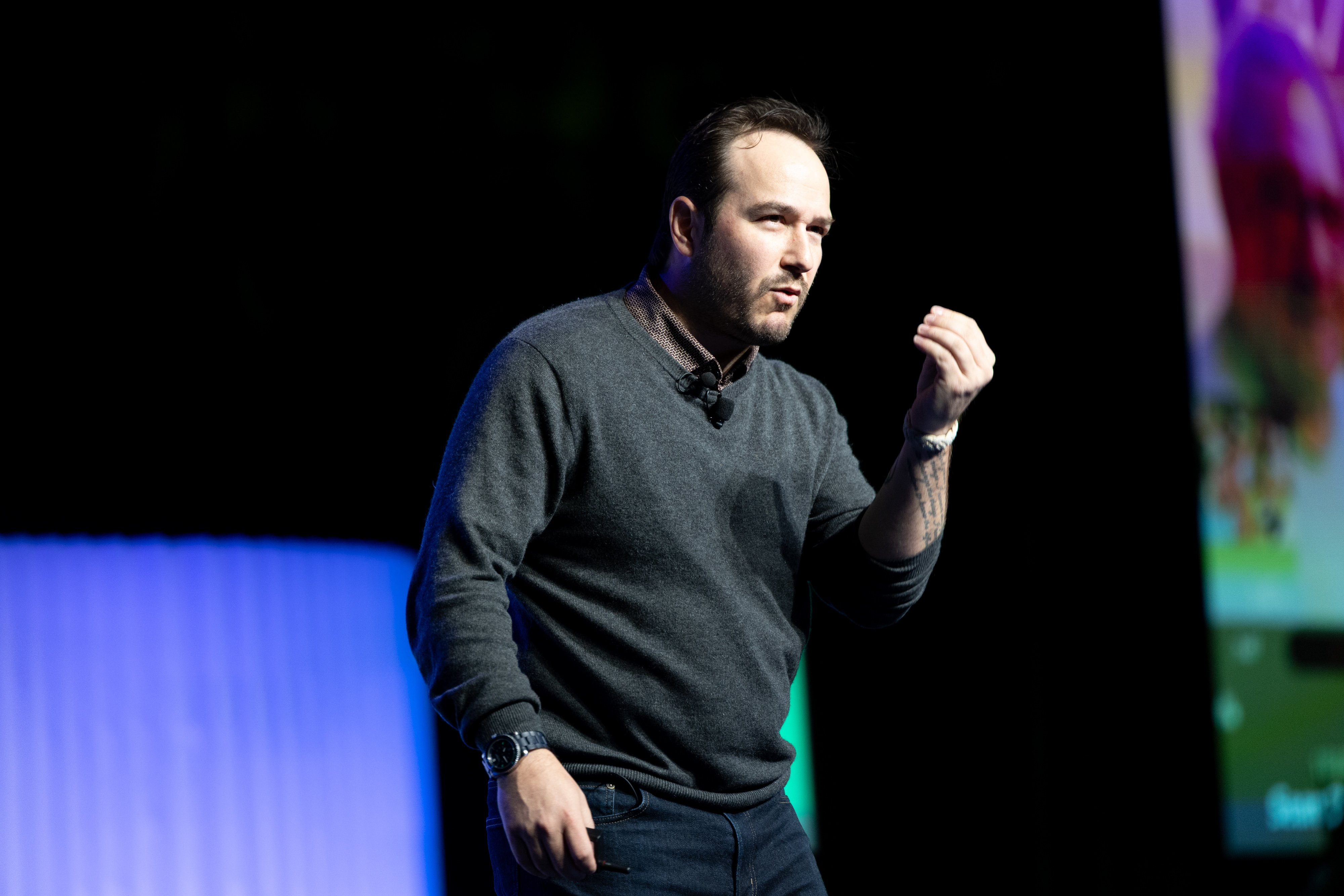
 Cultures of Gratitude: The More We Give, the More We Receive (at Home, Work and with Our Customers)
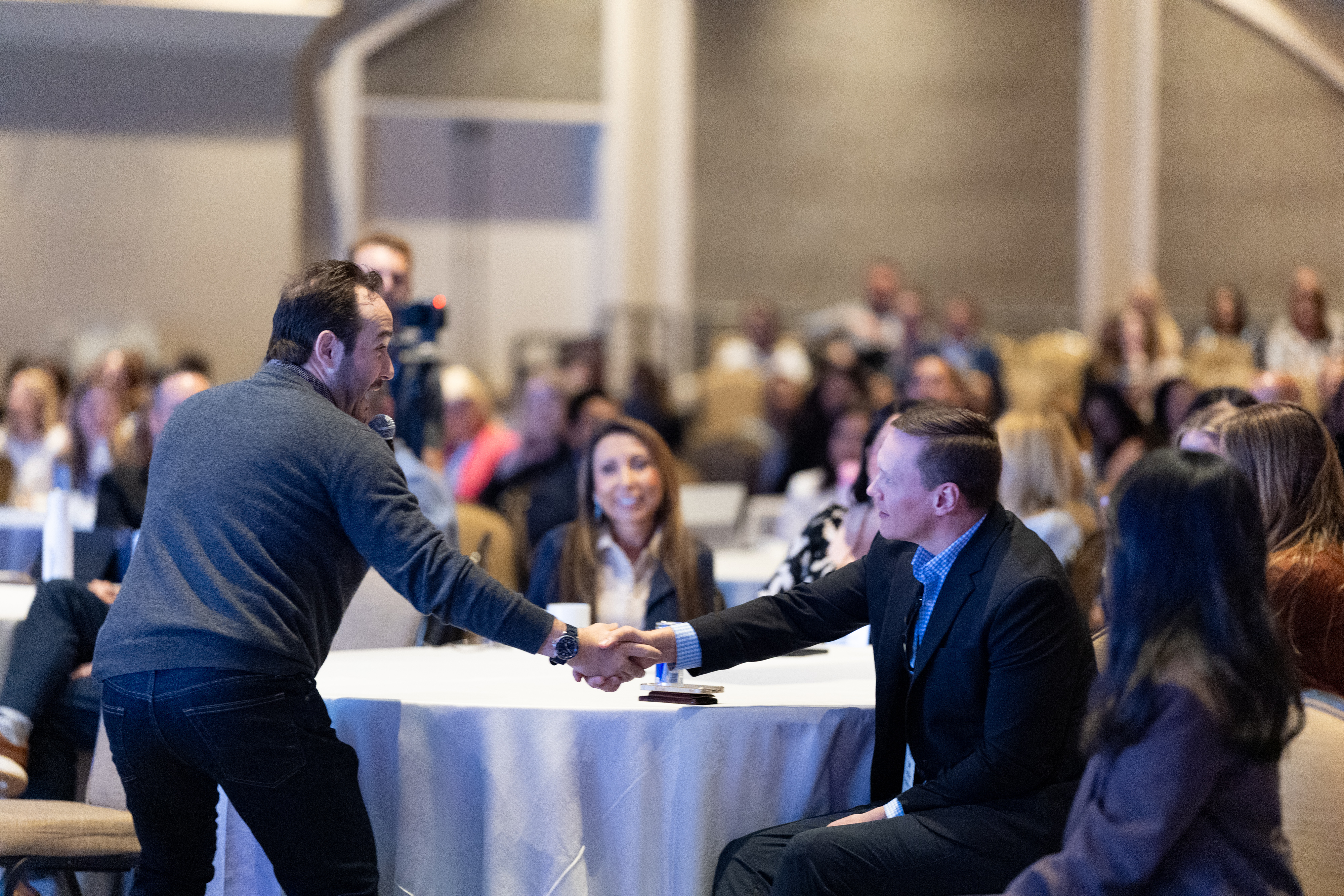
Schembra opened with a simple question: “If you could give credit or thanks to one person in your life that you don't give enough credit or thanks to, who would that be?” He described how that question can shift people from anxiety and overwhelm toward presence, connection, and gratitude—something increasingly important in a world experiencing burnout, loneliness, and rapid technological change.
His message for multifamily was particularly relevant: technology may remove friction and improve NOI, but housing remains fundamentally a human business. As Schembra put it, “The faster we go as operators, the more human we have to become as leaders.”
Schembra traced his work back to a series of dinner parties he began hosting in his 300-square-foot New York apartment. Strangers cooked and ate together before answering the same gratitude question. What began as a personal attempt to reconnect eventually became a framework for intentionally creating human connection.
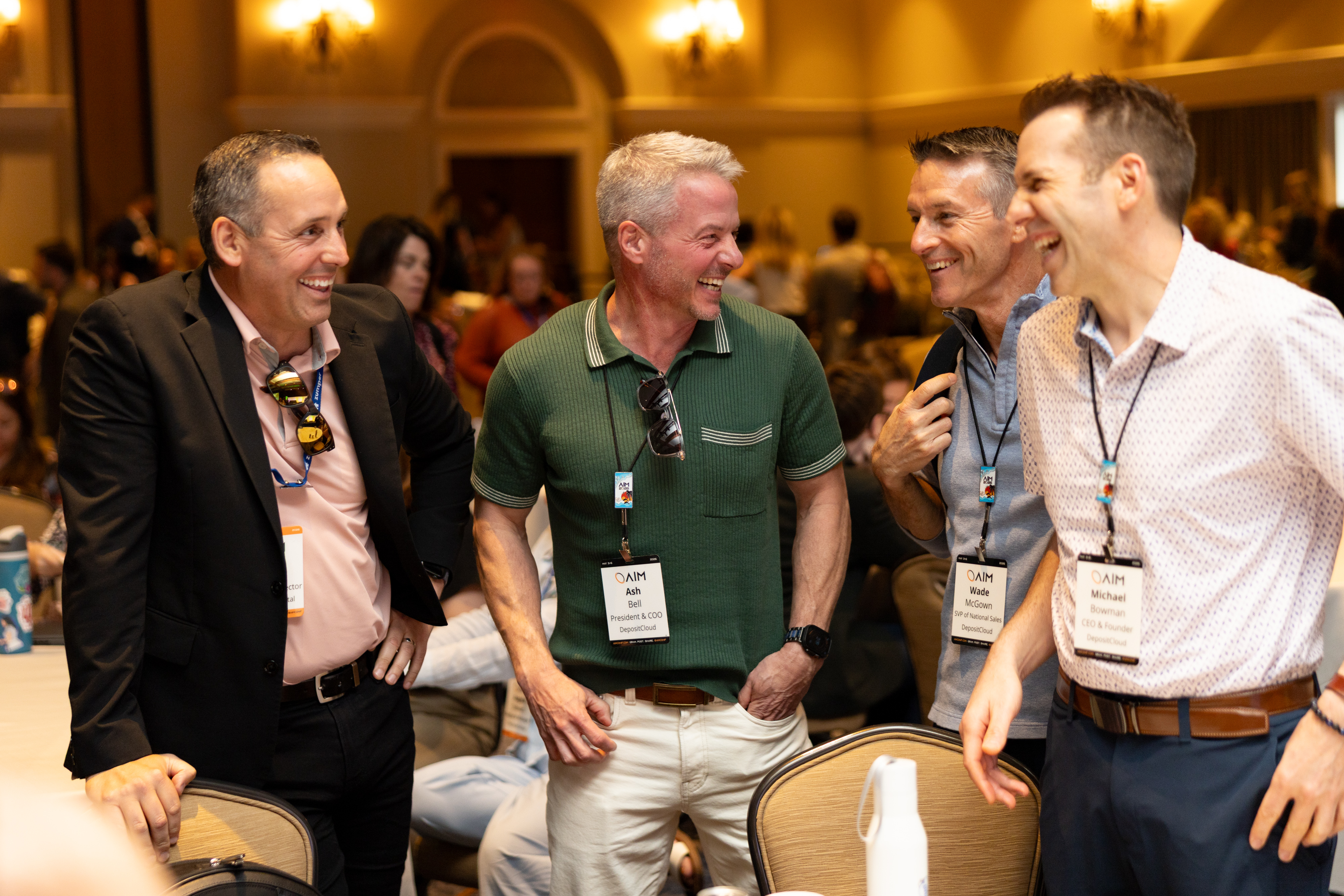
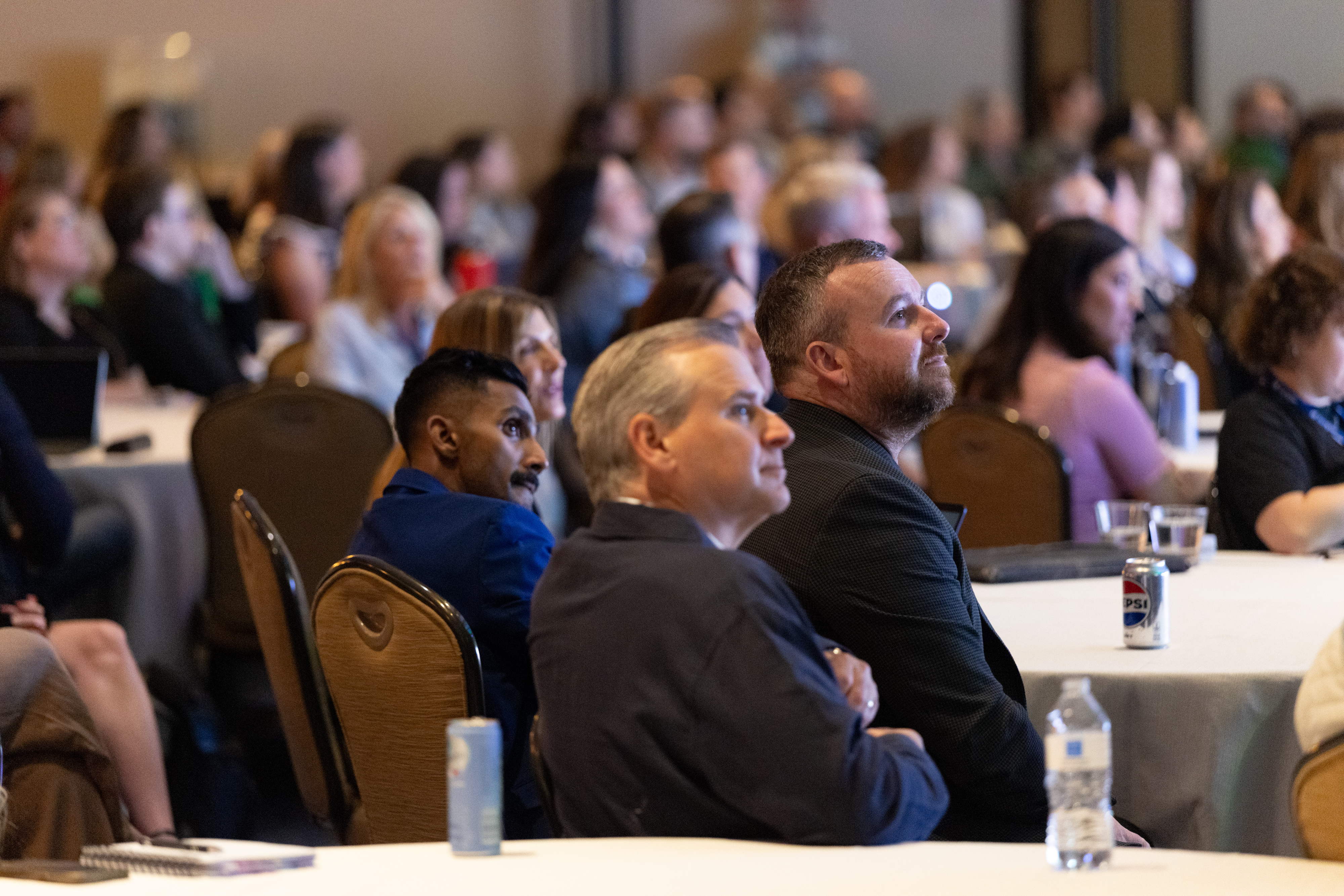
His first principle was presence. Gratitude interrupts our tendency to focus on what's wrong or what needs to happen next and redirects attention toward what is valuable right now. The second was intimacy and connection: gratitude becomes especially powerful when expressed between people and experienced collectively rather than practiced only privately.
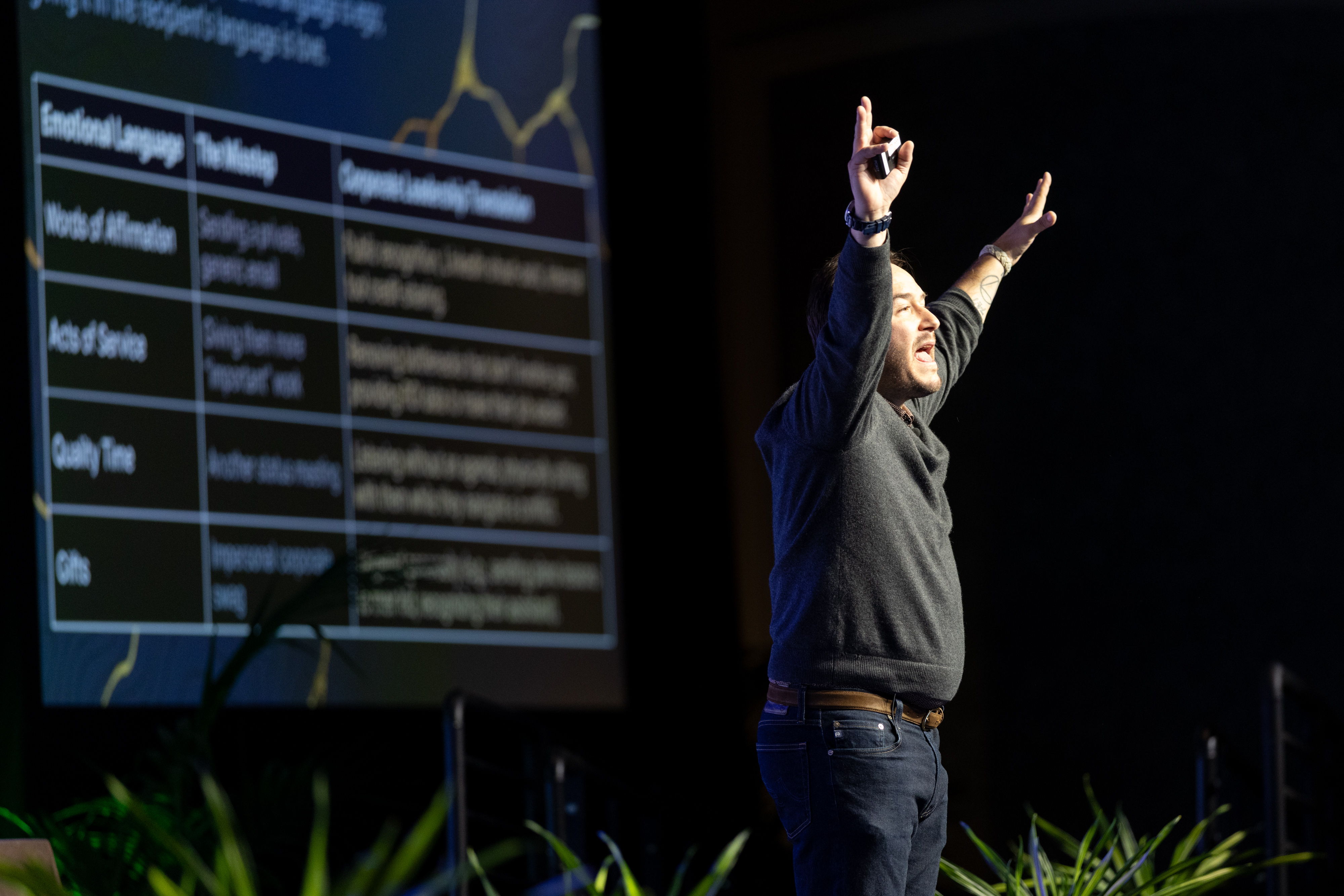
But gratitude must also be personal. Schembra encouraged leaders to thank people in the way the recipient prefers to receive appreciation, rather than using generic, convenient recognition. His philosophy: don't thank 100,000 people at once—thank 100,000 people one person at a time.
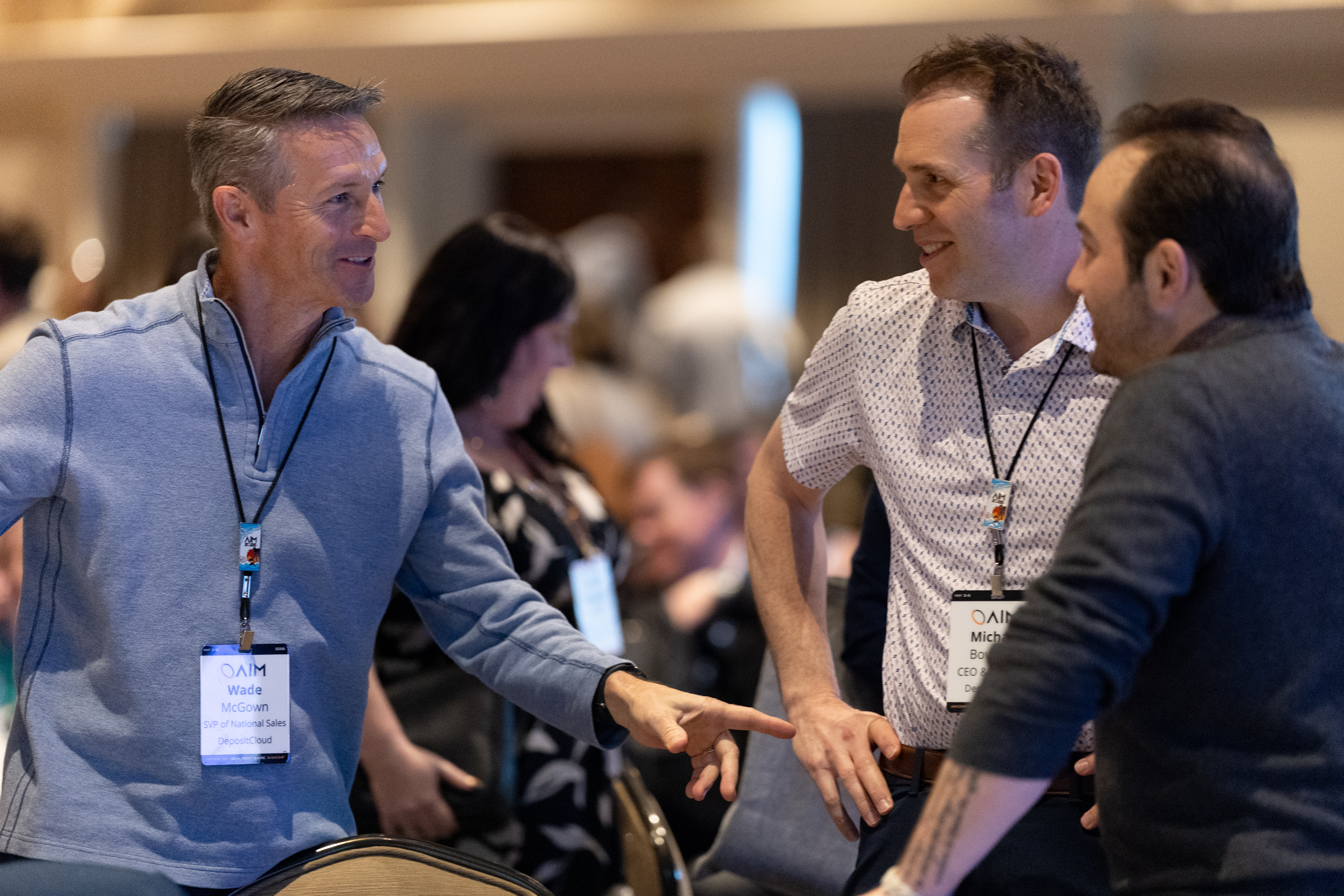
Finally, gratitude isn't reserved for easy moments. It can help people process hardship by asking what within them is helping, who around them is helping, and what wisdom can be carried forward.
Key Takeaways
- The faster technology moves, the more intentional leaders should become about human connection.
- Practice presence. Create simple reminders to stop focusing exclusively on what's next and notice what's valuable now.
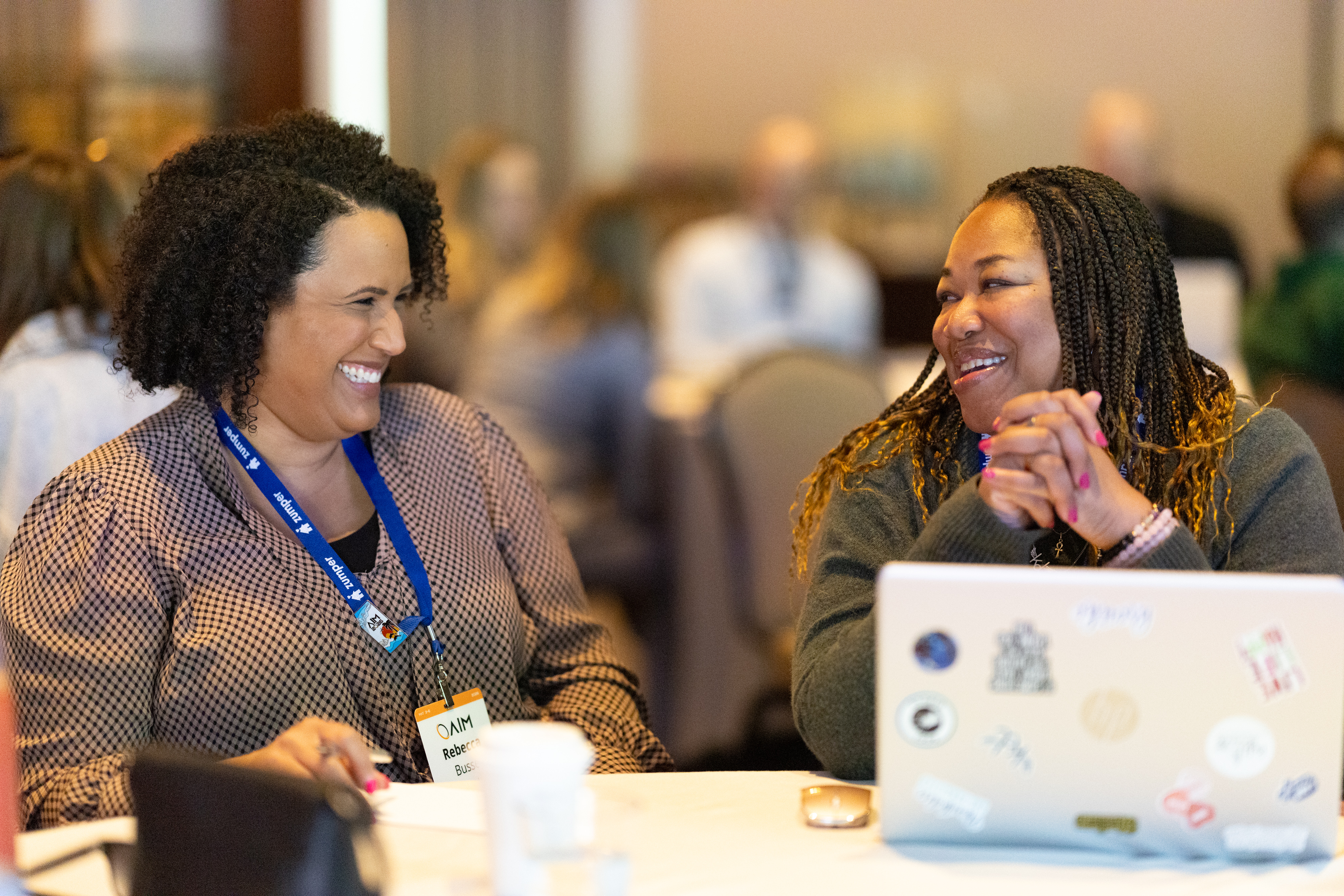
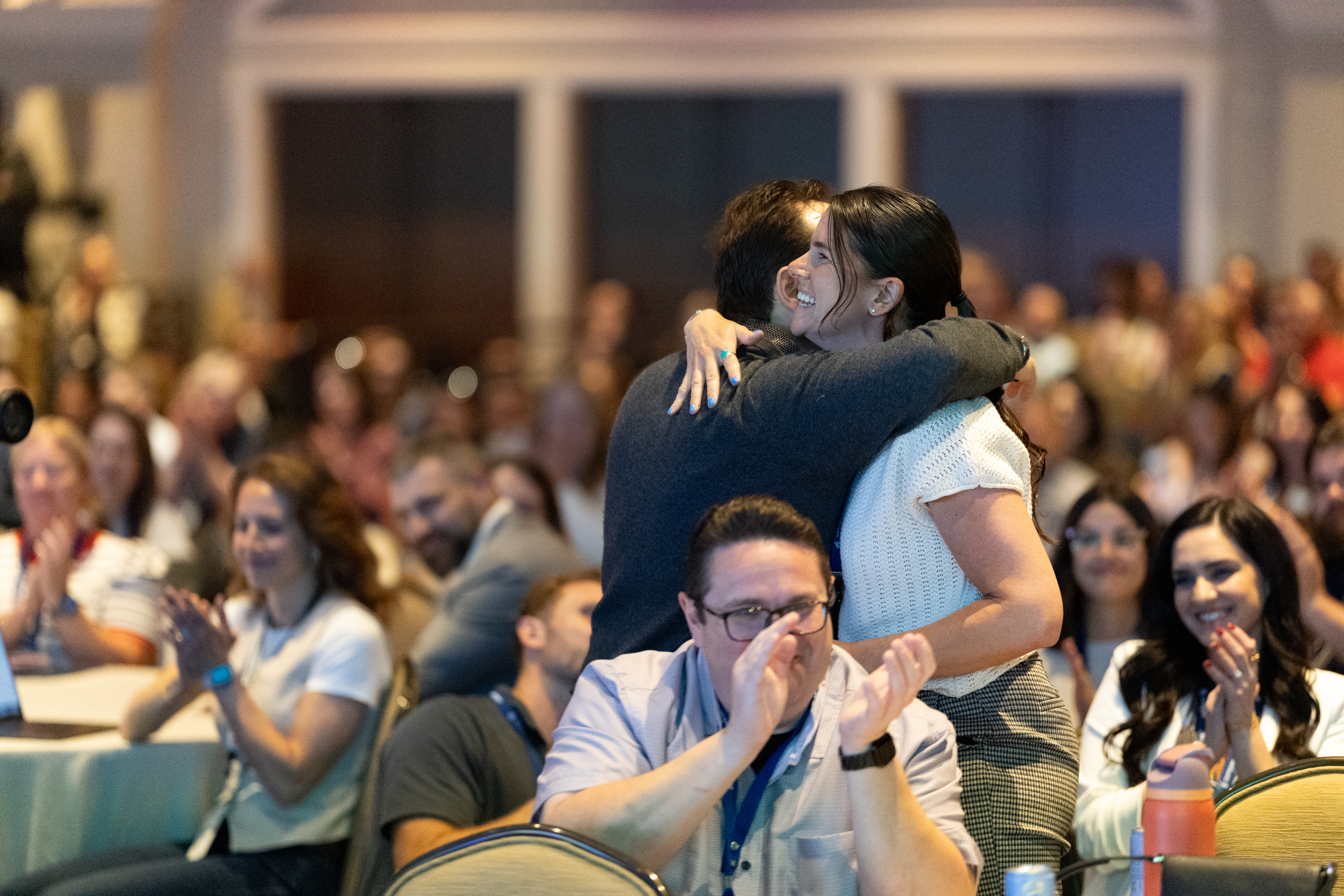
- Gather around gratitude. Peer-to-peer appreciation and shared experiences can create deeper connection than top-down recognition alone.
- Personalize appreciation. Learn how employees, colleagues, and residents actually prefer to receive gratitude.
- Give gratitude when you feel it. Don't wait for formal recognition programs or scheduled moments.
- Create spaces for connection. Dinners, gatherings, resident events, and shared experiences can strengthen belonging in both workplaces and communities.
Interested in learning more? Check out the other blogs highlighting sessions from AIM 2026:
.gif)